
Donna Camerota, LCSW
Connecticut · 24 yrs exp
Works with Stress, Anxiety / Relationship / Grief +12
Works by Client-Centered Therapy / Cognitive Behavioral Therapy (CBT)
View ProfileThe therapist listings are provided by BetterHelp and we will earn a commission if you use our link - at no cost to you.
Welcome to our Connecticut directory of online LCSW therapists. All listed clinicians hold a state LCSW license; you can explore profiles to learn about focus areas, approaches, languages, and experience.
Connecticut · 24 yrs exp
Works with Stress, Anxiety / Relationship / Grief +12
Works by Client-Centered Therapy / Cognitive Behavioral Therapy (CBT)
View Profile
Connecticut · 3 yrs exp
Works with Stress, Anxiety / Relationship / Grief +13
Works by Client-Centered Therapy / Cognitive Behavioral Therapy (CBT)
View Profile
Connecticut · 16 yrs exp
Works with Stress, Anxiety / Addictions / Family +15
Works by Cognitive Behavioral Therapy (CBT) / Dialectical Behavior Therapy (DBT)
View Profile
Connecticut · 11 yrs exp
Works with Stress, Anxiety / Relationship / Family +6
Works by Client-Centered Therapy / Mindfulness Therapy
View Profile
Connecticut · 45 yrs exp
Works with Stress, Anxiety / Career / Depression +12
Works by Client-Centered Therapy / Cognitive Behavioral Therapy (CBT)
View Profile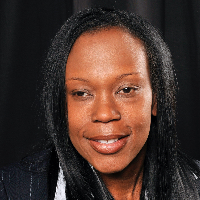
Connecticut · 12 yrs exp
Works with Stress, Anxiety / Addictions / Family +14
Works by Acceptance and Commitment Therapy (ACT) / Client-Centered Therapy
View Profile
Connecticut · 16 yrs exp
Works with Trauma and abuse / Anger / Self esteem +9
Works by Cognitive Behavioral Therapy (CBT) / Dialectical Behavior Therapy (DBT)
View Profile
Connecticut · 9 yrs exp
Works with Stress, Anxiety / Relationship / Trauma and abuse +11
Works by Attachment-Based Therapy / Client-Centered Therapy
View Profile
Connecticut · 26 yrs exp
Works with Stress, Anxiety / Relationship / Trauma and abuse +15
Works by Acceptance and Commitment Therapy (ACT) / Client-Centered Therapy
View Profile
Connecticut · 22 yrs exp
Works with Stress, Anxiety / Trauma and abuse / Grief +6
Works by Client-Centered Therapy / Cognitive Behavioral Therapy (CBT)
View Profile
Connecticut · 25 yrs exp
Works with Relationship / Family / Trauma and abuse +2
Works by Client-Centered Therapy / Cognitive Behavioral Therapy (CBT)
View Profile
Connecticut · 11 yrs exp
Works with Stress, Anxiety / Relationship / Family +13
View Profile
Connecticut · 4 yrs exp
Works with Stress, Anxiety / Addictions / Self esteem +7
View Profile
Connecticut · 33 yrs exp
Works with Stress, Anxiety / Relationship / Trauma and abuse +15
Works by Attachment-Based Therapy / Client-Centered Therapy
View Profile
Connecticut · 19 yrs exp
Works with Stress, Anxiety / Family / Grief +2
Works by Client-Centered Therapy / Cognitive Behavioral Therapy (CBT)
View Profile
Connecticut · 14 yrs exp · 2 languages
Works with Stress, Anxiety / Grief / Anger +2
View Profile
Connecticut · 15 yrs exp
Works with Stress, Anxiety / Relationship / Family +2
View Profile
Connecticut · 3 yrs exp
Works with Stress, Anxiety / Relationship / Family +2
Works by Cognitive Behavioral Therapy (CBT) / Dialectical Behavior Therapy (DBT)
View Profile
Connecticut · 3 yrs exp · 2 languages
Works with Stress, Anxiety / Trauma and abuse / Self esteem +2
View Profile
Connecticut · 27 yrs exp
Works with Stress, Anxiety / Relationship / Depression +1
View Profile
Connecticut · 30 yrs exp
Works with Stress, Anxiety / Self esteem / Career +2
View Profile
Connecticut · 18 yrs exp
Works with Stress, Anxiety / Addictions / Trauma and abuse +2
View Profile
Connecticut · 5 yrs exp
Works with Stress, Anxiety / Relationship / Trauma and abuse +2
View Profile
Connecticut · 4 yrs exp
Works with Stress, Anxiety / Anger / Self esteem +2
View Profile
Connecticut · 4 yrs exp
Works with Trauma and abuse
View Profile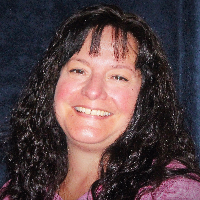
Connecticut · 20 yrs exp
Works with Stress, Anxiety / Trauma and abuse / Grief +9
View Profile
Connecticut · 20 yrs exp
Works with Stress, Anxiety / Addictions / Relationship +12
Works by Client-Centered Therapy / Cognitive Behavioral Therapy (CBT)
View Profile
Connecticut · 22 yrs exp
Works with Stress, Anxiety / Relationship / Self esteem +10
Works by Acceptance and Commitment Therapy (ACT) / Cognitive Behavioral Therapy (CBT)
View Profile
Connecticut · 48 yrs exp
Works with Relationship / Family / Trauma and abuse +15
Works by Client-Centered Therapy / Cognitive Behavioral Therapy (CBT)
View Profile
Connecticut · 10 yrs exp · 2 languages
Works with Family / Trauma and abuse / Self esteem +8
Works by Client-Centered Therapy / Cognitive Behavioral Therapy (CBT)
View Profile
Connecticut · 10 yrs exp
Works with Stress, Anxiety / Addictions / Relationship +15
Works by Attachment-Based Therapy / Cognitive Behavioral Therapy (CBT)
View Profile
Connecticut · 25 yrs exp
Works with LGBT / Grief / Coping with life changes +6
Works by Somatic Therapy / Client-Centered Therapy
View Profile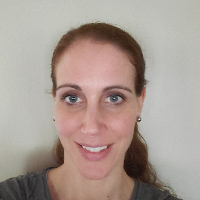
Connecticut · 18 yrs exp
Works with Addictions / Family / Trauma and abuse +12
View Profile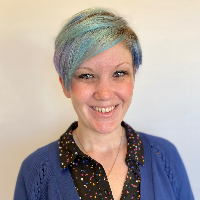
Connecticut · 3 yrs exp
Works with Stress, Anxiety / LGBT / Trauma and abuse +13
Works by Client-Centered Therapy / Cognitive Behavioral Therapy (CBT)
View Profile
Connecticut · 17 yrs exp
Works with Stress, Anxiety / Family / Trauma and abuse +14
Works by Client-Centered Therapy / Cognitive Behavioral Therapy (CBT)
View Profile
Connecticut · 20 yrs exp
Works with Addictions / LGBT / Self esteem +10
Works by Client-Centered Therapy / Cognitive Behavioral Therapy (CBT)
View Profile
Connecticut · 28 yrs exp
Works with Stress, Anxiety / Relationship / Trauma and abuse +7
Works by Client-Centered Therapy / Mindfulness Therapy
View Profile
Connecticut · 16 yrs exp
Works with Addictions / Relationship / Intimacy-related issues +1
Works by Client-Centered Therapy / Cognitive Behavioral Therapy (CBT)
View Profile
Connecticut · 24 yrs exp
Works with Stress, Anxiety / Relationship / Family +11
Works by Acceptance and Commitment Therapy (ACT) / Attachment-Based Therapy
View Profile
Connecticut · 11 yrs exp
Works with Stress, Anxiety / Addictions / Trauma and abuse +5
Works by Cognitive Behavioral Therapy (CBT) / Solution-Focused Therapy
View Profile
Connecticut · 8 yrs exp
Works with Stress, Anxiety / Relationship / Family +11
Works by Attachment-Based Therapy / Client-Centered Therapy
View Profile
Connecticut · 15 yrs exp
Works with Trauma and abuse / Grief / Anger +2
View Profile
Connecticut · 40 yrs exp · 2 languages
Works with Relationship / Trauma and abuse / Self esteem +7
View Profile
Connecticut · 10 yrs exp
Works with Stress, Anxiety / Family / Trauma and abuse +13
Works by Acceptance and Commitment Therapy (ACT) / Client-Centered Therapy
View Profile
Connecticut · 38 yrs exp
Works with Stress, Anxiety / Trauma and abuse / Parenting +13
Works by Cognitive Behavioral Therapy (CBT) / Mindfulness Therapy
View Profile
Connecticut · 21 yrs exp
Works with Stress, Anxiety / Parenting / Anger +11
View Profile
Connecticut · 31 yrs exp
Works with Stress, Anxiety / Relationship / Trauma and abuse +15
Works by Attachment-Based Therapy / Client-Centered Therapy
View Profile
Connecticut · 15 yrs exp
Works with Stress, Anxiety / Relationship / Family +10
Works by Cognitive Behavioral Therapy (CBT) / Emotionally-Focused Therapy (EFT)
View ProfileIf you are looking for a licensed clinical social worker who offers care over video or phone in Connecticut, you will find practitioners who list online services among their ways of working. An LCSW is a licensed clinical social worker who has completed a master's degree in social work, finished a period of supervised postgraduate clinical experience, and passed a clinical licensing examination. Those credentials indicate that a clinician has met Connecticut's licensing requirements for independent clinical practice. The listing profiles on this site show the credentials and practice details each clinician reports. When you read profiles, you will see information about the issues a clinician focuses on, languages they speak, their stated approaches, and the types of settings they mention, such as telehealth or in-person practice. Because social work emphasizes a person-in-environment perspective, many LCSWs integrate attention to housing, employment, family, and community resources when they work with you, alongside attention to thoughts, feelings, and relationships.
Regulatory details can change over time, so if you need clarification about licensure rules that apply to online care across state lines, you should follow the steps for license verification described below. For routine browsing, profile information will help you form an initial sense of which LCSWs align with the concerns and background that matter to you.
Online sessions with a licensed LCSW can make access to care more flexible. You can participate from a familiar location in Connecticut, which may reduce travel time and make it easier to fit sessions into your week. For people with caregiving responsibilities, mobility limits, or work schedules that make evening or midday appointments necessary, online options can broaden the pool of clinicians you can consider. Many LCSWs who offer online work also use that format to coordinate with community resources, helping you connect with local services for housing, benefits, school supports, or healthcare as part of a broader plan.
Another potential benefit is the ability to find an LCSW whose spoken language, cultural background, or clinical focus aligns with your needs even if that clinician is not in your immediate neighborhood. Because social workers are trained to look beyond symptoms to the social and environmental forces shaping a person's life, online work can allow you to address practical barriers while still receiving clinical attention to mood, stress, relationships, or transitions. When you prepare for online sessions, choose a quiet, comfortable environment where you can speak openly and limit interruptions. Also consider the technology you will use and ask about any platform or privacy protections when you reach out to a clinician.
LCSWs in Connecticut report working with a wide range of concerns that lend themselves to online care. You can expect clinicians to list experience with mood conditions such as depression and anxiety, relationship difficulties including couples and family stress, grief and loss, life transitions like moving or career change, and parenting or caregiving challenges. LCSWs also often address trauma-related symptoms, stress from chronic illness, and the social stressors that affect wellbeing, including housing instability or financial strain, by helping you identify resources and coping strategies.
Because LCSWs use a person-in-environment lens, they frequently integrate attention to community and systemic factors into clinical work. That means you can expect conversations that include not only internal coping and therapy goals but also practical planning for stability, access to local supports, advocacy needs, or communication with schools and agencies when appropriate. If you see approaches listed in profiles, remember that listings reflect what a clinician notes about their practice; phrase your questions to learn how they apply those approaches to concerns like yours.
Verifying that a clinician holds a Connecticut LCSW license is an important step as you research options online. You can start by locating the license information shown in a therapist's profile and noting the license number and the name exactly as it appears. Use Connecticut's official license lookup or the state's board pages for social work to search by name or number. That public record will usually show whether the license is active, the expiration date, and any disciplinary history that has been recorded. If you find unclear or missing information in a profile, use the state's lookup tool as your primary source for license status.
When reviewing license records, pay attention to the scope stated on the board entry and to any notes about pending actions or restrictions. Licensing standards vary across states, so the Connecticut license entry is the authoritative record for practice in Connecticut. If you have questions about what a license entry means, you can contact Connecticut's licensing board directly for guidance. Keeping a copy or screenshot of the license entry for your records can also be helpful if you later want to reference the confirmation.
Start your search by reading profiles to understand each LCSW's focus areas, years of clinical experience, languages, and the approaches they list. Look for clinicians who describe work with issues like the ones you are facing and who mention population groups or life stages that fit your situation. Because the data on profiles does not certify specific training in an approach, phrase any questions you have about methods to learn how a clinician applies them in practice. You may also want to note whether a clinician highlights experience coordinating with community resources, schools, or medical providers if that integration matters to you.
Before your first session, prepare a few practical items. Decide on a device and a quiet location where you can speak freely. Think about what goals you want to address and any recent history that helps a clinician understand your current situation. Consider how you will pay for services, whether through insurance or out-of-pocket payment, and ask about fee policies and billing practices when you reach out. Also ask about session length and how the clinician typically structures online work so you have clear expectations.
When choosing among profiles, prioritize fit over a single credential detail. The relationship you develop with an LCSW matters a great deal in how helpful the work will be. If a clinician lists languages, cultural competencies, or experience with particular communities that resonate with you, that can be a useful indicator of fit. Finally, trust your sense of whether a clinician's stated approach and perspective align with your needs. You can always look through several profiles and take time to find a licensed LCSW whose background and way of working feel like a good match for your goals.
Addictions
2936 therapists
ADHD
2418 therapists
Anger
3557 therapists
Bipolar
2461 therapists
Chronic Illness
1598 therapists
Chronic Pain
1598 therapists
Compulsion
1233 therapists
Control Issues
2707 therapists
Depression
6520 therapists
Disaster Relief Therapy
1305 therapists
Dissociation
721 therapists
Domestic Violence
1680 therapists
Eating Disorders
1022 therapists
Gambling
791 therapists
Grief
4584 therapists
Guilt and Shame
4562 therapists
Impulsivity
2173 therapists
Intimacy Issues
2385 therapists
Isolation / Loneliness
4432 therapists
Midlife Crisis
2242 therapists
Mood Disorders
3337 therapists
Obsession
1233 therapists
OCD
1233 therapists
Panic Disorder and Panic Attacks
2828 therapists
Phobias
837 therapists
Post-Traumatic Stress
3703 therapists
Postpartum Depression
1588 therapists
Seasonal Affective Disorder (SAD)
1891 therapists
Self Esteem
6266 therapists
Self-Harm
1411 therapists
Sexual Trauma
1441 therapists
Sleeping Disorders
1296 therapists
Social Anxiety and Phobia
3959 therapists
Stress & Anxiety
7344 therapists
Trauma and Abuse
5115 therapists
Abandonment
2512 therapists
Adoption
1323 therapists
Aging and Geriatric Issues
2068 therapists
Attachment Issues
2817 therapists
Blended Family Issues
1929 therapists
Body Image
1932 therapists
Career
3196 therapists
Caregiver Issues and Stress
3641 therapists
Codependency
2354 therapists
Commitment Issues
1769 therapists
Communication Problems
5232 therapists
Compassion Fatigue
2989 therapists
Coping with Life Changes
5723 therapists
Divorce
3004 therapists
Family
4349 therapists
Family of Origin Issues
1933 therapists
Fatherhood Issues
1024 therapists
Fertility Issues
662 therapists
First Responder Issues
1280 therapists
Forgiveness
4087 therapists
Foster Care
1323 therapists
Hospice and End-of-Life Counseling
1644 therapists
Infidelity
1633 therapists
Jealousy
1503 therapists
Life Purpose
4651 therapists
Money and Financial Issues
1558 therapists
Parenting
3476 therapists
Pregnancy
1360 therapists
Relationship
5303 therapists
Self-Love
4911 therapists
Separation
3004 therapists
Sexuality
1368 therapists
Workplace Issues
3111 therapists