
Deborah Youngblood, LCSW
Louisiana · 15 yrs exp
Works with Stress, Anxiety / Relationship / Family +13
Works by Acceptance and Commitment Therapy (ACT) / Attachment-Based Therapy
View ProfileThe therapist listings are provided by BetterHelp and we will earn a commission if you use our link - at no cost to you.
This directory lists licensed clinical social workers (LCSWs) who focus on isolation and loneliness. Browse the therapist profiles below to compare focus areas, approaches, credentials, languages, and experience.
Louisiana · 15 yrs exp
Works with Stress, Anxiety / Relationship / Family +13
Works by Acceptance and Commitment Therapy (ACT) / Attachment-Based Therapy
View Profile
Colorado · 19 yrs exp · 2 languages
Works with Stress, Anxiety / Relationship / Trauma and abuse +13
Works by Somatic Therapy / Acceptance and Commitment Therapy (ACT)
View Profile
Texas · 13 yrs exp
Works with Stress, Anxiety / Relationship / Trauma and abuse +12
Works by Attachment-Based Therapy / Client-Centered Therapy
View Profile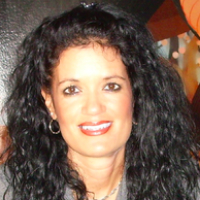
North Carolina · 21 yrs exp
Works with Stress, Anxiety / Grief / Eating +13
Works by Acceptance and Commitment Therapy (ACT) / Client-Centered Therapy
View Profile
New Jersey · 15 yrs exp
Works with Stress, Anxiety / Family / Trauma and abuse +11
Works by Cognitive Behavioral Therapy (CBT) / Psychodynamic Therapy
View Profile
New York · 24 yrs exp
Works with Stress, Anxiety / Relationship / Anger +13
Works by Client-Centered Therapy / Cognitive Behavioral Therapy (CBT)
View Profile
Oregon · 26 yrs exp
Works with Stress, Anxiety / Trauma and abuse / Grief +11
Works by Somatic Therapy / Acceptance and Commitment Therapy (ACT)
View Profile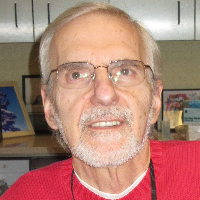
Illinois · 30 yrs exp
Works with Trauma and abuse / Grief / Self esteem +15
Works by Client-Centered Therapy / Cognitive Behavioral Therapy (CBT)
View Profile
New York · 25 yrs exp · 2 languages
Works with Stress, Anxiety / Addictions / Trauma and abuse +12
Works by Client-Centered Therapy / Cognitive Behavioral Therapy (CBT)
View Profile
Missouri · 16 yrs exp
Works with Stress, Anxiety / Trauma and abuse / Self esteem +13
Works by Client-Centered Therapy / Cognitive Behavioral Therapy (CBT)
View Profile
North Carolina · 10 yrs exp
Works with Stress, Anxiety / Relationship / Family +17
Works by Acceptance and Commitment Therapy (ACT) / Client-Centered Therapy
View Profile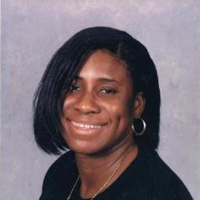
New York · 35 yrs exp
Works with Stress, Anxiety / Self esteem / Career +11
Works by Client-Centered Therapy / Mindfulness Therapy
View Profile
Kentucky · 10 yrs exp
Works with Stress, Anxiety / Family / Self esteem +13
Works by Acceptance and Commitment Therapy (ACT) / Client-Centered Therapy
View Profile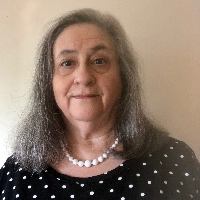
Mississippi · 23 yrs exp
Works with Stress, Anxiety / Grief / Anger +9
Works by Cognitive Behavioral Therapy (CBT) / Mindfulness Therapy
View Profile
Florida · 10 yrs exp
Works with Stress, Anxiety / Addictions / Family +9
Works by Client-Centered Therapy / Cognitive Behavioral Therapy (CBT)
View Profile
Texas · 21 yrs exp
Works with Stress, Anxiety / Relationship / Trauma and abuse +16
Works by Acceptance and Commitment Therapy (ACT) / Client-Centered Therapy
View Profile
Illinois · 12 yrs exp
Works with Stress, Anxiety / Trauma and abuse / Parenting +13
Works by Client-Centered Therapy / Cognitive Behavioral Therapy (CBT)
View Profile
Delaware · 8 yrs exp
Works with Relationship / Family / Trauma and abuse +12
View Profile
Florida · 22 yrs exp
Works with Stress, Anxiety / Self esteem / Depression +6
Works by Acceptance and Commitment Therapy (ACT) / Client-Centered Therapy
View Profile
Illinois · 25 yrs exp
Works with Stress, Anxiety / Self esteem / Career +11
Works by Client-Centered Therapy / Cognitive Behavioral Therapy (CBT)
View Profile
Louisiana · 14 yrs exp
Works with Stress, Anxiety / Anger / Self esteem +10
View Profile
Mississippi · 12 yrs exp
Works with Stress, Anxiety / Addictions / Anger +13
Works by Client-Centered Therapy / Cognitive Behavioral Therapy (CBT)
View Profile
Tennessee · 35 yrs exp
Works with Stress, Anxiety / Grief / Self esteem +9
Works by Acceptance and Commitment Therapy (ACT) / Client-Centered Therapy
View Profile
Virginia · 31 yrs exp
Works with Stress, Anxiety / Relationship / Family +13
Works by Attachment-Based Therapy / Client-Centered Therapy
View Profile
North Carolina · 30 yrs exp
Works with LGBT / Relationship / Family +14
Works by Acceptance and Commitment Therapy (ACT) / Attachment-Based Therapy
View Profile
Georgia · 25 yrs exp
Works with Stress, Anxiety / Parenting / Anger +16
Works by Attachment-Based Therapy / Client-Centered Therapy
View Profile
Florida · 14 yrs exp
Works with Stress, Anxiety / Trauma and abuse / Grief +14
Works by Cognitive Behavioral Therapy (CBT) / Dialectical Behavior Therapy (DBT)
View Profile
Texas · 20 yrs exp
Works with Stress, Anxiety / Addictions / Family +16
Works by Client-Centered Therapy / Cognitive Behavioral Therapy (CBT)
View Profile
Florida · 25 yrs exp
Works with Stress, Anxiety / Trauma and abuse / Parenting +15
Works by Client-Centered Therapy / Cognitive Behavioral Therapy (CBT)
View Profile
Pennsylvania · 25 yrs exp
Works with Stress, Anxiety / Family / Grief +2
Works by Client-Centered Therapy / Cognitive Behavioral Therapy (CBT)
View Profile
Illinois · 20 yrs exp
Works with Stress, Anxiety / Grief / Self esteem +12
Works by Client-Centered Therapy / Cognitive Behavioral Therapy (CBT)
View Profile
Michigan · 24 yrs exp
Works with Stress, Anxiety / Addictions / Relationship +2
Works by Client-Centered Therapy / Cognitive Behavioral Therapy (CBT)
View Profile
Delaware · 28 yrs exp · 2 languages
Works with Stress, Anxiety / Family / Self esteem +12
Works by Acceptance and Commitment Therapy (ACT) / Client-Centered Therapy
View Profile
Alaska · 11 yrs exp
Works with Stress, Anxiety / Relationship / Family +10
Works by Client-Centered Therapy / Cognitive Behavioral Therapy (CBT)
View Profile
Arkansas · 44 yrs exp
Works with Stress, Anxiety / Trauma and abuse / Grief +17
Works by Acceptance and Commitment Therapy (ACT) / Client-Centered Therapy
View Profile
Missouri · 35 yrs exp
Works with Stress, Anxiety / Trauma and abuse / Anger +14
Works by Acceptance and Commitment Therapy (ACT) / Client-Centered Therapy
View Profile
North Carolina · 16 yrs exp
Works with Stress, Anxiety / Addictions / Trauma and abuse +14
Works by Acceptance and Commitment Therapy (ACT) / Client-Centered Therapy
View Profile
New Mexico · 20 yrs exp
Works with Stress, Anxiety / Self esteem / Bipolar +9
Works by Acceptance and Commitment Therapy (ACT) / Client-Centered Therapy
View Profile
Texas · 5 yrs exp
Works with Stress, Anxiety / Relationship / Family +10
View Profile
Mississippi · 36 yrs exp
Works with Family / Parenting / Anger +12
Works by Acceptance and Commitment Therapy (ACT) / Attachment-Based Therapy
View Profile
Florida · 28 yrs exp · 3 languages
Works with Stress, Anxiety / Addictions / Trauma and abuse +14
Works by Acceptance and Commitment Therapy (ACT) / Attachment-Based Therapy
View Profile
Florida · 20 yrs exp
Works with Stress, Anxiety / Trauma and abuse / Grief +13
Works by Client-Centered Therapy / Cognitive Behavioral Therapy (CBT)
View Profile
New York · 14 yrs exp
Works with Stress, Anxiety / Relationship / Trauma and abuse +6
Works by Acceptance and Commitment Therapy (ACT) / Client-Centered Therapy
View Profile
Missouri · 25 yrs exp
Works with Stress, Anxiety / Addictions / Parenting +13
Works by Client-Centered Therapy / Cognitive Behavioral Therapy (CBT)
View Profile
California · 7 yrs exp
Works with Stress, Anxiety / LGBT / Trauma and abuse +2
View Profile
Colorado · 15 yrs exp
Works with Stress, Anxiety / Grief / Depression +11
Works by Acceptance and Commitment Therapy (ACT) / Client-Centered Therapy
View Profile
Wyoming · 14 yrs exp
Works with Addictions / Relationship / Depression +12
Works by Client-Centered Therapy / Cognitive Behavioral Therapy (CBT)
View Profile
Texas · 6 yrs exp
Works with Addictions / Trauma and abuse / Parenting +7
Works by Acceptance and Commitment Therapy (ACT) / Client-Centered Therapy
View ProfileLoneliness and isolation are related but distinct experiences that many people encounter at different times. Loneliness is the subjective feeling of being disconnected or not understood, even when other people are present. Isolation usually refers to an objective reduction in social contact - for example when relationships have changed, work or caregiving responsibilities limit social time, or life transitions move you away from familiar supports. Both can influence mood, motivation, and daily functioning, and the same person can move between feeling lonely and being isolated.
When you are dealing with these issues, day-to-day life may start to feel narrower. You may notice struggling to make plans, losing interest in activities you used to enjoy, or avoiding social situations because they feel overwhelming. For many people the emotional experience is accompanied by practical stressors - strained family dynamics, changes at work, unstable housing, or limited access to community resources. An LCSW brings training that explicitly considers those life circumstances alongside your inner experience, so the social and material factors that shape loneliness and isolation are part of the work.
If you are unsure whether professional support would help, several patterns commonly prompt people to seek help. You may feel chronically sad or anxious about relationships, notice growing avoidance of social contact, or find that isolation is interfering with work, caregiving, or self-care. Repeated cycles of short-lived connections, difficulty trusting others, or a sense that social opportunities slip by without being taken can also be indicators. Practical consequences like trouble sleeping, changes in appetite, or difficulty concentrating are additional signs that the situation is affecting multiple areas of life.
Because LCSWs are trained in a person-in-environment perspective, they often focus on how external circumstances - such as transportation, income, caregiving responsibilities, and neighborhood supports - interact with your feelings. If logistical barriers or social conditions contribute to your sense of disconnection, an LCSW can help you identify those barriers and work on realistic steps that fit your circumstances. This credential means the clinician has completed a masters degree in social work, a period of state-required supervised post-graduate clinical experience, and a clinical licensing examination administered by a state board, so scope of practice and title may vary by state.
When you meet with an LCSW about isolation or loneliness, early sessions typically focus on understanding your experience and the context that shapes it. You can expect an initial conversation about your history of relationships, current social routines, daily responsibilities, and any recent changes that contributed to feeling disconnected. The clinician will likely explore both emotional patterns - such as avoidance, self-criticism, or fear of rejection - and practical constraints - such as caregiving duties, work schedules, or community access - that influence your social life.
Over time sessions often include a blend of emotional work and practical problem solving. You might spend time processing painful feelings about past relationships while also developing manageable steps to expand social contact in ways that suit your life. This might mean rehearsing conversations, experimenting with small shifts in routine, or planning ways to engage with community resources. The pace is collaborative, and an LCSW’s focus on the broader environment means interventions are grounded in realistic changes rather than idealized expectations.
There is no single method that fits everyone, and LCSWs use a range of approaches depending on client needs and the clinician’s orientation. You will find therapists who list cognitive behavioral strategies among their approaches, which focus on identifying and changing thoughts and behaviors that maintain withdrawal. Others list interpersonal approaches that explore patterns in relationships and work on building skills for connection. Some LCSWs describe using psychodynamic ideas to trace how early attachment experiences shape current expectations of others, while others list narrative or strength-based approaches that help reframe your story in ways that open new possibilities.
Group modalities are also often relevant to loneliness because they create opportunities for social learning in a guided setting. If a clinician lists group work among their approaches, that indicates they may facilitate or recommend groups where you can practice connection with peers under professional guidance. Mindfulness and behavioral activation techniques are frequently listed as well, and they can help with emotion regulation and re-engagement in meaningful activities. When reviewing profiles, look for clinicians who list approaches that resonate with you, remembering that the directory records what a therapist lists rather than certifying training in each method.
Online sessions can be particularly useful when physical distance, mobility challenges, or scheduling constraints contribute to isolation. Working remotely lets you connect with an LCSW from home or another familiar setting, which can reduce the initial barriers to seeking support. If social anxiety or transportation are part of the problem, starting with remote sessions may feel more manageable and still allow you to build skills and make changes that transfer to in-person interactions.
Online work differs from in-person work in practical ways - technology, session setup, and how nonverbal cues are shared. Good online practice includes clarity about session boundaries, a comfortable environment where you can speak openly, and attention to privacy in your own space. An LCSW can help you problem-solve around logistics such as when and where to have sessions so they fit your life. If community resources, groups, or in-person services are relevant, an LCSW can also help map options in your area and support steps toward local engagement when you are ready.
When selecting an LCSW, focus on fit rather than a single label. Look for clinicians who explicitly list isolation, loneliness, social anxiety, or relationship concerns among their focus areas. Pay attention to the approaches they list and whether those descriptions align with how you want to work - whether that means skill-building, exploring relationship patterns, or addressing practical life barriers. Languages spoken and experience with particular populations - such as older adults, new parents, caregivers, or people in remote communities - can be important, so consider those elements when reviewing profiles.
Licensing details matter in that an LCSW indicates a specific clinical credential: completion of a masters in social work, a state-set period of supervised clinical experience, and a passing score on a clinical exam. Because licensing and scope vary by state, consider matching with someone who practices in the state where you live if local resources or referrals might be needed. Think about the kind of working relationship you prefer - directive versus exploratory, short-term versus longer-term - and search for clinicians who describe similar emphases in their profiles. Finally, use initial contact to assess fit: how the clinician describes their approach, their attention to your practical constraints, and their emphasis on the person-in-environment perspective can tell you whether the match feels right for addressing isolation and loneliness.
Feeling isolated is common, but it does not have to be a permanent state. An LCSW’s training in the interaction between personal experience and social circumstances can make them a good choice when loneliness is tied to life context as well as emotions. Reviewing profiles for focus areas, approaches, credentials, languages, and experience will help you identify clinicians whose work aligns with your needs. Whether you begin with online sessions or explore local supports, the goal is to find a professional relationship that supports both emotional processing and realistic changes to everyday social life.
Alabama
26 therapists
Alaska
19 therapists
Arizona
115 therapists
Arkansas
68 therapists
California
989 therapists
Colorado
177 therapists
Connecticut
133 therapists
Delaware
42 therapists
District of Columbia
8 therapists
Florida
982 therapists
Georgia
268 therapists
Hawaii
39 therapists
Idaho
50 therapists
Illinois
450 therapists
Indiana
247 therapists
Iowa
9 therapists
Kansas
33 therapists
Kentucky
166 therapists
Louisiana
165 therapists
Maine
66 therapists
Maryland
29 therapists
Massachusetts
17 therapists
Michigan
43 therapists
Minnesota
16 therapists
Mississippi
86 therapists
Missouri
188 therapists
Montana
62 therapists
Nebraska
2 therapists
Nevada
71 therapists
New Hampshire
24 therapists
New Jersey
300 therapists
New Mexico
69 therapists
New York
659 therapists
North Carolina
441 therapists
North Dakota
12 therapists
Ohio
39 therapists
Oklahoma
87 therapists
Oregon
78 therapists
Pennsylvania
272 therapists
Rhode Island
4 therapists
South Carolina
45 therapists
South Dakota
2 therapists
Tennessee
134 therapists
Texas
617 therapists
Utah
121 therapists
Vermont
3 therapists
Virginia
232 therapists
Washington
20 therapists
West Virginia
9 therapists
Wisconsin
161 therapists
Wyoming
22 therapists