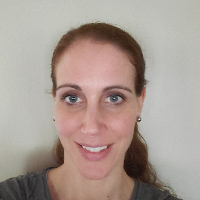
About Lindsay
Lindsay Zimmitti helps people facing stress, anxiety, depression, addiction, and life changes find practical ways forward. She is a licensed clinical social worker - LCSW - practicing in Connecticut with 18 years of experience. Her approach is straightforward and focused on solutions that fit each person's life.
Lindsay centers strength and collaboration in sessions. She treats the person as the expert on their own experience and works alongside them to problem-solve.
Background and approach
Conversations are honest and down-to-earth, aimed at clarifying goals and building useful skills you can use between meetings. She has worked across inpatient, outpatient, in-home, and school settings. That range has given her familiarity with many common concerns, including trauma, grief, relationship and intimacy issues, parenting strain, and attention difficulties.
Lindsay adapts her methods to each situation rather than applying a single formula. Therapy with her often focuses on small, achievable steps. That can mean practicing new coping strategies, reorganizing routines, improving communication, or tackling barriers to long-term change.
The goal is steady progress toward the outcomes a client values most. Lindsay has a bachelor’s degree in psychology, a master’s in social work, and earlier study in special education. She uses evidence-based techniques and continues learning so she can respond to diverse needs.
Sessions are offered in English and remotely to international clients as well. If you want a pragmatic collaborator who listens and helps you make concrete changes, Lindsay offers a direct, experienced presence to guide that work.
Evidence-based approaches and online care that fit your life
Two commonly used evidence-based approaches are trauma-focused work and skills-based strategies. Trauma-focused work helps people process painful events by pacing the work and teaching ways to reduce distress when memories arise. Skills-based strategies teach concrete tools for managing anxiety, mood swings, attention challenges, and relationship communication, so daily life becomes easier to navigate.Finding the right approach is part of the process. The therapist will collaborate with each person to choose techniques that match their goals and preferences. Together they try methods, see what helps, and adjust the plan as needed so work stays practical and relevant.
Online therapy offers straightforward benefits. Video calls let clients see and hear the therapist, which is useful for deeper conversations. Phone sessions work well when bandwidth is limited or when being on camera is difficult. Live chat and text-based messaging are good for brief check-ins, quick skill coaching, or fitting support into a busy day. These options make it easier to keep therapy consistent while adapting to changing schedules and life demands.
Frequently asked questions
What concerns does she commonly address?
What is her general therapeutic style?
How much clinical experience does she have?
What credentials and location are listed?
Which languages are supported and can international clients connect?
What session formats are available?
How is cost handled for sessions?
How do I begin working with her?
Specialties and expertise
Top specialties
- Addictions
- Family conflicts
- Trauma and abuse
Also works with
- ADHD
- Anger management
- Bipolar disorder
- Career difficulties
- Coping with life changes
- Depression
- Grief
- Intimacy-related issues
- Parenting issues
- Relationship issues
- Self esteem
- Stress, Anxiety
- Experience
- 18 years
- Licensed
- Connecticut
- Languages
- English