
Kelley Sullivan, LCSW
Colorado · 19 yrs exp · 2 languages
Works with Stress, Anxiety / Relationship / Trauma and abuse +13
Works by Somatic Therapy / Acceptance and Commitment Therapy (ACT)
View ProfileThe therapist listings are provided by BetterHelp and we will earn a commission if you use our link - at no cost to you.
Explore LCSW clinicians who list sleeping disorders among their focus areas and review profiles that highlight approaches, languages, and experience. Use the listings below to begin comparing professionals who may help you address sleep difficulties and daytime impact.
Colorado · 19 yrs exp · 2 languages
Works with Stress, Anxiety / Relationship / Trauma and abuse +13
Works by Somatic Therapy / Acceptance and Commitment Therapy (ACT)
View Profile
Texas · 13 yrs exp
Works with Stress, Anxiety / Relationship / Trauma and abuse +12
Works by Attachment-Based Therapy / Client-Centered Therapy
View Profile
North Carolina · 21 yrs exp
Works with Stress, Anxiety / Grief / Eating +13
Works by Acceptance and Commitment Therapy (ACT) / Client-Centered Therapy
View Profile
New York · 24 yrs exp
Works with Stress, Anxiety / Relationship / Anger +13
Works by Client-Centered Therapy / Cognitive Behavioral Therapy (CBT)
View Profile
Oregon · 26 yrs exp
Works with Stress, Anxiety / Trauma and abuse / Grief +11
Works by Somatic Therapy / Acceptance and Commitment Therapy (ACT)
View Profile
South Carolina · 14 yrs exp
Works with Stress, Anxiety / Parenting / Depression +15
Works by Client-Centered Therapy / Solution-Focused Therapy
View Profile
Illinois · 30 yrs exp
Works with Trauma and abuse / Grief / Self esteem +15
Works by Client-Centered Therapy / Cognitive Behavioral Therapy (CBT)
View Profile
North Carolina · 10 yrs exp
Works with Stress, Anxiety / Relationship / Family +17
Works by Acceptance and Commitment Therapy (ACT) / Client-Centered Therapy
View Profile
Texas · 21 yrs exp
Works with Stress, Anxiety / Relationship / Trauma and abuse +16
Works by Acceptance and Commitment Therapy (ACT) / Client-Centered Therapy
View Profile
Florida · 22 yrs exp
Works with Stress, Anxiety / Self esteem / Depression +6
Works by Acceptance and Commitment Therapy (ACT) / Client-Centered Therapy
View Profile
Illinois · 25 yrs exp
Works with Stress, Anxiety / Self esteem / Career +11
Works by Client-Centered Therapy / Cognitive Behavioral Therapy (CBT)
View Profile
New Jersey · 8 yrs exp
Works with Stress, Anxiety / Relationship / Trauma and abuse +15
Works by Acceptance and Commitment Therapy (ACT) / Attachment-Based Therapy
View Profile
Georgia · 25 yrs exp
Works with Stress, Anxiety / Parenting / Anger +16
Works by Attachment-Based Therapy / Client-Centered Therapy
View Profile
Florida · 14 yrs exp
Works with Stress, Anxiety / Trauma and abuse / Grief +14
Works by Cognitive Behavioral Therapy (CBT) / Dialectical Behavior Therapy (DBT)
View Profile
Texas · 20 yrs exp
Works with Stress, Anxiety / Addictions / Family +16
Works by Client-Centered Therapy / Cognitive Behavioral Therapy (CBT)
View Profile
Florida · 25 yrs exp
Works with Stress, Anxiety / Trauma and abuse / Parenting +15
Works by Client-Centered Therapy / Cognitive Behavioral Therapy (CBT)
View Profile
Florida · 10 yrs exp
Works with Stress, Anxiety / Trauma and abuse / Grief +13
Works by Client-Centered Therapy / Cognitive Behavioral Therapy (CBT)
View Profile
Alaska · 11 yrs exp
Works with Stress, Anxiety / Relationship / Family +10
Works by Client-Centered Therapy / Cognitive Behavioral Therapy (CBT)
View Profile
Arkansas · 44 yrs exp
Works with Stress, Anxiety / Trauma and abuse / Grief +17
Works by Acceptance and Commitment Therapy (ACT) / Client-Centered Therapy
View Profile
North Carolina · 16 yrs exp
Works with Stress, Anxiety / Addictions / Trauma and abuse +14
Works by Acceptance and Commitment Therapy (ACT) / Client-Centered Therapy
View Profile
Florida · 28 yrs exp · 3 languages
Works with Stress, Anxiety / Addictions / Trauma and abuse +14
Works by Acceptance and Commitment Therapy (ACT) / Attachment-Based Therapy
View Profile
Florida · 20 yrs exp
Works with Stress, Anxiety / Trauma and abuse / Grief +13
Works by Client-Centered Therapy / Cognitive Behavioral Therapy (CBT)
View Profile
Colorado · 15 yrs exp
Works with Stress, Anxiety / Grief / Depression +11
Works by Acceptance and Commitment Therapy (ACT) / Client-Centered Therapy
View Profile
New York · 25 yrs exp · 2 languages
Works with Stress, Anxiety / Grief / Anger +7
Works by Client-Centered Therapy / Cognitive Behavioral Therapy (CBT)
View Profile
Connecticut · 24 yrs exp
Works with Stress, Anxiety / Relationship / Grief +12
Works by Client-Centered Therapy / Cognitive Behavioral Therapy (CBT)
View Profile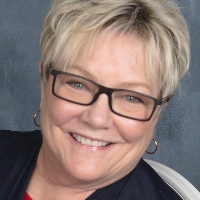
Florida · 40 yrs exp
Works with Addictions / Relationship / Grief +14
Works by Cognitive Behavioral Therapy (CBT) / Psychodynamic Therapy
View Profile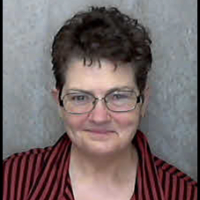
Texas · 35 yrs exp
Works with Stress, Anxiety / Relationship / Family +15
Works by Attachment-Based Therapy / Client-Centered Therapy
View Profile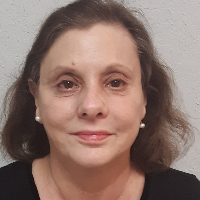
Florida · 32 yrs exp
Works with Stress, Anxiety / Trauma and abuse / Grief +15
Works by Acceptance and Commitment Therapy (ACT) / Client-Centered Therapy
View Profile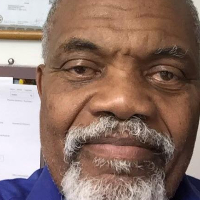
Illinois · 39 yrs exp
Works with Stress, Anxiety / Relationship / Grief +2
Works by Client-Centered Therapy / Cognitive Behavioral Therapy (CBT)
View Profile
New York · 25 yrs exp
Works with Stress, Anxiety / Relationship / Family +16
Works by Acceptance and Commitment Therapy (ACT) / Client-Centered Therapy
View Profile
Kentucky · 15 yrs exp
Works with Stress, Anxiety / Relationship / Parenting +14
Works by Acceptance and Commitment Therapy (ACT) / Attachment-Based Therapy
View Profile
Florida · 20 yrs exp
Works with Stress, Anxiety / Relationship / Family +17
Works by Acceptance and Commitment Therapy (ACT) / Attachment-Based Therapy
View Profile
Connecticut · 16 yrs exp
Works with Stress, Anxiety / Addictions / Family +15
Works by Cognitive Behavioral Therapy (CBT) / Dialectical Behavior Therapy (DBT)
View Profile
Florida · 5 yrs exp
Works with Addictions / Relationship / Self esteem +14
Works by Acceptance and Commitment Therapy (ACT) / Attachment-Based Therapy
View Profile
Texas · 39 yrs exp
Works with Stress, Anxiety / Relationship / Trauma and abuse +12
Works by Acceptance and Commitment Therapy (ACT) / Attachment-Based Therapy
View Profile
Oklahoma · 12 yrs exp
Works with Stress, Anxiety / Family / Trauma and abuse +12
Works by Client-Centered Therapy / Cognitive Behavioral Therapy (CBT)
View Profile
Missouri · 25 yrs exp · 2 languages
Works with Anger / Self esteem / Depression +16
Works by Somatic Therapy / Client-Centered Therapy
View Profile
Kentucky · 9 yrs exp
Works with Stress, Anxiety / Grief / Sleeping +8
Works by Acceptance and Commitment Therapy (ACT) / Client-Centered Therapy
View Profile
Hawaii · 32 yrs exp
Works with Stress, Anxiety / Relationship / Trauma and abuse +13
Works by Cognitive Behavioral Therapy (CBT) / Dialectical Behavior Therapy (DBT)
View Profile
New York · 25 yrs exp · 2 languages
Works with Stress, Anxiety / Trauma and abuse / Self esteem +12
Works by Cognitive Behavioral Therapy (CBT) / Dialectical Behavior Therapy (DBT)
View Profile
Florida · 21 yrs exp
Works with Stress, Anxiety / Relationship / Trauma and abuse +14
Works by Attachment-Based Therapy / Cognitive Behavioral Therapy (CBT)
View Profile
Louisiana · 30 yrs exp
Works with Stress, Anxiety / Family / Trauma and abuse +17
Works by Client-Centered Therapy / Cognitive Behavioral Therapy (CBT)
View Profile
Connecticut · 45 yrs exp
Works with Stress, Anxiety / Career / Depression +12
Works by Client-Centered Therapy / Cognitive Behavioral Therapy (CBT)
View Profile
Florida · 22 yrs exp
Works with Addictions / Relationship / Trauma and abuse +5
Works by Acceptance and Commitment Therapy (ACT) / Attachment-Based Therapy
View Profile
Illinois · 40 yrs exp
Works with Stress, Anxiety / Family / Parenting +10
Works by Attachment-Based Therapy / Client-Centered Therapy
View Profile
North Carolina · 24 yrs exp
Works with Stress, Anxiety / Relationship / Family +15
Works by Client-Centered Therapy / Cognitive Behavioral Therapy (CBT)
View Profile
Connecticut · 12 yrs exp
Works with Stress, Anxiety / Addictions / Family +14
Works by Acceptance and Commitment Therapy (ACT) / Client-Centered Therapy
View Profile
Utah · 18 yrs exp
Works with Stress, Anxiety / Relationship / Grief +11
Works by Client-Centered Therapy / Motivational Interviewing
View ProfileSleeping disorders cover a range of difficulties that interfere with how you fall asleep, stay asleep, or maintain a healthy sleep-wake rhythm. Some people struggle with chronic insomnia - trouble initiating or maintaining sleep - while others experience patterns of excessive daytime sleepiness, irregular sleep timing, or sleep that is fragmented and nonrestorative. Conditions such as circadian rhythm differences, shift-work related sleep problems, and symptoms associated with breathing-related sleep disturbances can all contribute to ongoing sleep disruption. The result is often more than tiredness; disrupted sleep can ripple into work performance, mood, concentration, relationships, and daily routines.
When you look for help from a licensed clinical social worker - an LCSW - you will be working with a professional whose credential reflects a masters degree in social work, a period of supervised post-graduate clinical experience, and passage of a clinical licensing examination. Because social work training emphasizes a person-in-environment perspective, an LCSW will routinely consider how your housing, employment, caregiving responsibilities, financial pressures, and community supports influence sleep, rather than treating sleep in isolation from life circumstances.
You might consider consulting an LCSW if sleep problems are persistent enough to affect your daily functioning. Signs include regular difficulty falling asleep or staying asleep, chronic daytime fatigue or drowsiness, trouble concentrating, frequent mood changes that seem tied to poor sleep, or an ongoing mismatch between your sleep schedule and your work or family demands. If sleep disruption is compounded by stressors such as caregiving load, housing instability, workplace conflict, or unmanaged shift work, an LCSW can help you explore how those circumstances are contributing to the problem.
If you are feeling stuck after trying general sleep tips or over-the-counter sleep aids, an LCSW can assist in clarifying what elements of your life are most salient - for example, irregular schedules, nighttime caregiving, or anxiety about sleep - and help you prioritize changes that fit your context. Many people also seek support when sleep problems interact with other challenges such as mood or anxiety symptoms, substance use, or relationship strain. Because LCSWs are licensed clinicians, they can provide psychotherapy, coordinate with other health professionals when medical evaluation is appropriate, and help you navigate community resources that affect sleep, like housing or occupational support.
Early sessions with an LCSW typically involve a thorough conversation about your sleep history, daily routine, stressors, and the broader context of your life. You will likely be asked about your bedtime habits, wake times, caffeine or substance use, medical history, and how sleep problems affect your work and relationships. An LCSW will take a holistic view and explore environmental and social factors that may be sustaining sleep difficulties, such as irregular work shifts, caregiving responsibilities, or limited access to health care.
From there, you and your clinician will develop practical goals and a plan that fit your circumstances. Sessions often include education about sleep patterns and behaviors, collaboratively testing small, doable changes to routines, and tracking sleep and daytime functioning over time. Your LCSW may encourage keeping a sleep diary or log to identify patterns and to measure progress. Expect therapy to be active and skills-oriented, with in-session problem solving and homework between visits to apply changes in your daily life. If there are concerns that require medical evaluation - for example, symptoms suggestive of breathing-related sleep issues - your LCSW can discuss coordinating care with your primary care provider or a sleep medicine specialist while continuing to address psychosocial contributors to sleep problems.
Licensed clinical social workers on this directory may list a range of approaches they use in practice. For sleep concerns you will often find clinicians who list cognitive and behavioral methods among their approaches, including cognitive behavioral strategies tailored for insomnia. Therapists who list these approaches will typically focus on identifying thoughts and habits that interfere with sleep and replacing them with more effective patterns. Many LCSWs also integrate relaxation techniques, mindfulness practices, and behavioral changes like stimulus control and sleep scheduling that are designed to strengthen the association between your bed and sleep.
Because LCSWs emphasize the person-in-environment perspective, you may also encounter clinicians who combine sleep-focused techniques with work on environmental or social issues that affect sleep. This could include addressing financial stress that causes nighttime worry, coordinating with housing or employment services to reduce shift-related sleep disruption, or helping you set boundaries around caregiving so you can prioritize restorative rest. When medical conditions or suspected breathing-related sleep disturbances are in play, therapists often emphasize collaboration with medical providers. When reviewing clinician profiles, note which approaches, focus areas, and experience are listed so you can identify professionals who mention sleep-related interventions alongside broader social work supports.
Online sessions can be a practical option when you need flexibility around work hours, caregiving, or transportation. Many LCSWs provide remote appointments by video, phone, or messaging, which allows you to work on sleep strategies within the rhythm of your life. When you choose remote sessions, plan to be in a quiet, private space during appointments so you can discuss personal matters and practice techniques without interruption. If you prefer in-person meetings, look for LCSWs whose profiles indicate local licensure and who note their office setting.
When selecting an LCSW for sleep concerns, focus on fit rather than promises. Look for clinicians who list sleep or insomnia among their focus areas, who describe relevant experience with shift work or caregiving populations if those issues apply to you, and who note languages or cultural backgrounds that match your needs. Pay attention to licensing information - LCSW licensure is state-based, and clinicians often list their state of practice - and consider whether coordinating with your medical providers for testing or medication oversight may be important. Think about the practical details that matter to you, such as session format, approach descriptions, and whether the clinician mentions working with connected life challenges like stress, employment, or family responsibilities.
Choosing an LCSW is a personal decision. As you review profiles, use the information about credentials, approaches, and experience to narrow options to clinicians whose description aligns with your situation and values. A good match often includes a clinician who understands the practical constraints in your life and who is ready to address sleep issues in the context of your relationships, work, and community supports. If coordination with other health professionals is needed, an LCSW can help manage those conversations while focusing on behavioral and contextual changes that support better sleep.
As you explore the listings on this page, consider the factors that will make therapy workable for you - timing, language, approach, and the kinds of life barriers you want to address. Comparing profiles by approach, languages, and experience can help you find an LCSW whose practice aligns with the challenges you face around sleep. With thoughtful selection, you can find a clinician who will partner with you to examine patterns, test practical changes, and address the social and environmental contributors to your sleep problems.
Alabama
26 therapists
Alaska
19 therapists
Arizona
115 therapists
Arkansas
68 therapists
California
989 therapists
Colorado
177 therapists
Connecticut
133 therapists
Delaware
42 therapists
District of Columbia
8 therapists
Florida
982 therapists
Georgia
268 therapists
Hawaii
39 therapists
Idaho
50 therapists
Illinois
450 therapists
Indiana
247 therapists
Iowa
9 therapists
Kansas
33 therapists
Kentucky
166 therapists
Louisiana
165 therapists
Maine
66 therapists
Maryland
29 therapists
Massachusetts
17 therapists
Michigan
43 therapists
Minnesota
16 therapists
Mississippi
86 therapists
Missouri
188 therapists
Montana
62 therapists
Nebraska
2 therapists
Nevada
71 therapists
New Hampshire
24 therapists
New Jersey
300 therapists
New Mexico
69 therapists
New York
659 therapists
North Carolina
441 therapists
North Dakota
12 therapists
Ohio
39 therapists
Oklahoma
87 therapists
Oregon
78 therapists
Pennsylvania
272 therapists
Rhode Island
4 therapists
South Carolina
45 therapists
South Dakota
2 therapists
Tennessee
134 therapists
Texas
617 therapists
Utah
121 therapists
Vermont
3 therapists
Virginia
232 therapists
Washington
20 therapists
West Virginia
9 therapists
Wisconsin
161 therapists
Wyoming
22 therapists