
Kelley Sullivan, LCSW
Colorado · 19 yrs exp · 2 languages
Works with Stress, Anxiety / Relationship / Trauma and abuse +13
Works by Somatic Therapy / Acceptance and Commitment Therapy (ACT)
View ProfileThe therapist listings are provided by BetterHelp and we will earn a commission if you use our link - at no cost to you.
This directory highlights licensed clinical social workers (LCSWs) who list men's issues as a focus area. Browse the therapist profiles below to compare focus areas, approaches, languages, and experience as you look for a fit.
Colorado · 19 yrs exp · 2 languages
Works with Stress, Anxiety / Relationship / Trauma and abuse +13
Works by Somatic Therapy / Acceptance and Commitment Therapy (ACT)
View Profile
New York · 25 yrs exp · 2 languages
Works with Stress, Anxiety / Addictions / Trauma and abuse +12
Works by Client-Centered Therapy / Cognitive Behavioral Therapy (CBT)
View Profile
Missouri · 16 yrs exp
Works with Stress, Anxiety / Trauma and abuse / Self esteem +13
Works by Client-Centered Therapy / Cognitive Behavioral Therapy (CBT)
View Profile
North Carolina · 10 yrs exp
Works with Stress, Anxiety / Relationship / Family +17
Works by Acceptance and Commitment Therapy (ACT) / Client-Centered Therapy
View Profile
Florida · 30 yrs exp
Works with Stress, Anxiety / Relationship / Intimacy-related issues +9
Works by Client-Centered Therapy / Cognitive Behavioral Therapy (CBT)
View Profile
New Jersey · 8 yrs exp
Works with Stress, Anxiety / Relationship / Trauma and abuse +15
Works by Acceptance and Commitment Therapy (ACT) / Attachment-Based Therapy
View Profile
Louisiana · 14 yrs exp
Works with Stress, Anxiety / Anger / Self esteem +10
View Profile
Mississippi · 12 yrs exp
Works with Stress, Anxiety / Addictions / Anger +13
Works by Client-Centered Therapy / Cognitive Behavioral Therapy (CBT)
View Profile
Florida · 14 yrs exp
Works with Stress, Anxiety / Trauma and abuse / Grief +14
Works by Cognitive Behavioral Therapy (CBT) / Dialectical Behavior Therapy (DBT)
View Profile
Illinois · 20 yrs exp
Works with Stress, Anxiety / Grief / Self esteem +12
Works by Client-Centered Therapy / Cognitive Behavioral Therapy (CBT)
View Profile
Mississippi · 36 yrs exp
Works with Family / Parenting / Anger +12
Works by Acceptance and Commitment Therapy (ACT) / Attachment-Based Therapy
View Profile
Florida · 28 yrs exp · 3 languages
Works with Stress, Anxiety / Addictions / Trauma and abuse +14
Works by Acceptance and Commitment Therapy (ACT) / Attachment-Based Therapy
View Profile
North Carolina · 8 yrs exp
Works with Stress, Anxiety / Trauma and abuse / Parenting +9
Works by Attachment-Based Therapy / Client-Centered Therapy
View Profile
New York · 25 yrs exp · 2 languages
Works with Stress, Anxiety / Grief / Anger +7
Works by Client-Centered Therapy / Cognitive Behavioral Therapy (CBT)
View Profile
Florida · 40 yrs exp
Works with Addictions / Relationship / Grief +14
Works by Cognitive Behavioral Therapy (CBT) / Psychodynamic Therapy
View Profile
Missouri · 13 yrs exp
Works with Stress, Anxiety / Addictions / Relationship +7
Works by Cognitive Behavioral Therapy (CBT) / Existential Therapy
View Profile
North Dakota · 10 yrs exp
Works with Stress, Anxiety / Relationship / Family +11
Works by Somatic Therapy / Acceptance and Commitment Therapy (ACT)
View Profile
New York · 25 yrs exp
Works with Stress, Anxiety / Relationship / Family +16
Works by Acceptance and Commitment Therapy (ACT) / Client-Centered Therapy
View Profile
Florida · 23 yrs exp
Works with Stress, Anxiety / Addictions / LGBT +12
Works by Acceptance and Commitment Therapy (ACT) / Client-Centered Therapy
View Profile
Florida · 20 yrs exp
Works with Stress, Anxiety / Relationship / Family +17
Works by Acceptance and Commitment Therapy (ACT) / Attachment-Based Therapy
View Profile
Montana · 20 yrs exp
Works with Stress, Anxiety / Addictions / Relationship +12
Works by Acceptance and Commitment Therapy (ACT) / Attachment-Based Therapy
View Profile
Utah · 30 yrs exp
Works with Stress, Anxiety / Trauma and abuse / Grief +2
View Profile
Connecticut · 16 yrs exp
Works with Stress, Anxiety / Addictions / Family +15
Works by Cognitive Behavioral Therapy (CBT) / Dialectical Behavior Therapy (DBT)
View Profile
Texas · 39 yrs exp
Works with Stress, Anxiety / Relationship / Trauma and abuse +12
Works by Acceptance and Commitment Therapy (ACT) / Attachment-Based Therapy
View Profile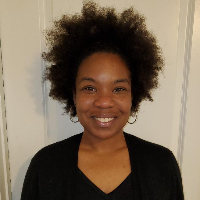
North Carolina · 15 yrs exp
Works with LGBT / Relationship / Family +8
Works by Attachment-Based Therapy / Client-Centered Therapy
View Profile
Missouri · 35 yrs exp
Works with Stress, Anxiety / Relationship / Family +12
Works by Client-Centered Therapy / Cognitive Behavioral Therapy (CBT)
View Profile
Utah · 23 yrs exp
Works with Stress, Anxiety / Anger / Self esteem +2
View Profile
Hawaii · 32 yrs exp
Works with Stress, Anxiety / Relationship / Trauma and abuse +13
Works by Cognitive Behavioral Therapy (CBT) / Dialectical Behavior Therapy (DBT)
View Profile
New Mexico · 4 yrs exp
Works with Stress, Anxiety / Relationship / Trauma and abuse +12
Works by Client-Centered Therapy / Cognitive Behavioral Therapy (CBT)
View Profile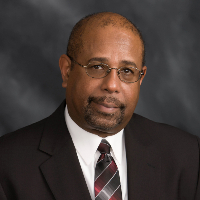
Mississippi · 51 yrs exp
Works with Stress, Anxiety / Relationship / Self esteem +16
Works by Acceptance and Commitment Therapy (ACT) / Attachment-Based Therapy
View Profile
Pennsylvania · 10 yrs exp
Works with Stress, Anxiety / Addictions / LGBT +15
Works by Acceptance and Commitment Therapy (ACT) / Attachment-Based Therapy
View Profile
Florida · 40 yrs exp
Works with Stress, Anxiety / Relationship / Family +9
Works by Client-Centered Therapy / Cognitive Behavioral Therapy (CBT)
View Profile
Florida · 42 yrs exp
Works with Stress, Anxiety / Addictions / Relationship +16
Works by Somatic Therapy / Acceptance and Commitment Therapy (ACT)
View Profile
Georgia · 31 yrs exp
Works with Stress, Anxiety / Addictions / Trauma and abuse +12
Works by Acceptance and Commitment Therapy (ACT) / Attachment-Based Therapy
View Profile
Missouri · 12 yrs exp
Works with Stress, Anxiety / Relationship / Grief +11
Works by Acceptance and Commitment Therapy (ACT) / Attachment-Based Therapy
View Profile
New York · 8 yrs exp
Works with Stress, Anxiety / Addictions / Trauma and abuse +2
View Profile
Iowa · 31 yrs exp
Works with Addictions / LGBT / Trauma and abuse +4
Works by Acceptance and Commitment Therapy (ACT) / Attachment-Based Therapy
View Profile
New Mexico · 12 yrs exp
Works with Stress, Anxiety / Relationship / Self esteem +14
Works by Attachment-Based Therapy / Client-Centered Therapy
View Profile
Pennsylvania · 25 yrs exp
Works with Stress, Anxiety / Addictions / LGBT +15
Works by Acceptance and Commitment Therapy (ACT) / Client-Centered Therapy
View Profile
New York · 9 yrs exp · 2 languages
Works with Stress, Anxiety / LGBT / Relationship +2
Works by Attachment-Based Therapy / Client-Centered Therapy
View Profile
Illinois · 30 yrs exp
Works with Stress, Anxiety / Relationship / Anger +2
Works by Acceptance and Commitment Therapy (ACT) / Attachment-Based Therapy
View Profile
Texas · 20 yrs exp
Works with Addictions / Trauma and abuse / Grief +15
Works by Acceptance and Commitment Therapy (ACT) / Attachment-Based Therapy
View Profile
New York · 14 yrs exp
Works with Stress, Anxiety / Trauma and abuse / Anger +15
Works by Client-Centered Therapy / Cognitive Behavioral Therapy (CBT)
View Profile
Nevada · 17 yrs exp
Works with Stress, Anxiety / Addictions / Relationship +12
Works by Acceptance and Commitment Therapy (ACT) / Attachment-Based Therapy
View Profile
South Carolina · 20 yrs exp
Works with Stress, Anxiety / LGBT / Relationship +7
Works by Acceptance and Commitment Therapy (ACT) / Client-Centered Therapy
View Profile
Texas · 20 yrs exp
Works with Stress, Anxiety / Addictions / LGBT +10
Works by Client-Centered Therapy / Cognitive Behavioral Therapy (CBT)
View Profile
Illinois · 41 yrs exp
Works with Stress, Anxiety / Parenting / Bipolar +16
Works by Client-Centered Therapy / Cognitive Behavioral Therapy (CBT)
View Profile
New York · 9 yrs exp
Works with Stress, Anxiety / Relationship / Family +2
View ProfileWhen people talk about men's issues they are referring to a range of concerns that often intersect with cultural expectations about masculinity, relationships, mental health, work, and identity. You might be seeking help for anxiety, depression, relationship strain, anger or irritability, difficulties with intimacy, identity questions tied to fatherhood or partner roles, or challenges related to stress and work-life balance. These concerns do not occur in isolation. Family responsibilities, employment pressures, socioeconomic factors, legal matters, and community norms all shape how symptoms appear and how people cope.
Because men's issues span emotional, social, and practical domains, they can affect daily functioning in subtle or dramatic ways. You may notice changes in sleep, appetite, concentration, or energy. You may find yourself withdrawing from people you care about, turning more to alcohol or risky behaviors, or feeling stuck in patterns you cannot change on your own. Understanding the broader context of your life - housing, finances, caregiving responsibilities, and social supports - helps make sense of why problems persist and what kinds of help feel useful.
If you are dealing with persistent low mood, frequent anger, ongoing relationship conflict, trouble regulating emotions, or a sense that your life has stalled, therapy can offer a place to explore those patterns. You might notice that coping strategies that used to work no longer do, or that stress at work is bleeding into your home life. Repeated problems in close relationships, recurring feelings of shame or isolation, or difficulty adapting to life transitions - such as becoming a parent, going through separation, or changing careers - are common prompts for seeking professional support.
Because LCSWs are trained to look at the person in their environment, you might choose an LCSW when practical concerns are part of the picture. If housing, employment, legal questions, or caregiving responsibilities intersect with your emotional health, an LCSW can help you explore both emotional coping and how external factors contribute to what you are experiencing. You do not need to wait until a crisis to seek help. Early conversations can clarify next steps, identify short-term strategies to reduce distress, and point to resources that address the surrounding life circumstances that matter to you.
When you meet with an LCSW, the initial sessions usually focus on understanding your current concerns and the life context that surrounds them. You can expect a conversational approach where the clinician asks about your history, present-day stressors, relationships, work, and the ways you cope. Because LCSWs emphasize a person-in-environment perspective, they will pay attention to concrete factors such as your living situation, supports, work demands, and community ties as well as your internal experience.
Sessions may include exploring patterns in how you relate to others, identifying beliefs that maintain distress, and developing practical skills to manage symptoms. Some work is inside the session - talking through difficult feelings, practicing new ways of communicating, or processing past experiences - and some happens between sessions, such as experimenting with new behaviors or using strategies to reduce reactivity. An LCSW can also help you connect with community resources, navigate systems, or problem-solve around social determinants that affect wellbeing. The pace and focus are guided by your goals and what feels manageable.
Clinicians who list men's issues among their specialties often draw on a range of therapeutic approaches. Cognitive-behavioral approaches focus on identifying unhelpful thoughts and testing new behaviors in daily life. Psychodynamic or relational approaches explore how past relationships and early experiences shape current patterns. Acceptance- and mindfulness-based approaches emphasize noticing experience without judgment and clarifying values that guide change. Approaches that focus on communication and couples work address interaction patterns that cause repeated conflict or disconnection.
You should bear in mind that the directory records only that a therapist lists these approaches among their methods - it does not mean a particular credential or certification. If you prefer a certain approach, look for clinicians who describe that orientation in their profile and who explain how they use it when working with men's concerns. Many people find it helpful when therapists integrate more than one approach so that practical skill-building is combined with deeper exploration of identity, expectations, and relational patterns.
Online sessions with an LCSW make it possible to connect from home, from work, or from another private space that feels comfortable for you. Sessions are typically arranged with a scheduled video or phone appointment. In an online format you will still have the opportunity to explore personal themes, practice communication skills, and work with the clinician on strategies that translate into your daily life. Some people find it easier to talk from a familiar setting, while others prefer in-person meetings when that option is available.
Licensing rules vary by state, so an LCSW's scope of practice and title may differ depending on where they are licensed. If state licensure matters to you, look at the clinician's profile to see where they are licensed and which populations or issues they highlight. Online work can be especially helpful when local options are limited, when you need more flexible scheduling, or when specific language or cultural concordance is a priority. Keep in mind that online sessions still rely on the same core elements - a working relationship, clear goals, and collaborative planning - as in-person work.
Start by clarifying what matters most to you. Are you looking for help with relationships, managing anger, navigating career stress, or adjusting to a life transition? Do you prefer a clinician who lists experience with fatherhood, veterans, or other specific life contexts? Use those priorities to focus on profiles that describe relevant experience. Because each LCSW is licensed by a state board, you can look for the location and licensure information that aligns with your needs. Remember that the directory lets you compare focus areas, approaches, languages, and years of experience rather than operational details.
When reading profiles, pay attention to how therapists describe their work rather than relying on labels alone. Look for language that resonates with you about approach, goals, and the kinds of issues they commonly address. Consider whether you want a clinician who emphasizes practical problem-solving, emotional processing, relational work, or a combination. If language or cultural background matters, seek out clinicians who list those competencies. Finally, think about logistics you value - whether you prefer online sessions or local in-person meetings - and use the profile details to make an informed match based on focus areas, approaches, credentials, languages, and experience.
Alabama
26 therapists
Alaska
19 therapists
Arizona
115 therapists
Arkansas
68 therapists
California
989 therapists
Colorado
177 therapists
Connecticut
133 therapists
Delaware
42 therapists
District of Columbia
8 therapists
Florida
982 therapists
Georgia
268 therapists
Hawaii
39 therapists
Idaho
50 therapists
Illinois
450 therapists
Indiana
247 therapists
Iowa
9 therapists
Kansas
33 therapists
Kentucky
166 therapists
Louisiana
165 therapists
Maine
66 therapists
Maryland
29 therapists
Massachusetts
17 therapists
Michigan
43 therapists
Minnesota
16 therapists
Mississippi
86 therapists
Missouri
188 therapists
Montana
62 therapists
Nebraska
2 therapists
Nevada
71 therapists
New Hampshire
24 therapists
New Jersey
300 therapists
New Mexico
69 therapists
New York
659 therapists
North Carolina
441 therapists
North Dakota
12 therapists
Ohio
39 therapists
Oklahoma
87 therapists
Oregon
78 therapists
Pennsylvania
272 therapists
Rhode Island
4 therapists
South Carolina
45 therapists
South Dakota
2 therapists
Tennessee
134 therapists
Texas
617 therapists
Utah
121 therapists
Vermont
3 therapists
Virginia
232 therapists
Washington
20 therapists
West Virginia
9 therapists
Wisconsin
161 therapists
Wyoming
22 therapists