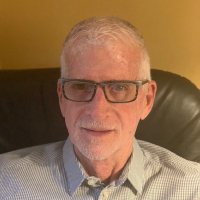
About Kevin
Kevin Farrell welcomes people who are feeling stuck, overwhelmed, or uncertain about the next step. He is a Licensed Clinical Social Worker with about 20 years of experience. Kevin works with adults facing anxiety, depression, relationship struggles, addiction concerns, grief, and identity questions.
He aims to make therapy straightforward and down-to-earth so clients can focus on practical change. Kevin views therapy as a partnership. He works with each person to set clear goals and check progress along the way.
Background and approach
Sessions focus on small, achievable steps that build better coping and problem-solving skills. He uses an approachable style that gives space for reflection while keeping an eye on tangible progress. His background includes a career in media before returning to school for a Masters of Social Work and shifting into clinical practice.
That life change shaped his interest in meaning, purpose, and midlife transitions. Over two decades he has helped adults navigate mood changes, bipolar disorder, ADHD, and the stresses of work and relationships. Kevin draws on a mix of methods including Client-Centered work, Cognitive Behavioral techniques, Psychodynamic ideas, and Existential perspectives.
He leans toward solution-focused moves when clients need clear strategies to manage symptoms and life changes. He also pays attention to long-term patterns that affect relationships and self-view. People who connect with him often mention his respectful, nonjudgmental approach.
Kevin prioritizes honesty and collaboration so clients feel heard and can try new ways of coping. He practices in Connecticut and holds LCSW licensure.
Approaches that translate to online therapy
Client-Centered Therapy focuses on building a strong working relationship and making the client feel understood. It helps people who need a supportive space to clarify goals and strengthen self-direction.Cognitive Behavioral Therapy (CBT) targets unhelpful thoughts and patterns with practical exercises and homework. It is useful for anxiety, depression, stress, and problem-solving around day-to-day challenges.
Finding the right approach is part of the work and will be decided together. The therapist collaborates with each person to match methods to their needs, goals, and preferences and adjusts as progress unfolds.
Online therapy offers flexible ways to connect, including video calls, phone sessions, live chat, and text-based messaging. Video sessions allow face-to-face conversation and visual cues, phone calls can be easier when bandwidth is limited, and messaging formats are useful for short check-ins or people who prefer not to be on camera. These options make it simpler to fit sessions into work, caregiving, or travel schedules and to maintain continuity when life is busy.
Frequently asked questions
What kinds of concerns does he help with?
What is his therapy style like?
How much clinical experience does he have?
What credentials and location are listed?
Which languages are sessions offered in?
What session formats are available?
How does cost and billing work?
How do I begin a course of therapy?
Specialties and expertise
Top specialties
Also works with
- ADHD
- Aging and geriatric issues
- Attachment issues
- BDSM, kink, and alternative sex culture
- Bipolar disorder
- Career difficulties
- Commitment issues
- Coping with life changes
- Depression
- Drug and alcohol addiction
- Emptiness
- Gender dysphoria
- Grief
- Guilt and shame
- HIV / AIDS
- Hospice and end-of-life counseling
- Infidelity
- Intimacy-related issues
- Isolation / loneliness
- Life purpose
- Men's issues
- Midlife crisis
- Mood disorders
- Polyamory / non-monogamous relationships
- Process addiction (porn, exercise, gambling)
- Relationship issues
- Self-love
- Sex addiction
- Sexual assault and abuse
- Sexual dysfunction
- Sexuality
- Social anxiety and phobia
- Stress, Anxiety
- Trauma and abuse
- Young adult issues
Therapeutic approaches
- Experience
- 20 years
- Licensed
- California, Connecticut
- Languages
- English