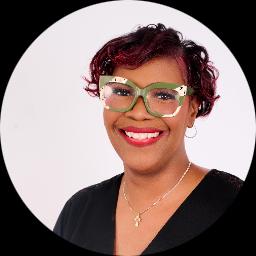
About Hope
Hope Lumpkin greets people who feel overwhelmed by past hurts and life changes. She is a Licensed Clinical Social Worker, which patients will see noted as LCSW, and she focuses on trauma and abuse. Her style aims to help people find practical steps toward feeling steadier and more hopeful.
She offers both faith-informed and traditional counseling options. Sessions tend to focus on clear goals like reducing shame, working through guilt, or exploring what gives a person meaning.
Background and approach
Hope uses a trauma-aware way of listening so painful memories do not derail the work people want to do now. Hope draws on four years of clinical experience in Connecticut. That time has included work supporting people from diverse backgrounds and life situations.
She emphasizes an inclusive, nonjudgmental tone so people can speak honestly about what matters most to them. In sessions, she helps people sort through emotions and make realistic plans. Conversations can include exploring forgiveness, finding purpose, and learning skills to manage difficult feelings.
The pace and focus adapt to each person’s needs. Hope aims for a collaborative relationship where clients feel seen and guided. She encourages practical steps between sessions and checks in on small changes.
The goal is steady progress toward feeling more connected to hope and purpose.
Practical approaches for online healing
Hope uses evidence-based therapeutic techniques to address trauma and its effects. One common approach is trauma-informed care, which focuses on understanding how past harm shapes current reactions and then building safety and coping skills to reduce overwhelm. Another approach emphasizes client-centered work, where sessions follow the person’s priorities and pace while developing concrete steps for change.Choosing the right method happens together. The therapist will listen to your concerns, try an approach, and adjust based on what helps most. This collaborative process helps identify which techniques fit your goals, values, and daily life.
Online therapy offers practical flexibility. Video calls allow face-to-face conversation for deeper connection. Phone sessions can be easier when bandwidth is limited or when a shorter check-in fits a break at work. Live chat and text-based messaging make it possible to share quick updates, ask questions between sessions, or work through emotions in real time without scheduling another call. These options let people use therapy in ways that fit their routines and keep momentum between meetings.
Frequently asked questions
What concerns does Hope commonly address?
How would you describe her therapeutic style?
What is her clinical background?
What credential does she hold and where is she located?
In which languages are sessions offered and are international clients supported?
What session formats are available?
How does pricing work for sessions?
How do I begin working with her?
Specialties and expertise
Top specialties
Also works with
- Experience
- 4 years
- Licensed
- Connecticut
- Languages
- English