
Kelley Sullivan, LCSW
Colorado · 19 yrs exp · 2 languages
Works with Stress, Anxiety / Relationship / Trauma and abuse +13
Works by Somatic Therapy / Acceptance and Commitment Therapy (ACT)
View ProfileThe therapist listings are provided by BetterHelp and we will earn a commission if you use our link - at no cost to you.
This page lists licensed LCSW clinicians who identify sexuality as a focus of their work. Use the listings below to review profiles, learn about each clinician's focus areas, and explore options that fit your needs.
Browse the therapist grid to read more about professional backgrounds, languages, and the issues each LCSW highlights.
Colorado · 19 yrs exp · 2 languages
Works with Stress, Anxiety / Relationship / Trauma and abuse +13
Works by Somatic Therapy / Acceptance and Commitment Therapy (ACT)
View Profile
Texas · 6 yrs exp
Works with LGBT / Relationship / Family +7
Works by Acceptance and Commitment Therapy (ACT) / Attachment-Based Therapy
View Profile
North Carolina · 10 yrs exp
Works with Stress, Anxiety / Relationship / Family +17
Works by Acceptance and Commitment Therapy (ACT) / Client-Centered Therapy
View Profile
Florida · 15 yrs exp
Works with Relationship / Family / Intimacy-related issues +5
View Profile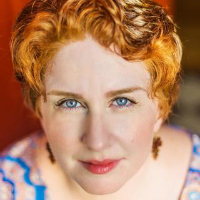
New Jersey · 22 yrs exp
Works with Stress, Anxiety / LGBT / Relationship +11
Works by Acceptance and Commitment Therapy (ACT) / Attachment-Based Therapy
View Profile
Texas · 21 yrs exp
Works with Stress, Anxiety / Relationship / Trauma and abuse +16
Works by Acceptance and Commitment Therapy (ACT) / Client-Centered Therapy
View Profile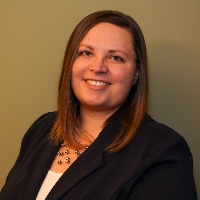
Illinois · 12 yrs exp
Works with Stress, Anxiety / Trauma and abuse / Parenting +13
Works by Client-Centered Therapy / Cognitive Behavioral Therapy (CBT)
View Profile
Delaware · 8 yrs exp
Works with Relationship / Family / Trauma and abuse +12
View Profile
Florida · 30 yrs exp
Works with Stress, Anxiety / Relationship / Intimacy-related issues +9
Works by Client-Centered Therapy / Cognitive Behavioral Therapy (CBT)
View Profile
Louisiana · 14 yrs exp
Works with Stress, Anxiety / Anger / Self esteem +10
View Profile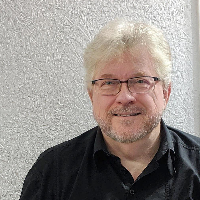
Tennessee · 35 yrs exp
Works with Stress, Anxiety / Grief / Self esteem +9
Works by Acceptance and Commitment Therapy (ACT) / Client-Centered Therapy
View Profile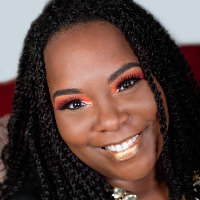
North Carolina · 30 yrs exp
Works with LGBT / Relationship / Family +14
Works by Acceptance and Commitment Therapy (ACT) / Attachment-Based Therapy
View Profile
Georgia · 25 yrs exp
Works with Stress, Anxiety / Parenting / Anger +16
Works by Attachment-Based Therapy / Client-Centered Therapy
View Profile
Florida · 14 yrs exp
Works with Stress, Anxiety / Trauma and abuse / Grief +14
Works by Cognitive Behavioral Therapy (CBT) / Dialectical Behavior Therapy (DBT)
View Profile
Texas · 20 yrs exp
Works with Stress, Anxiety / Addictions / Family +16
Works by Client-Centered Therapy / Cognitive Behavioral Therapy (CBT)
View Profile
Florida · 10 yrs exp
Works with Stress, Anxiety / Trauma and abuse / Grief +13
Works by Client-Centered Therapy / Cognitive Behavioral Therapy (CBT)
View Profile
Florida · 28 yrs exp · 3 languages
Works with Stress, Anxiety / Addictions / Trauma and abuse +14
Works by Acceptance and Commitment Therapy (ACT) / Attachment-Based Therapy
View Profile
California · 7 yrs exp
Works with Stress, Anxiety / LGBT / Trauma and abuse +2
View Profile
New York · 25 yrs exp · 2 languages
Works with Stress, Anxiety / Grief / Anger +7
Works by Client-Centered Therapy / Cognitive Behavioral Therapy (CBT)
View Profile
Connecticut · 24 yrs exp
Works with Stress, Anxiety / Relationship / Grief +12
Works by Client-Centered Therapy / Cognitive Behavioral Therapy (CBT)
View Profile
New Jersey · 12 yrs exp
Works with Stress, Anxiety / Relationship / Trauma and abuse +2
View Profile
Texas · 35 yrs exp
Works with Stress, Anxiety / Relationship / Family +15
Works by Attachment-Based Therapy / Client-Centered Therapy
View Profile
North Dakota · 10 yrs exp
Works with Stress, Anxiety / Relationship / Family +11
Works by Somatic Therapy / Acceptance and Commitment Therapy (ACT)
View Profile
Illinois · 3 yrs exp
Works with Stress, Anxiety / Addictions / LGBT +11
Works by Cognitive Behavioral Therapy (CBT) / Solution-Focused Therapy
View Profile
Kentucky · 15 yrs exp
Works with Stress, Anxiety / Relationship / Parenting +14
Works by Acceptance and Commitment Therapy (ACT) / Attachment-Based Therapy
View Profile
Florida · 23 yrs exp
Works with Stress, Anxiety / Addictions / LGBT +12
Works by Acceptance and Commitment Therapy (ACT) / Client-Centered Therapy
View Profile
Florida · 20 yrs exp
Works with Stress, Anxiety / Relationship / Family +17
Works by Acceptance and Commitment Therapy (ACT) / Attachment-Based Therapy
View Profile
Utah · 30 yrs exp
Works with Stress, Anxiety / Trauma and abuse / Grief +2
View Profile
Connecticut · 16 yrs exp
Works with Stress, Anxiety / Addictions / Family +15
Works by Cognitive Behavioral Therapy (CBT) / Dialectical Behavior Therapy (DBT)
View Profile
Texas · 39 yrs exp
Works with Stress, Anxiety / Relationship / Trauma and abuse +12
Works by Acceptance and Commitment Therapy (ACT) / Attachment-Based Therapy
View Profile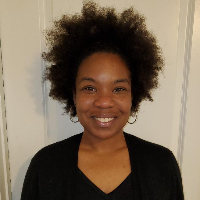
North Carolina · 15 yrs exp
Works with LGBT / Relationship / Family +8
Works by Attachment-Based Therapy / Client-Centered Therapy
View Profile
Missouri · 25 yrs exp · 2 languages
Works with Anger / Self esteem / Depression +16
Works by Somatic Therapy / Client-Centered Therapy
View Profile
Florida · 16 yrs exp
Works with Stress, Anxiety / Trauma and abuse / Grief +11
Works by Acceptance and Commitment Therapy (ACT) / Attachment-Based Therapy
View Profile
New Mexico · 4 yrs exp
Works with Stress, Anxiety / Relationship / Trauma and abuse +12
Works by Client-Centered Therapy / Cognitive Behavioral Therapy (CBT)
View Profile
Florida · 5 yrs exp
Works with Stress, Anxiety / LGBT / Trauma and abuse +11
Works by Somatic Therapy / Acceptance and Commitment Therapy (ACT)
View Profile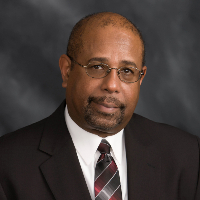
Mississippi · 51 yrs exp
Works with Stress, Anxiety / Relationship / Self esteem +16
Works by Acceptance and Commitment Therapy (ACT) / Attachment-Based Therapy
View Profile
Pennsylvania · 10 yrs exp
Works with Stress, Anxiety / Addictions / LGBT +15
Works by Acceptance and Commitment Therapy (ACT) / Attachment-Based Therapy
View Profile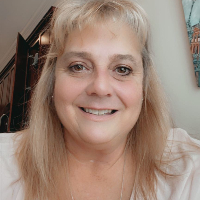
Louisiana · 30 yrs exp
Works with Stress, Anxiety / Relationship / Family +15
Works by Client-Centered Therapy / Cognitive Behavioral Therapy (CBT)
View Profile
Florida · 42 yrs exp
Works with Stress, Anxiety / Addictions / Relationship +16
Works by Somatic Therapy / Acceptance and Commitment Therapy (ACT)
View Profile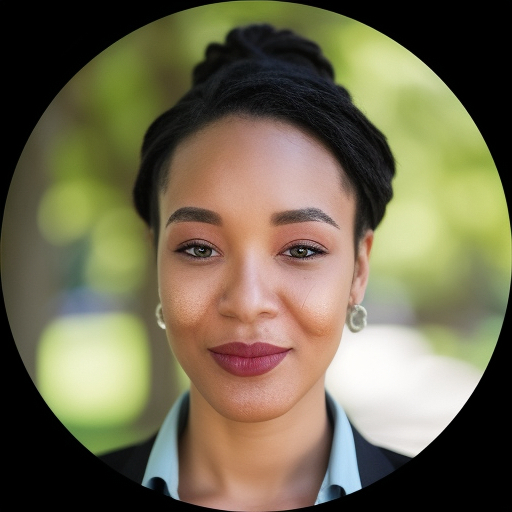
Georgia · 7 yrs exp
Works with Stress, Anxiety / Trauma and abuse / Self esteem +11
Works by Acceptance and Commitment Therapy (ACT) / Attachment-Based Therapy
View Profile
Texas · 16 yrs exp
Works with Stress, Anxiety / Relationship / Family +14
Works by Somatic Therapy / Acceptance and Commitment Therapy (ACT)
View Profile
Indiana · 37 yrs exp
Works with Stress, Anxiety / LGBT / Self esteem +10
Works by Client-Centered Therapy / Narrative Therapy
View Profile
Texas · 4 yrs exp
Works with Stress, Anxiety / LGBT / Trauma and abuse +2
View Profile
Missouri · 5 yrs exp
Works with Family / Trauma and abuse / Parenting +13
Works by Acceptance and Commitment Therapy (ACT) / Client-Centered Therapy
View Profile
Missouri · 12 yrs exp
Works with Stress, Anxiety / Relationship / Grief +11
Works by Acceptance and Commitment Therapy (ACT) / Attachment-Based Therapy
View Profile
Iowa · 31 yrs exp
Works with Addictions / LGBT / Trauma and abuse +4
Works by Acceptance and Commitment Therapy (ACT) / Attachment-Based Therapy
View Profile
New Mexico · 12 yrs exp
Works with Stress, Anxiety / Relationship / Self esteem +14
Works by Attachment-Based Therapy / Client-Centered Therapy
View Profile
Pennsylvania · 25 yrs exp
Works with Stress, Anxiety / Addictions / LGBT +15
Works by Acceptance and Commitment Therapy (ACT) / Client-Centered Therapy
View ProfileSexuality includes your sexual identity, orientation, desires, behaviors, relationships, boundaries, and how those elements intersect with culture, religion, work, and daily life. For many people sexuality is not only about physical experience but also about intimacy, self-understanding, and how you connect with others. When these parts of life cause distress, confusion, or friction with partners, friends, or family, you might look for professional support to clarify feelings and find a practical path forward.
When you search specifically for LCSW clinicians, you are looking for practitioners who hold a master of social work degree, have completed the state-required supervised post-graduate clinical hours, and passed a clinical licensing examination. An LCSW license is granted by a state board and governs clinical practice in that state. Social work training emphasizes the person-in-environment perspective, so an LCSW will routinely consider how housing, work, finances, family, community, and access to care shape your sexual concerns as well as your inner experience.
You might start thinking about therapy when sexual concerns begin to affect your mood, relationships, or daily functioning. That can look like ongoing anxiety about intimacy, repeated conflicts with a partner about needs or boundaries, loss of desire that worries you, distress about sexual identity or orientation, or fear and avoidance related to sexual activity. It can also include physical concerns that have emotional components - for example, pain associated with sex that leads to avoidance, or compulsive sexual behavior that interferes with work or relationships.
Other signs include repeated patterns that feel stuck despite your efforts to change, difficulty communicating about sex with partners, distress following an experience of nonconsensual sex, or moral and cultural conflicts that leave you feeling isolated. If you are navigating questions about gender, identity, or how your sexuality fits into your community, an LCSW may help you explore those areas while also attending to the broader life circumstances that influence them.
When you begin working with an LCSW about sexuality, expect an initial conversation that gathers your history, current concerns, relationships, and life context. The clinician will typically ask about how sexual issues intersect with your daily routines, stressors, medical history, and social supports so that goals can be defined in realistic terms. You and the clinician will identify areas to address first - that may be reducing anxiety, improving communication with a partner, coping after trauma, or exploring identity - and set collaborative goals.
Sessions often include education, skills practice, and reflective exploration. You may practice communication skills for conversations about consent and boundaries, learn strategies to manage anxiety or intrusive thoughts, or work through trauma-related material at a pace that feels manageable. Because LCSWs train to see the whole person in their environment, they often bring practical problem-solving into therapy - helping you manage scheduling, access resources, or navigate systemic barriers that affect sexual wellbeing. Progress is usually gradual, shaped by your goals and circumstances, and guided by your comfort level.
Profiles often list therapeutic approaches such as psychodynamic work, cognitive behavioral strategies, sex-positive counseling, mindfulness, trauma-informed care, or couples work. Keep in mind that listing an approach does not certify specialization; profiles indicate what a clinician includes among their approaches, not a formal endorsement of specific training. When you read a profile, you will find statements like therapists who list cognitive behavioral therapy or therapists who list sex-positive care among their approaches. Those phrases help you understand the framework a clinician prefers to use in sessions.
LCSWs bring the person-in-environment perspective to these approaches, which means they combine attention to internal experience with an analysis of external factors. For example, when addressing sexual anxiety, an LCSW might blend anxiety-management skills with exploration of work stress or housing instability that contribute to tension. When working with couples, an LCSW may help surface how financial strain or caregiving responsibilities affect intimacy. This broader lens can be especially useful if social, economic, or systemic issues are part of the challenge you want to address.
Many LCSWs offer sessions by video or phone as one option for care. In online sessions you can expect the same general structure as in-person work - assessment, goal-setting, and focused interventions - while communicating through a digital platform or phone line. If you are considering remote work, think about factors such as whether you have a personal place to speak, which communication format feels most comfortable for sensitive topics, and whether you need documentation for insurance or workplace purposes. Note that an LCSW's license is issued by a state board and scope of practice varies by state, so clinicians indicate in their profiles the states in which they are licensed to practice.
When choosing the right LCSW for sexuality work, focus on elements that matter most to you. Compare clinicians by the focus areas they list - for example, sexual identity, sexual trauma, sexual pain, or couples and relationship work - and look at the approaches they describe. Consider language skills, experience with specific communities, and any population focus such as adolescent, adult, or older adult practice. Read clinician statements about their values and boundaries, and review practical details like fees and whether they work with insurance. Think about cultural competency and whether a clinician expresses openness to your background and identity. Trust your sense of comfort when reading profiles; the right match is often about feeling understood and respected.
In sum, searching for an LCSW who lists sexuality as a focus gives you access to clinicians trained in clinical social work and skilled at integrating personal experience with life context. By learning about a clinician's focus areas, approaches, languages, and stated experience, you can narrow your options and move toward an informed conversation about the support you want.
Alabama
26 therapists
Alaska
19 therapists
Arizona
115 therapists
Arkansas
68 therapists
California
989 therapists
Colorado
177 therapists
Connecticut
133 therapists
Delaware
42 therapists
District of Columbia
8 therapists
Florida
982 therapists
Georgia
268 therapists
Hawaii
39 therapists
Idaho
50 therapists
Illinois
450 therapists
Indiana
247 therapists
Iowa
9 therapists
Kansas
33 therapists
Kentucky
166 therapists
Louisiana
165 therapists
Maine
66 therapists
Maryland
29 therapists
Massachusetts
17 therapists
Michigan
43 therapists
Minnesota
16 therapists
Mississippi
86 therapists
Missouri
188 therapists
Montana
62 therapists
Nebraska
2 therapists
Nevada
71 therapists
New Hampshire
24 therapists
New Jersey
300 therapists
New Mexico
69 therapists
New York
659 therapists
North Carolina
441 therapists
North Dakota
12 therapists
Ohio
39 therapists
Oklahoma
87 therapists
Oregon
78 therapists
Pennsylvania
272 therapists
Rhode Island
4 therapists
South Carolina
45 therapists
South Dakota
2 therapists
Tennessee
134 therapists
Texas
617 therapists
Utah
121 therapists
Vermont
3 therapists
Virginia
232 therapists
Washington
20 therapists
West Virginia
9 therapists
Wisconsin
161 therapists
Wyoming
22 therapists