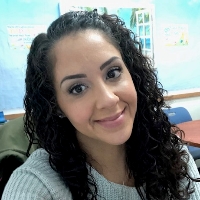
About Elizabeth
Elizabeth Carrero greets people with a calm, straightforward approach. She aims to help individuals who feel overwhelmed by stress, anxiety, parenting struggles, relationship strain, or the fallout from trauma. She speaks English and Spanish and brings a decade of mental health experience to sessions.
Elizabeth holds a Connecticut Licensed Clinical Social Worker license (LCSW). Elizabeth focuses on building a strong working relationship first. She believes that trust and feeling heard are what allow change to begin.
Background and approach
In sessions she listens, reflects, and helps people name what matters most to them right now. Her style is pragmatic and person-centered. She draws on several commonly used approaches to tailor practical strategies to each person’s needs.
That can mean skill-building for managing strong emotions, trying small behavior changes, or practicing new ways to communicate with others. She pays attention to life context and family history. That includes adoption and foster care issues, attachment concerns, blended family dynamics, and multicultural factors.
Elizabeth also supports people facing OCD, self-harm thoughts, or the stress that comes with caregiving and major life transitions. Sessions are offered through video calls, phone, live chat, or text-based messaging to fit different schedules. Cost varies with location and depends on a subscription model that clients can cancel at any time.
To get started, use the Start Therapy button, complete the short matching questionnaire, and schedule according to availability.
How therapy approaches translate to online care
Elizabeth often uses Client-Centered Therapy and Cognitive Behavioral Therapy in online sessions. Client-Centered Therapy focuses on listening and reflecting to help a person feel understood and to guide their own growth. It helps with building trust, exploring values, and finding motivation to change. Cognitive Behavioral Therapy looks at the links between thoughts, feelings, and actions and teaches practical skills to reduce anxiety, manage mood, and change unhelpful patterns.Finding the right approach is part of the work. The therapist will collaborate with each person to decide which methods match their goals, needs, and comfort level. That means trying exercises, checking what helps, and adapting techniques over time rather than committing to one single way from the start.
Online formats include video calls, phone sessions, live chat, and text-based messaging. Video sessions let people talk face to face and practice communication skills. Phone sessions can be quicker check-ins or a lower-bandwidth option. Live chat and text messaging make it possible to share thoughts between calls or fit brief check-ins into a busy day. These options make therapy more flexible and easier to fit into real life routines.
Frequently asked questions
What kinds of concerns does Elizabeth address?
How would you describe her therapeutic style?
What background does she bring to therapy?
What are her credentials and where is she based?
Can sessions be conducted in languages other than English?
What session formats are available?
How does payment work for sessions?
What steps are needed to begin therapy?
Specialties and expertise
Top specialties
- Family conflicts
- Trauma and abuse
- Self esteem
Also works with
- ADHD
- Adoption and foster care
- Anger management
- Attachment issues
- Autism and Asperger Syndrome
- Blended family issues
- Career difficulties
- Caregiver issues and stress
- Codependency
- Communication problems
- Coping with life changes
- Coping with natural or human-caused disaster
- Depression
- Family of origin issues
- Family problems
- Guilt and shame
- Multicultural concerns
- Obsessions, compulsions, and OCD
- Parenting issues
- Relationship issues
- Self-harm
- Self-love
- Stress, Anxiety
- Veteran and Armed Forces Issues
- Women's issues
- Young adult issues
Therapeutic approaches
- Experience
- 10 years
- Licensed
- Connecticut
- Languages
- English, Spanish