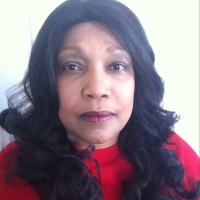
Velma Jones, LCSW
New York · 29 yrs exp
Works with Stress, Anxiety / Relationship / Trauma and abuse +11
Works by Attachment-Based Therapy / Client-Centered Therapy
View ProfileThe therapist listings are provided by BetterHelp and we will earn a commission if you use our link - at no cost to you.
This directory displays licensed clinical social workers (LCSWs) who list family of origin issues as a focus area. Review each clinician's specialties, approaches, languages, and experience in the listings below.
Use the profiles to learn more about how different LCSWs work with family of origin concerns and to narrow the search that best fits your needs.
New York · 29 yrs exp
Works with Stress, Anxiety / Relationship / Trauma and abuse +11
Works by Attachment-Based Therapy / Client-Centered Therapy
View Profile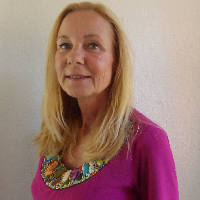
North Carolina · 30 yrs exp · 2 languages
Works with Relationship / Parenting / Anger +6
Works by Cognitive Behavioral Therapy (CBT) / Mindfulness Therapy
View Profile
Colorado · 19 yrs exp · 2 languages
Works with Stress, Anxiety / Relationship / Trauma and abuse +13
Works by Somatic Therapy / Acceptance and Commitment Therapy (ACT)
View Profile
Texas · 13 yrs exp
Works with Stress, Anxiety / Relationship / Trauma and abuse +12
Works by Attachment-Based Therapy / Client-Centered Therapy
View Profile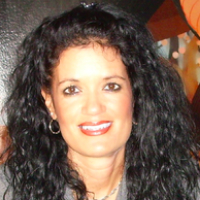
North Carolina · 21 yrs exp
Works with Stress, Anxiety / Grief / Eating +13
Works by Acceptance and Commitment Therapy (ACT) / Client-Centered Therapy
View Profile
Oregon · 26 yrs exp
Works with Stress, Anxiety / Trauma and abuse / Grief +11
Works by Somatic Therapy / Acceptance and Commitment Therapy (ACT)
View Profile
New York · 25 yrs exp · 2 languages
Works with Stress, Anxiety / Addictions / Trauma and abuse +12
Works by Client-Centered Therapy / Cognitive Behavioral Therapy (CBT)
View Profile
North Carolina · 10 yrs exp
Works with Stress, Anxiety / Relationship / Family +17
Works by Acceptance and Commitment Therapy (ACT) / Client-Centered Therapy
View Profile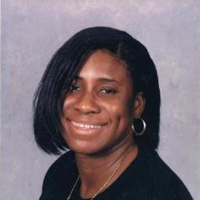
New York · 35 yrs exp
Works with Stress, Anxiety / Self esteem / Career +11
Works by Client-Centered Therapy / Mindfulness Therapy
View Profile
Kentucky · 10 yrs exp
Works with Stress, Anxiety / Family / Self esteem +13
Works by Acceptance and Commitment Therapy (ACT) / Client-Centered Therapy
View Profile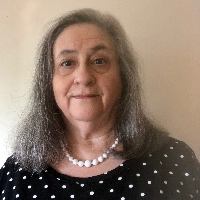
Mississippi · 23 yrs exp
Works with Stress, Anxiety / Grief / Anger +9
Works by Cognitive Behavioral Therapy (CBT) / Mindfulness Therapy
View Profile
Florida · 10 yrs exp
Works with Stress, Anxiety / Addictions / Family +9
Works by Client-Centered Therapy / Cognitive Behavioral Therapy (CBT)
View Profile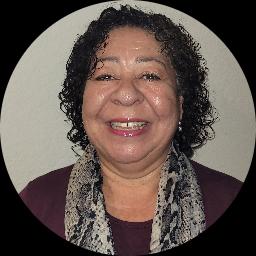
Texas · 21 yrs exp
Works with Stress, Anxiety / Relationship / Trauma and abuse +16
Works by Acceptance and Commitment Therapy (ACT) / Client-Centered Therapy
View Profile
Virginia · 31 yrs exp
Works with Stress, Anxiety / Relationship / Family +13
Works by Attachment-Based Therapy / Client-Centered Therapy
View Profile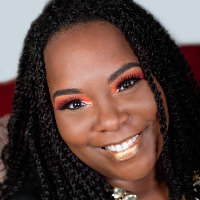
North Carolina · 30 yrs exp
Works with LGBT / Relationship / Family +14
Works by Acceptance and Commitment Therapy (ACT) / Attachment-Based Therapy
View Profile
Florida · 14 yrs exp
Works with Stress, Anxiety / Trauma and abuse / Grief +14
Works by Cognitive Behavioral Therapy (CBT) / Dialectical Behavior Therapy (DBT)
View Profile
Texas · 20 yrs exp
Works with Stress, Anxiety / Addictions / Family +16
Works by Client-Centered Therapy / Cognitive Behavioral Therapy (CBT)
View Profile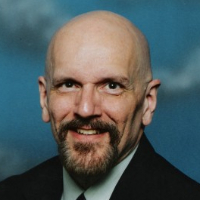
Illinois · 20 yrs exp
Works with Stress, Anxiety / Grief / Self esteem +12
Works by Client-Centered Therapy / Cognitive Behavioral Therapy (CBT)
View Profile
Arkansas · 44 yrs exp
Works with Stress, Anxiety / Trauma and abuse / Grief +17
Works by Acceptance and Commitment Therapy (ACT) / Client-Centered Therapy
View Profile
California · 20 yrs exp
Works with Stress, Anxiety / Relationship / Family +16
Works by Cognitive Behavioral Therapy (CBT) / Motivational Interviewing
View Profile
Missouri · 35 yrs exp
Works with Stress, Anxiety / Trauma and abuse / Anger +14
Works by Acceptance and Commitment Therapy (ACT) / Client-Centered Therapy
View Profile
New Mexico · 20 yrs exp
Works with Stress, Anxiety / Self esteem / Bipolar +9
Works by Acceptance and Commitment Therapy (ACT) / Client-Centered Therapy
View Profile
Texas · 5 yrs exp
Works with Stress, Anxiety / Relationship / Family +10
View Profile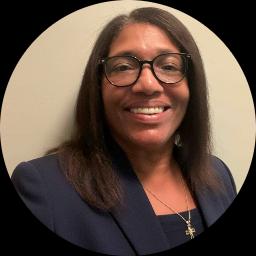
Mississippi · 36 yrs exp
Works with Family / Parenting / Anger +12
Works by Acceptance and Commitment Therapy (ACT) / Attachment-Based Therapy
View Profile
New York · 14 yrs exp
Works with Stress, Anxiety / Relationship / Trauma and abuse +6
Works by Acceptance and Commitment Therapy (ACT) / Client-Centered Therapy
View Profile
Missouri · 25 yrs exp
Works with Stress, Anxiety / Addictions / Parenting +13
Works by Client-Centered Therapy / Cognitive Behavioral Therapy (CBT)
View Profile
California · 7 yrs exp
Works with Stress, Anxiety / LGBT / Trauma and abuse +2
View Profile
Colorado · 15 yrs exp
Works with Stress, Anxiety / Grief / Depression +11
Works by Acceptance and Commitment Therapy (ACT) / Client-Centered Therapy
View Profile
Wyoming · 14 yrs exp
Works with Addictions / Relationship / Depression +12
Works by Client-Centered Therapy / Cognitive Behavioral Therapy (CBT)
View Profile
New York · 25 yrs exp · 2 languages
Works with Stress, Anxiety / Grief / Anger +7
Works by Client-Centered Therapy / Cognitive Behavioral Therapy (CBT)
View Profile
Connecticut · 24 yrs exp
Works with Stress, Anxiety / Relationship / Grief +12
Works by Client-Centered Therapy / Cognitive Behavioral Therapy (CBT)
View Profile
Texas · 35 yrs exp
Works with Stress, Anxiety / Relationship / Family +15
Works by Attachment-Based Therapy / Client-Centered Therapy
View Profile
North Dakota · 10 yrs exp
Works with Stress, Anxiety / Relationship / Family +11
Works by Somatic Therapy / Acceptance and Commitment Therapy (ACT)
View Profile
Missouri · 30 yrs exp
Works with Stress, Anxiety / Relationship / Family +11
Works by Client-Centered Therapy / Cognitive Behavioral Therapy (CBT)
View Profile
New York · 25 yrs exp
Works with Stress, Anxiety / Relationship / Family +16
Works by Acceptance and Commitment Therapy (ACT) / Client-Centered Therapy
View Profile
Utah · 30 yrs exp
Works with Stress, Anxiety / Trauma and abuse / Grief +2
View Profile
Florida · 19 yrs exp
Works with Stress, Anxiety / Trauma and abuse / Grief +10
Works by Client-Centered Therapy / Cognitive Behavioral Therapy (CBT)
View Profile
Connecticut · 16 yrs exp
Works with Stress, Anxiety / Addictions / Family +15
Works by Cognitive Behavioral Therapy (CBT) / Dialectical Behavior Therapy (DBT)
View Profile
Colorado · 23 yrs exp
Works with Stress, Anxiety / Family / Trauma and abuse +10
Works by Psychodynamic Therapy
View Profile
Texas · 39 yrs exp
Works with Stress, Anxiety / Relationship / Trauma and abuse +12
Works by Acceptance and Commitment Therapy (ACT) / Attachment-Based Therapy
View Profile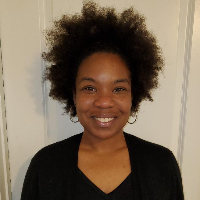
North Carolina · 15 yrs exp
Works with LGBT / Relationship / Family +8
Works by Attachment-Based Therapy / Client-Centered Therapy
View Profile
Florida · 16 yrs exp
Works with Stress, Anxiety / Relationship / Parenting +9
Works by Attachment-Based Therapy / Client-Centered Therapy
View Profile
Missouri · 25 yrs exp · 2 languages
Works with Anger / Self esteem / Depression +16
Works by Somatic Therapy / Client-Centered Therapy
View Profile
Florida · 16 yrs exp
Works with Stress, Anxiety / Trauma and abuse / Grief +11
Works by Acceptance and Commitment Therapy (ACT) / Attachment-Based Therapy
View Profile
New York · 25 yrs exp · 2 languages
Works with Stress, Anxiety / Trauma and abuse / Self esteem +12
Works by Cognitive Behavioral Therapy (CBT) / Dialectical Behavior Therapy (DBT)
View Profile
Florida · 21 yrs exp
Works with Stress, Anxiety / Relationship / Trauma and abuse +14
Works by Attachment-Based Therapy / Cognitive Behavioral Therapy (CBT)
View Profile
Illinois · 40 yrs exp
Works with Stress, Anxiety / Family / Parenting +10
Works by Attachment-Based Therapy / Client-Centered Therapy
View Profile
Louisiana · 28 yrs exp
Works with Stress, Anxiety / Family / Parenting +11
Works by Client-Centered Therapy / Cognitive Behavioral Therapy (CBT)
View ProfileFamily of origin issues refer to patterns, relationships, roles, and messages that you carry from the family in which you grew up. These influences can shape how you relate to partners, friends, children, work environments, and your own inner life. You might notice recurring conflicts, difficulty setting boundaries, a tendency to repeat relationship patterns, or strong emotional reactions that seem disproportionate to the present situation. Family dynamics can include overt problems such as abuse or neglect and subtler patterns like enmeshment, alliance shifts, or unspoken expectations about behavior and achievement.
When you look for an LCSW to help with family of origin matters, you are choosing clinicians whose professional training centers on the person-in-environment perspective. That perspective means they consider your internal experience alongside your living conditions - housing, employment, community connections, financial pressures, and interpersonal networks - rather than focusing on symptoms in isolation. LCSWs complete a master’s degree in social work, an extended period of supervised post-graduate clinical experience often around two to three years and several thousand hours depending on the state, and a clinical licensing examination. Licenses are issued and renewed by individual state boards, and scope of practice and title may vary from state to state.
Understanding the roots of your reactions can be freeing, and an LCSW’s approach to family of origin work typically blends attention to emotional patterns with practical life circumstances, such as caregiving roles or work-related stress that interact with family history.
There is no single sign that tells you therapy will help, but several common experiences suggest that exploring family of origin issues could be meaningful. You might find that certain interactions consistently trigger intense feelings - shame, rage, withdrawal, or helplessness - that are hard to explain. Relationships may repeatedly follow a pattern, like choosing partners who replicate parental dynamics or reacting to authority figures in ways that undermine your goals. You may also see that your parenting style is strongly influenced by how you were raised, and you want to make different choices for your children. Grief, estrangement from relatives, unresolved childhood trauma, or longstanding family secrets can leave you navigating complex emotions alone.
Other signs include difficulty with boundaries or decision-making in family contexts, feeling stuck in caretaking roles that drain you, or a belief that certain personal problems are simply "how things are" rather than patterns that can change. If day-to-day functioning - at work, in relationships, or in managing responsibilities - is affected by recurring family-derived patterns, targeted family of origin work with an LCSW can help you identify the connections between past and present and develop new ways of responding.
When you begin work with an LCSW on family of origin concerns, the earliest sessions usually involve getting to know your history and immediate context. You can expect a conversational intake where the clinician asks about your family background, major events, relationship history, and current life stressors. An LCSW will typically explore how living conditions - such as housing, employment, finances, and community supports - intersect with your emotional and relational patterns. That person-in-environment lens means the therapist may ask practical questions alongside emotional ones to form a fuller picture of what shapes your experience.
As therapy progresses, you and the LCSW will identify themes you want to work on and set goals that are meaningful to you. Some sessions focus on processing difficult memories and the emotions attached to them. Other sessions aim to recognize and interrupt habitual responses, so you can try new ways of communicating or self-regulating in relationships. Expect a mix of reflection about your past, present-focused strategies for navigating interactions, and attention to life circumstances that affect your ability to change. The pace and focus often shift depending on your needs; some people concentrate on repairing family ties, while others prioritize developing different relationship patterns or addressing how past dynamics affect their parenting, career, or mental health.
LCSWs on this directory list many different clinical approaches among the methods they use. You may find clinicians who list family systems, psychodynamic therapy, cognitive-behavioral approaches, narrative therapy, or trauma-informed methods among their approaches. When a therapist lists a particular approach, it indicates they use that framework in their work, but it is not a certification or guarantee of a specific outcome. Different approaches emphasize different things - family systems work looks at patterns across relationships, psychodynamic work explores long-standing emotional themes, cognitive-behavioral approaches focus on changing thoughts and behaviors, and narrative therapy examines the stories you tell about yourself. You can discuss with a clinician how their stated approaches might fit the kind of family of origin work you want to do.
Online sessions allow you to connect with an LCSW from the place where you live, which can be especially helpful if family patterns are intertwined with geographic or logistical constraints. When you work remotely, sessions typically happen through video or, in some cases, phone calls. Many people find that video therapy lets them maintain continuity of care across moves or reach clinicians who speak their language or have relevant cultural knowledge. Online sessions can make it easier to fit therapy around work or caregiving schedules, and they also allow you to bring insights directly into the environment where family interactions occur.
There are practical considerations to keep in mind for online work. You will want a personal, uninterrupted area for sessions and a reliable internet connection when using video. Some people prefer in-person contact for very acute situations or when nonverbal cues are essential, while others respond well to remote work. In either format, you can expect the LCSW to talk with you about how to handle crisis situations, preferred ways to communicate between sessions, and boundaries around documentation and record-keeping, all within the regulations of their licensing state. If you live in a different state from the clinician, keep in mind that state licensure determines where a clinician is authorized to practice, so it is helpful to confirm licensure details when you review a profile.
Finding the right clinician is a personal process. Start by looking for LCSWs who list family of origin issues among their focus areas and review their profiles for experience that matches your concerns. Pay attention to the populations they note, such as age groups, cultural or community expertise, or languages offered, since cultural context often shapes family dynamics. Compare the approaches they list to see which descriptions resonate with you, keeping in mind that a clinician’s listed approaches describe the frameworks they draw on rather than formal guarantees of training credentials in a specific technique.
Think about practical fit as well. Consider session length preferences, fee structure and insurance policies, whether you prefer remote or in-person meetings, and the clinician’s stated experience with issues similar to yours, such as intergenerational conflict, estrangement, trauma in childhood, or parenting patterns. You may also want to ask about the clinician’s experience with cultural, racial, or religious contexts relevant to your family. A good match often depends on feeling understood and on the therapist’s ability to weave attention to your life circumstances into the emotional work.
When you review profiles, look for clear descriptions of focus areas, approaches, languages, and professional background. That information can help you narrow your options before reaching out to a clinician for an initial conversation. Over time, you will get a sense of whether a clinician’s style and perspective support the changes you want to make in relationships and in how you carry your family history forward.
Family of origin work can be a deep and practical project. With an LCSW who brings a person-in-environment perspective, you can explore both the emotional narratives that shape your choices and the real-life conditions that enable or constrain change. Taking time to review clinician profiles and match for approach, experience, and cultural fit can help you find an LCSW whose practice aligns with how you want to work through family history and build different patterns going forward.
Alabama
26 therapists
Alaska
19 therapists
Arizona
115 therapists
Arkansas
68 therapists
California
989 therapists
Colorado
177 therapists
Connecticut
133 therapists
Delaware
42 therapists
District of Columbia
8 therapists
Florida
982 therapists
Georgia
268 therapists
Hawaii
39 therapists
Idaho
50 therapists
Illinois
450 therapists
Indiana
247 therapists
Iowa
9 therapists
Kansas
33 therapists
Kentucky
166 therapists
Louisiana
165 therapists
Maine
66 therapists
Maryland
29 therapists
Massachusetts
17 therapists
Michigan
43 therapists
Minnesota
16 therapists
Mississippi
86 therapists
Missouri
188 therapists
Montana
62 therapists
Nebraska
2 therapists
Nevada
71 therapists
New Hampshire
24 therapists
New Jersey
300 therapists
New Mexico
69 therapists
New York
659 therapists
North Carolina
441 therapists
North Dakota
12 therapists
Ohio
39 therapists
Oklahoma
87 therapists
Oregon
78 therapists
Pennsylvania
272 therapists
Rhode Island
4 therapists
South Carolina
45 therapists
South Dakota
2 therapists
Tennessee
134 therapists
Texas
617 therapists
Utah
121 therapists
Vermont
3 therapists
Virginia
232 therapists
Washington
20 therapists
West Virginia
9 therapists
Wisconsin
161 therapists
Wyoming
22 therapists