
Velma Jones, LCSW
New York · 29 yrs exp
Works with Stress, Anxiety / Relationship / Trauma and abuse +11
Works by Attachment-Based Therapy / Client-Centered Therapy
View ProfileThe therapist listings are provided by BetterHelp and we will earn a commission if you use our link - at no cost to you.
This directory features licensed LCSW clinicians across the United States who note experience working with prejudice and discrimination concerns. Each profile highlights focus areas, professional credentials, therapeutic approaches listed, languages, and background. Browse the listings below to explore clinicians who may match the support you want.
New York · 29 yrs exp
Works with Stress, Anxiety / Relationship / Trauma and abuse +11
Works by Attachment-Based Therapy / Client-Centered Therapy
View Profile
Colorado · 19 yrs exp · 2 languages
Works with Stress, Anxiety / Relationship / Trauma and abuse +13
Works by Somatic Therapy / Acceptance and Commitment Therapy (ACT)
View Profile
Texas · 13 yrs exp
Works with Stress, Anxiety / Relationship / Trauma and abuse +12
Works by Attachment-Based Therapy / Client-Centered Therapy
View Profile
North Carolina · 10 yrs exp
Works with Stress, Anxiety / Relationship / Family +17
Works by Acceptance and Commitment Therapy (ACT) / Client-Centered Therapy
View Profile
Mississippi · 23 yrs exp
Works with Stress, Anxiety / Grief / Anger +9
Works by Cognitive Behavioral Therapy (CBT) / Mindfulness Therapy
View Profile
Florida · 10 yrs exp
Works with Stress, Anxiety / Addictions / Family +9
Works by Client-Centered Therapy / Cognitive Behavioral Therapy (CBT)
View Profile
Texas · 21 yrs exp
Works with Stress, Anxiety / Relationship / Trauma and abuse +16
Works by Acceptance and Commitment Therapy (ACT) / Client-Centered Therapy
View Profile
Louisiana · 14 yrs exp
Works with Stress, Anxiety / Anger / Self esteem +10
View Profile
Louisiana · 38 yrs exp
Works with Stress, Anxiety / Relationship / Family +2
Works by Acceptance and Commitment Therapy (ACT) / Client-Centered Therapy
View Profile
Arkansas · 44 yrs exp
Works with Stress, Anxiety / Trauma and abuse / Grief +17
Works by Acceptance and Commitment Therapy (ACT) / Client-Centered Therapy
View Profile
California · 20 yrs exp
Works with Stress, Anxiety / Relationship / Family +16
Works by Cognitive Behavioral Therapy (CBT) / Motivational Interviewing
View Profile
Missouri · 35 yrs exp
Works with Stress, Anxiety / Trauma and abuse / Anger +14
Works by Acceptance and Commitment Therapy (ACT) / Client-Centered Therapy
View Profile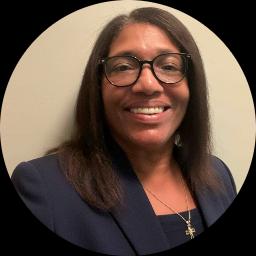
Mississippi · 36 yrs exp
Works with Family / Parenting / Anger +12
Works by Acceptance and Commitment Therapy (ACT) / Attachment-Based Therapy
View Profile
California · 7 yrs exp
Works with Stress, Anxiety / LGBT / Trauma and abuse +2
View Profile
Wyoming · 14 yrs exp
Works with Addictions / Relationship / Depression +12
Works by Client-Centered Therapy / Cognitive Behavioral Therapy (CBT)
View Profile
North Carolina · 8 yrs exp
Works with Stress, Anxiety / Trauma and abuse / Parenting +9
Works by Attachment-Based Therapy / Client-Centered Therapy
View Profile
New York · 25 yrs exp · 2 languages
Works with Stress, Anxiety / Grief / Anger +7
Works by Client-Centered Therapy / Cognitive Behavioral Therapy (CBT)
View Profile
Kentucky · 9 yrs exp
Works with Addictions / Relationship / Parenting +13
Works by Acceptance and Commitment Therapy (ACT) / Attachment-Based Therapy
View Profile
Texas · 6 yrs exp
Works with Stress, Anxiety / Relationship / Trauma and abuse +2
View Profile
Texas · 11 yrs exp
Works with Stress, Anxiety / Relationship / Trauma and abuse +6
Works by Acceptance and Commitment Therapy (ACT) / Client-Centered Therapy
View Profile
Florida · 32 yrs exp
Works with Stress, Anxiety / Trauma and abuse / Grief +15
Works by Acceptance and Commitment Therapy (ACT) / Client-Centered Therapy
View Profile
Montana · 20 yrs exp
Works with Stress, Anxiety / Addictions / Relationship +12
Works by Acceptance and Commitment Therapy (ACT) / Attachment-Based Therapy
View Profile
Colorado · 23 yrs exp
Works with Stress, Anxiety / Family / Trauma and abuse +10
Works by Psychodynamic Therapy
View Profile
Arizona · 40 yrs exp
Works with Stress, Anxiety / LGBT / Relationship +11
Works by Client-Centered Therapy / Cognitive Behavioral Therapy (CBT)
View Profile
North Carolina · 15 yrs exp
Works with LGBT / Relationship / Family +8
Works by Attachment-Based Therapy / Client-Centered Therapy
View Profile
Florida · 16 yrs exp
Works with Stress, Anxiety / Relationship / Parenting +9
Works by Attachment-Based Therapy / Client-Centered Therapy
View Profile
Missouri · 35 yrs exp
Works with Stress, Anxiety / Relationship / Family +12
Works by Client-Centered Therapy / Cognitive Behavioral Therapy (CBT)
View Profile
Missouri · 25 yrs exp · 2 languages
Works with Anger / Self esteem / Depression +16
Works by Somatic Therapy / Client-Centered Therapy
View Profile
Florida · 16 yrs exp
Works with Stress, Anxiety / Trauma and abuse / Grief +11
Works by Acceptance and Commitment Therapy (ACT) / Attachment-Based Therapy
View Profile
Arizona · 10 yrs exp
Works with Stress, Anxiety / Self esteem / Bipolar +11
Works by Acceptance and Commitment Therapy (ACT) / Attachment-Based Therapy
View Profile
New Mexico · 4 yrs exp
Works with Stress, Anxiety / Relationship / Trauma and abuse +12
Works by Client-Centered Therapy / Cognitive Behavioral Therapy (CBT)
View Profile
Louisiana · 30 yrs exp
Works with Stress, Anxiety / Family / Trauma and abuse +17
Works by Client-Centered Therapy / Cognitive Behavioral Therapy (CBT)
View Profile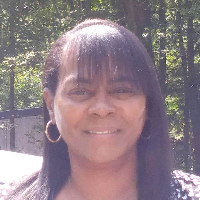
New York · 20 yrs exp
Works with Stress, Anxiety / Addictions / Relationship +10
Works by Client-Centered Therapy / Cognitive Behavioral Therapy (CBT)
View Profile
Mississippi · 51 yrs exp
Works with Stress, Anxiety / Relationship / Self esteem +16
Works by Acceptance and Commitment Therapy (ACT) / Attachment-Based Therapy
View Profile
Pennsylvania · 10 yrs exp
Works with Stress, Anxiety / Addictions / LGBT +15
Works by Acceptance and Commitment Therapy (ACT) / Attachment-Based Therapy
View Profile
Louisiana · 30 yrs exp
Works with Stress, Anxiety / Relationship / Family +15
Works by Client-Centered Therapy / Cognitive Behavioral Therapy (CBT)
View Profile
Florida · 42 yrs exp
Works with Stress, Anxiety / Addictions / Relationship +16
Works by Somatic Therapy / Acceptance and Commitment Therapy (ACT)
View Profile
Georgia · 7 yrs exp
Works with Stress, Anxiety / Trauma and abuse / Self esteem +11
Works by Acceptance and Commitment Therapy (ACT) / Attachment-Based Therapy
View Profile
Texas · 16 yrs exp
Works with Stress, Anxiety / Relationship / Family +14
Works by Somatic Therapy / Acceptance and Commitment Therapy (ACT)
View Profile
New York · 30 yrs exp
Works with Stress, Anxiety / Addictions / Relationship +13
Works by Client-Centered Therapy / Cognitive Behavioral Therapy (CBT)
View Profile
Missouri · 21 yrs exp
Works with Stress, Anxiety / Relationship / Trauma and abuse +11
Works by Client-Centered Therapy / Cognitive Behavioral Therapy (CBT)
View Profile
Utah · 20 yrs exp
Works with Stress, Anxiety / Addictions / Relationship +12
Works by Client-Centered Therapy / Cognitive Behavioral Therapy (CBT)
View Profile
Wisconsin · 20 yrs exp
Works with Stress, Anxiety / Relationship / Trauma and abuse +16
Works by Attachment-Based Therapy / Client-Centered Therapy
View Profile
Texas · 24 yrs exp · 2 languages
Works with Stress, Anxiety / LGBT / Self esteem +14
Works by Acceptance and Commitment Therapy (ACT) / Client-Centered Therapy
View Profile
Pennsylvania · 25 yrs exp
Works with Stress, Anxiety / Addictions / LGBT +15
Works by Acceptance and Commitment Therapy (ACT) / Client-Centered Therapy
View Profile
Florida · 18 yrs exp
Works with Stress, Anxiety / Addictions / Relationship +7
Works by Client-Centered Therapy / Cognitive Behavioral Therapy (CBT)
View Profile
Georgia · 3 yrs exp · 3 languages
Works with Stress, Anxiety / Relationship / Family +8
Works by Acceptance and Commitment Therapy (ACT) / Client-Centered Therapy
View Profile
Florida · 40 yrs exp
Works with Stress, Anxiety / Addictions / LGBT +4
Works by Acceptance and Commitment Therapy (ACT) / Client-Centered Therapy
View ProfilePrejudice and discrimination refer to attitudes, behaviors, and systems that treat people unfairly because of aspects of their identity - such as race, ethnicity, gender, sexual orientation, religion, disability, immigration status, or other differences. While prejudice is often expressed as biased thoughts or feelings, discrimination describes actions or policies that disadvantage people. Both can take overt and subtle forms and can accumulate over time. The impact is not only social; it can shape your everyday experience of work, relationships, economic opportunity, and physical safety.
When you experience prejudice or discrimination, responses often include increased stress, hypervigilance, feelings of exclusion, anger, grief, or diminished self-worth. Those effects can ripple through family and community life and can influence housing, employment, education, and access to services. Social work training emphasizes the person-in-environment perspective, which means an LCSW will look at how your external circumstances - housing, work, finances, family obligations, community context, and access to care - interact with your internal reactions. That broader lens helps identify both personal coping resources and structural or practical barriers that affect well-being.
You might consider talking with an LCSW if experiences of bias are affecting your mood, relationships, or daily functioning. Common indicators include persistent anxiety or sleep problems tied to incidents of discrimination, avoidance of certain places or people, escalating conflict in personal relationships, or difficulty concentrating at work or school because of identity-related stress. You may also notice longer-term effects such as increased withdrawal, a sense of identity confusion, or a cycle of internalized stigma that feels difficult to shift on your own.
Because LCSWs are licensed clinicians with master's-level education and supervised clinical experience, they can help you navigate both emotional responses and practical needs. If the effects of prejudice are entangled with housing instability, job challenges, legal questions, or caregiving responsibilities, an LCSW's training in systems and advocacy can make it easier to address external pressures alongside emotional work. You do not need a diagnosis to seek help; many people reach out when the emotional toll becomes constant or when they want tools to respond differently to ongoing stressors.
In early sessions you and the LCSW will typically discuss the issues that brought you in, your current circumstances, and the goals you want to work toward. Expect a collaborative conversation about how prejudice and discrimination have affected different parts of your life. Sessions often explore immediate coping strategies for acute stress, as well as deeper patterns that may be sustaining anxiety, depression, or relationship strain. Because social work training integrates attention to environment and resources, you may also talk about practical steps - for example, connecting with community supports, navigating workplace policies, or accessing housing or financial resources - alongside emotional processing.
Therapists on this directory list a variety of approaches among their methods. You may find clinicians who list cognitive-behavioral strategies that focus on thoughts and behaviors, narrative approaches that explore the stories you tell about yourself and your identity, trauma-informed frameworks that prioritize safety and pacing, or culturally responsive methods that center identity and community context. When a profile mentions a particular approach, it indicates that the therapist notes it among their approaches rather than a certification. Sessions generally blend emotional support, skills training, meaning-making, and practical problem-solving so you can build resilience and address real-world barriers.
Online sessions can make it easier to access an LCSW who shares cultural knowledge, language skills, or experience with identity-based issues, even if that clinician practices in a different city or state. Many people find that remote sessions remove logistical barriers such as travel time and childcare challenges, and they allow you to choose a clinician whose background and approach feel comfortable to you. If you are in a location with limited local options for culturally informed care, online work can broaden your choices without asking you to relocate.
When you work online, you and the clinician will agree on practical details like session length, communication methods, and what to do in an emergency. Because LCSW licenses are issued by state boards and scope of practice varies by state, therapists list their licensing state on profiles; that information can help you understand how care will be regulated. Online work often includes the same person-in-environment focus as in-person care, with attention to how your home, workplace, and community shape experiences of prejudice. Some people prefer video sessions to maintain face-to-face contact, while others choose phone or chat for reasons of comfort and access. You can consider these format differences when reading profiles to sense whether a clinician's typical way of working fits your needs.
Start by looking for clinicians who explicitly note interest or experience with prejudice and discrimination in their profiles. Focus on the details the therapist shares - the populations they mention, languages they speak, and the settings where they have practiced. Pay attention to the professional information provided: an LCSW has completed a master's degree in social work, followed by a state-determined period of supervised post-graduate clinical experience - commonly around two to three years and several thousand hours - and has passed a clinical licensing examination. Licenses are issued and renewed by state boards, and titles and scope of practice can vary by state.
When comparing profiles, think about which elements matter most to you. You may value a clinician who emphasizes community and systemic context, given the person-in-environment focus of social work. You might prefer someone who lists experience with identity-related work, trauma-informed language, or specific populations similar to your own. Language match can be important if you want to discuss experiences in your first language. Consider experience in settings that reflect your needs - for example, community mental health, hospital social work, school-based practice, or advocacy organizations - because that background can inform how an LCSW supports both emotional and practical concerns.
Finally, it can help to prepare a short list of priorities to guide your search. Reflect on what outcomes you want - such as managing anxiety after discrimination, processing identity-based trauma, repairing relationships affected by bias, or navigating workplace and legal systems. Use the profile details to identify clinicians who speak to those priorities. Keep in mind that the listings show professional information that helps you assess fit; you're selecting based on focus areas, approaches they list, credentials, languages, and experience rather than on claims about outcomes or appointment status.
Alabama
26 therapists
Alaska
19 therapists
Arizona
115 therapists
Arkansas
68 therapists
California
989 therapists
Colorado
177 therapists
Connecticut
133 therapists
Delaware
42 therapists
District of Columbia
8 therapists
Florida
982 therapists
Georgia
268 therapists
Hawaii
39 therapists
Idaho
50 therapists
Illinois
450 therapists
Indiana
247 therapists
Iowa
9 therapists
Kansas
33 therapists
Kentucky
166 therapists
Louisiana
165 therapists
Maine
66 therapists
Maryland
29 therapists
Massachusetts
17 therapists
Michigan
43 therapists
Minnesota
16 therapists
Mississippi
86 therapists
Missouri
188 therapists
Montana
62 therapists
Nebraska
2 therapists
Nevada
71 therapists
New Hampshire
24 therapists
New Jersey
300 therapists
New Mexico
69 therapists
New York
659 therapists
North Carolina
441 therapists
North Dakota
12 therapists
Ohio
39 therapists
Oklahoma
87 therapists
Oregon
78 therapists
Pennsylvania
272 therapists
Rhode Island
4 therapists
South Carolina
45 therapists
South Dakota
2 therapists
Tennessee
134 therapists
Texas
617 therapists
Utah
121 therapists
Vermont
3 therapists
Virginia
232 therapists
Washington
20 therapists
West Virginia
9 therapists
Wisconsin
161 therapists
Wyoming
22 therapists