
Velma Jones, LCSW
New York · 29 yrs exp
Works with Stress, Anxiety / Relationship / Trauma and abuse +11
Works by Attachment-Based Therapy / Client-Centered Therapy
View ProfileThe therapist listings are provided by BetterHelp and we will earn a commission if you use our link - at no cost to you.
On this page you will find licensed LCSW therapists who list social anxiety and phobia as a focus area. Browse profiles below to compare their stated approaches, languages, and experience as you consider next steps.
New York · 29 yrs exp
Works with Stress, Anxiety / Relationship / Trauma and abuse +11
Works by Attachment-Based Therapy / Client-Centered Therapy
View Profile
Louisiana · 15 yrs exp
Works with Stress, Anxiety / Relationship / Family +13
Works by Acceptance and Commitment Therapy (ACT) / Attachment-Based Therapy
View Profile
Colorado · 19 yrs exp · 2 languages
Works with Stress, Anxiety / Relationship / Trauma and abuse +13
Works by Somatic Therapy / Acceptance and Commitment Therapy (ACT)
View Profile
Texas · 13 yrs exp
Works with Stress, Anxiety / Relationship / Trauma and abuse +12
Works by Attachment-Based Therapy / Client-Centered Therapy
View Profile
New Jersey · 15 yrs exp
Works with Stress, Anxiety / Family / Trauma and abuse +11
Works by Cognitive Behavioral Therapy (CBT) / Psychodynamic Therapy
View Profile
Oregon · 26 yrs exp
Works with Stress, Anxiety / Trauma and abuse / Grief +11
Works by Somatic Therapy / Acceptance and Commitment Therapy (ACT)
View Profile
South Carolina · 14 yrs exp
Works with Stress, Anxiety / Parenting / Depression +15
Works by Client-Centered Therapy / Solution-Focused Therapy
View Profile
New York · 25 yrs exp · 2 languages
Works with Stress, Anxiety / Addictions / Trauma and abuse +12
Works by Client-Centered Therapy / Cognitive Behavioral Therapy (CBT)
View Profile
Missouri · 16 yrs exp
Works with Stress, Anxiety / Trauma and abuse / Self esteem +13
Works by Client-Centered Therapy / Cognitive Behavioral Therapy (CBT)
View Profile
North Carolina · 10 yrs exp
Works with Stress, Anxiety / Relationship / Family +17
Works by Acceptance and Commitment Therapy (ACT) / Client-Centered Therapy
View Profile
New York · 35 yrs exp
Works with Stress, Anxiety / Self esteem / Career +11
Works by Client-Centered Therapy / Mindfulness Therapy
View Profile
Kentucky · 10 yrs exp
Works with Stress, Anxiety / Family / Self esteem +13
Works by Acceptance and Commitment Therapy (ACT) / Client-Centered Therapy
View Profile
Mississippi · 23 yrs exp
Works with Stress, Anxiety / Grief / Anger +9
Works by Cognitive Behavioral Therapy (CBT) / Mindfulness Therapy
View Profile
Florida · 10 yrs exp
Works with Stress, Anxiety / Addictions / Family +9
Works by Client-Centered Therapy / Cognitive Behavioral Therapy (CBT)
View Profile
Texas · 21 yrs exp
Works with Stress, Anxiety / Relationship / Trauma and abuse +16
Works by Acceptance and Commitment Therapy (ACT) / Client-Centered Therapy
View Profile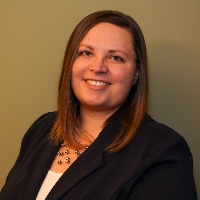
Illinois · 12 yrs exp
Works with Stress, Anxiety / Trauma and abuse / Parenting +13
Works by Client-Centered Therapy / Cognitive Behavioral Therapy (CBT)
View Profile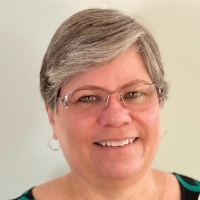
Florida · 22 yrs exp
Works with Stress, Anxiety / Self esteem / Depression +6
Works by Acceptance and Commitment Therapy (ACT) / Client-Centered Therapy
View Profile
Illinois · 25 yrs exp
Works with Stress, Anxiety / Self esteem / Career +11
Works by Client-Centered Therapy / Cognitive Behavioral Therapy (CBT)
View Profile
Florida · 30 yrs exp
Works with Stress, Anxiety / Relationship / Intimacy-related issues +9
Works by Client-Centered Therapy / Cognitive Behavioral Therapy (CBT)
View Profile
New Jersey · 8 yrs exp
Works with Stress, Anxiety / Relationship / Trauma and abuse +15
Works by Acceptance and Commitment Therapy (ACT) / Attachment-Based Therapy
View Profile
Louisiana · 14 yrs exp
Works with Stress, Anxiety / Anger / Self esteem +10
View Profile
Mississippi · 12 yrs exp
Works with Stress, Anxiety / Addictions / Anger +13
Works by Client-Centered Therapy / Cognitive Behavioral Therapy (CBT)
View Profile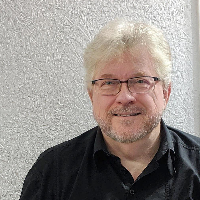
Tennessee · 35 yrs exp
Works with Stress, Anxiety / Grief / Self esteem +9
Works by Acceptance and Commitment Therapy (ACT) / Client-Centered Therapy
View Profile
Virginia · 31 yrs exp
Works with Stress, Anxiety / Relationship / Family +13
Works by Attachment-Based Therapy / Client-Centered Therapy
View Profile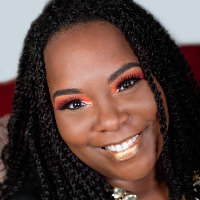
North Carolina · 30 yrs exp
Works with LGBT / Relationship / Family +14
Works by Acceptance and Commitment Therapy (ACT) / Attachment-Based Therapy
View Profile
Georgia · 25 yrs exp
Works with Stress, Anxiety / Parenting / Anger +16
Works by Attachment-Based Therapy / Client-Centered Therapy
View Profile
North Carolina · 30 yrs exp
Works with Stress, Anxiety / Relationship / Family +11
Works by Client-Centered Therapy / Cognitive Behavioral Therapy (CBT)
View Profile
Florida · 14 yrs exp
Works with Stress, Anxiety / Trauma and abuse / Grief +14
Works by Cognitive Behavioral Therapy (CBT) / Dialectical Behavior Therapy (DBT)
View Profile
Texas · 20 yrs exp
Works with Stress, Anxiety / Addictions / Family +16
Works by Client-Centered Therapy / Cognitive Behavioral Therapy (CBT)
View Profile
Florida · 25 yrs exp
Works with Stress, Anxiety / Trauma and abuse / Parenting +15
Works by Client-Centered Therapy / Cognitive Behavioral Therapy (CBT)
View Profile
Florida · 10 yrs exp
Works with Stress, Anxiety / Trauma and abuse / Grief +13
Works by Client-Centered Therapy / Cognitive Behavioral Therapy (CBT)
View Profile
Pennsylvania · 25 yrs exp
Works with Stress, Anxiety / Family / Grief +2
Works by Client-Centered Therapy / Cognitive Behavioral Therapy (CBT)
View Profile
Illinois · 20 yrs exp
Works with Stress, Anxiety / Grief / Self esteem +12
Works by Client-Centered Therapy / Cognitive Behavioral Therapy (CBT)
View Profile
Michigan · 24 yrs exp
Works with Stress, Anxiety / Addictions / Relationship +2
Works by Client-Centered Therapy / Cognitive Behavioral Therapy (CBT)
View Profile
Delaware · 28 yrs exp · 2 languages
Works with Stress, Anxiety / Family / Self esteem +12
Works by Acceptance and Commitment Therapy (ACT) / Client-Centered Therapy
View Profile
Alaska · 11 yrs exp
Works with Stress, Anxiety / Relationship / Family +10
Works by Client-Centered Therapy / Cognitive Behavioral Therapy (CBT)
View Profile
Arkansas · 44 yrs exp
Works with Stress, Anxiety / Trauma and abuse / Grief +17
Works by Acceptance and Commitment Therapy (ACT) / Client-Centered Therapy
View Profile
Missouri · 35 yrs exp
Works with Stress, Anxiety / Trauma and abuse / Anger +14
Works by Acceptance and Commitment Therapy (ACT) / Client-Centered Therapy
View Profile
North Carolina · 16 yrs exp
Works with Stress, Anxiety / Addictions / Trauma and abuse +14
Works by Acceptance and Commitment Therapy (ACT) / Client-Centered Therapy
View Profile
New Mexico · 20 yrs exp
Works with Stress, Anxiety / Self esteem / Bipolar +9
Works by Acceptance and Commitment Therapy (ACT) / Client-Centered Therapy
View Profile
Texas · 5 yrs exp
Works with Stress, Anxiety / Relationship / Family +10
View Profile
Mississippi · 36 yrs exp
Works with Family / Parenting / Anger +12
Works by Acceptance and Commitment Therapy (ACT) / Attachment-Based Therapy
View Profile
Florida · 28 yrs exp · 3 languages
Works with Stress, Anxiety / Addictions / Trauma and abuse +14
Works by Acceptance and Commitment Therapy (ACT) / Attachment-Based Therapy
View Profile
New York · 14 yrs exp
Works with Stress, Anxiety / Relationship / Trauma and abuse +6
Works by Acceptance and Commitment Therapy (ACT) / Client-Centered Therapy
View Profile
California · 7 yrs exp
Works with Stress, Anxiety / LGBT / Trauma and abuse +2
View Profile
Colorado · 15 yrs exp
Works with Stress, Anxiety / Grief / Depression +11
Works by Acceptance and Commitment Therapy (ACT) / Client-Centered Therapy
View Profile
Wyoming · 14 yrs exp
Works with Addictions / Relationship / Depression +12
Works by Client-Centered Therapy / Cognitive Behavioral Therapy (CBT)
View Profile
North Carolina · 8 yrs exp
Works with Stress, Anxiety / Trauma and abuse / Parenting +9
Works by Attachment-Based Therapy / Client-Centered Therapy
View ProfileSocial anxiety and specific phobias are related but distinct ways intense fear can shape everyday life. Social anxiety commonly involves persistent worry about being judged, watched, embarrassed, or humiliated in social situations. You might avoid conversations, public speaking, dating, or workplace interactions because of fear about how you appear to others. Specific phobias are intense fears tied to particular things or situations - for example, a fear of public speaking, enclosed spaces, or crowds - that lead you to limit activities or endure them with marked distress.
These challenges can show up as physical responses such as rapid heartbeat, sweating, trembling, or gastrointestinal upset when you face feared situations. They can also influence your routines, work, schooling, relationships, or how you spend your free time. An LCSW is a licensed clinical social worker who combines clinical training with attention to the social and environmental context that shapes symptoms. That person-in-environment perspective means an LCSW will typically look at housing, work, family, finances, community supports, and access to care alongside your internal experience.
If worries about social situations or certain environments interfere with the things you want to do, it may be worth talking with a clinician. You might notice you often turn down invitations, call in sick, avoid meetings, or choose jobs and activities that reduce social contact. Rehearsing conversations, checking how you appeared afterward, or replaying interactions in your head are common patterns that people describe when social anxiety is present.
People with phobias often go out of their way to prevent exposure to the feared object or situation. Avoidance can feel effective in the short term but tends to reinforce fear over time. If avoidance, distress, or physical symptoms are limiting your life, an LCSW can help you explore how these reactions developed and what might help. Because LCSWs are licensed clinicians who complete a master's degree in social work, a state-set period of supervised post-graduate clinical experience (commonly two to three years and several thousand hours, depending on the state), and a clinical licensing examination, they are qualified to provide psychotherapy and to consider how your environment contributes to your patterns.
When you begin meeting with an LCSW about social anxiety or a phobia, the initial sessions will usually focus on understanding your experience and priorities. You will likely be invited to describe specific situations that provoke fear, how you typically respond, and what you would like to change. Many LCSWs balance listening to your story with structured assessment so they can identify what is most pressing and what strengths you already have.
Ongoing sessions often include skill-building, behavioral experiments, and exploration of patterns that maintain anxiety. You may work on gradual exposures to feared situations, learn techniques to reduce physiological arousal, or practice coping strategies in session before trying them in everyday life. Because LCSWs consider your broader circumstances, expect conversations about how work, family demands, housing, transportation, and access to social supports influence what is realistic for you. Together you and your clinician will set goals that fit your life and resources.
On therapist profiles you will encounter names of approaches and modalities. Those labels describe what clinicians list on their profiles, not a guarantee of specific training or outcomes. You might see cognitive-behavioral therapy referenced as an approach; many clinicians list CBT among their approaches, and that typically involves identifying anxious thoughts and testing them against real-life evidence. Exposure-based work is another approach you may notice listed - therapists who list exposure among their approaches focus on helping clients gradually face feared situations in a planned, supported way.
Other approaches you may find on profiles include acceptance-based methods, mindfulness-informed approaches, psychodynamic perspectives, and interpersonal work. When a clinician lists interpersonal approaches, they are indicating they pay attention to relationship patterns and communication, which can be important when social anxiety shows up in your closest relationships. Because the directory lists LCSW credentials specifically, you can also expect many entries to reflect a social work orientation that foregrounds life circumstances and practical supports. Reading profile notes alongside approach names can help you form a clearer picture of how a clinician frames social anxiety.
Online therapy has become an important option for people seeking help with social anxiety or phobias, especially when travel, mobility, or local service availability are barriers. With online sessions, you meet a licensed LCSW by video or phone from a location that works for you. This format can make it easier to arrange regular appointments, and in some cases to practice exposures in real-world settings with direct support from your clinician. Many people use video sessions to rehearse social interactions, role-play challenging conversations, or conduct gradual exposure that begins in the safety of the virtual session and extends into everyday life.
Therapists vary in how they integrate online work with in-person supports. Some LCSWs who list online or telehealth among their approaches will also discuss how to manage technology, privacy, and boundaries for remote sessions. When you consider online care, think about where you will take sessions so you can speak freely, how you will handle interruptions, and whether you have a reliable internet connection or phone access. Discussing these practical details with a clinician at the start of care helps you get the most from remote sessions and ensures the work you do aligns with your daily routines and environment.
Finding the right clinician is partly about fit and partly about practical match. Start by noting whether an LCSW lists social anxiety, social phobia, or specific phobias among their focus areas. Compare the approaches they list and read any profile descriptions to see how they describe working with social fears. Because LCSWs emphasize the person-in-environment perspective, look for notes about how they incorporate work, family, housing, or community supports if those factors matter to you.
Consider the languages a clinician lists, their years of experience, and any particular populations they mention working with. If cultural background, identity, age, or life stage is important, pay attention to how clinicians mention those aspects in their profiles. You may also want to note whether a clinician describes offering skill-based, exposure-focused, or relationship-oriented work, and whether they mention collaborating with other providers when appropriate. Comparing focus areas, approaches, credentials, languages, and experience will help you identify clinicians whose orientation aligns with your goals.
When you connect with a clinician, the first conversations are an opportunity to see whether their style and priorities match yours. Good questions to bring to that first conversation include how they typically structure work on social anxiety, what kinds of goals they prioritize, and how they track progress. An LCSW's training in both clinical skills and social context can make them a practical partner for addressing social anxiety and phobia in ways that fit your life circumstances.
Social anxiety and phobia can feel isolating, but many people find meaningful change through structured clinical work that addresses thoughts, behaviors, and life circumstances together. Licensed LCSW clinicians bring a licensed clinical background and a focus on environmental context that can be especially helpful if social, economic, or community factors influence your experience. Take time to review profiles, note the approaches and populations that resonate with you, and choose a clinician whose style and perspective align with the outcomes you want to pursue.
Alabama
26 therapists
Alaska
19 therapists
Arizona
115 therapists
Arkansas
68 therapists
California
989 therapists
Colorado
177 therapists
Connecticut
133 therapists
Delaware
42 therapists
District of Columbia
8 therapists
Florida
982 therapists
Georgia
268 therapists
Hawaii
39 therapists
Idaho
50 therapists
Illinois
450 therapists
Indiana
247 therapists
Iowa
9 therapists
Kansas
33 therapists
Kentucky
166 therapists
Louisiana
165 therapists
Maine
66 therapists
Maryland
29 therapists
Massachusetts
17 therapists
Michigan
43 therapists
Minnesota
16 therapists
Mississippi
86 therapists
Missouri
188 therapists
Montana
62 therapists
Nebraska
2 therapists
Nevada
71 therapists
New Hampshire
24 therapists
New Jersey
300 therapists
New Mexico
69 therapists
New York
659 therapists
North Carolina
441 therapists
North Dakota
12 therapists
Ohio
39 therapists
Oklahoma
87 therapists
Oregon
78 therapists
Pennsylvania
272 therapists
Rhode Island
4 therapists
South Carolina
45 therapists
South Dakota
2 therapists
Tennessee
134 therapists
Texas
617 therapists
Utah
121 therapists
Vermont
3 therapists
Virginia
232 therapists
Washington
20 therapists
West Virginia
9 therapists
Wisconsin
161 therapists
Wyoming
22 therapists