
Kelley Sullivan, LCSW
Colorado · 19 yrs exp · 2 languages
Works with Stress, Anxiety / Relationship / Trauma and abuse +13
Works by Somatic Therapy / Acceptance and Commitment Therapy (ACT)
View ProfileThe therapist listings are provided by BetterHelp and we will earn a commission if you use our link - at no cost to you.
This page lists licensed LCSWs who indicate foster care as a focus area, including work with children, teenagers, parents, and caregivers. Listings let visitors review clinician profiles, stated focus areas, languages, and years of experience. Browse the results below to learn more about practitioners who work with foster care-related challenges.
Colorado · 19 yrs exp · 2 languages
Works with Stress, Anxiety / Relationship / Trauma and abuse +13
Works by Somatic Therapy / Acceptance and Commitment Therapy (ACT)
View Profile
Texas · 13 yrs exp
Works with Stress, Anxiety / Relationship / Trauma and abuse +12
Works by Attachment-Based Therapy / Client-Centered Therapy
View Profile
North Carolina · 10 yrs exp
Works with Stress, Anxiety / Relationship / Family +17
Works by Acceptance and Commitment Therapy (ACT) / Client-Centered Therapy
View Profile
New York · 35 yrs exp
Works with Stress, Anxiety / Self esteem / Career +11
Works by Client-Centered Therapy / Mindfulness Therapy
View Profile
Texas · 21 yrs exp
Works with Stress, Anxiety / Relationship / Trauma and abuse +16
Works by Acceptance and Commitment Therapy (ACT) / Client-Centered Therapy
View Profile
Illinois · 12 yrs exp
Works with Stress, Anxiety / Trauma and abuse / Parenting +13
Works by Client-Centered Therapy / Cognitive Behavioral Therapy (CBT)
View Profile
Louisiana · 14 yrs exp
Works with Stress, Anxiety / Anger / Self esteem +10
View Profile
North Carolina · 30 yrs exp
Works with LGBT / Relationship / Family +14
Works by Acceptance and Commitment Therapy (ACT) / Attachment-Based Therapy
View Profile
North Carolina · 30 yrs exp
Works with Stress, Anxiety / Relationship / Family +11
Works by Client-Centered Therapy / Cognitive Behavioral Therapy (CBT)
View Profile
Florida · 14 yrs exp
Works with Stress, Anxiety / Trauma and abuse / Grief +14
Works by Cognitive Behavioral Therapy (CBT) / Dialectical Behavior Therapy (DBT)
View Profile
Texas · 20 yrs exp
Works with Stress, Anxiety / Addictions / Family +16
Works by Client-Centered Therapy / Cognitive Behavioral Therapy (CBT)
View Profile
Delaware · 28 yrs exp · 2 languages
Works with Stress, Anxiety / Family / Self esteem +12
Works by Acceptance and Commitment Therapy (ACT) / Client-Centered Therapy
View Profile
California · 20 yrs exp
Works with Stress, Anxiety / Relationship / Family +16
Works by Cognitive Behavioral Therapy (CBT) / Motivational Interviewing
View Profile
Mississippi · 36 yrs exp
Works with Family / Parenting / Anger +12
Works by Acceptance and Commitment Therapy (ACT) / Attachment-Based Therapy
View Profile
Florida · 28 yrs exp · 3 languages
Works with Stress, Anxiety / Addictions / Trauma and abuse +14
Works by Acceptance and Commitment Therapy (ACT) / Attachment-Based Therapy
View Profile
California · 7 yrs exp
Works with Stress, Anxiety / LGBT / Trauma and abuse +2
View Profile
Texas · 6 yrs exp
Works with Addictions / Trauma and abuse / Parenting +7
Works by Acceptance and Commitment Therapy (ACT) / Client-Centered Therapy
View Profile
New York · 25 yrs exp · 2 languages
Works with Stress, Anxiety / Grief / Anger +7
Works by Client-Centered Therapy / Cognitive Behavioral Therapy (CBT)
View Profile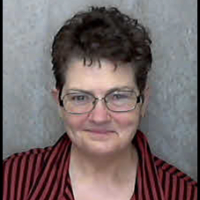
Texas · 35 yrs exp
Works with Stress, Anxiety / Relationship / Family +15
Works by Attachment-Based Therapy / Client-Centered Therapy
View Profile
North Dakota · 10 yrs exp
Works with Stress, Anxiety / Relationship / Family +11
Works by Somatic Therapy / Acceptance and Commitment Therapy (ACT)
View Profile
Texas · 25 yrs exp
Works with Relationship / Family / Self esteem +2
View Profile
New York · 25 yrs exp
Works with Stress, Anxiety / Relationship / Family +16
Works by Acceptance and Commitment Therapy (ACT) / Client-Centered Therapy
View Profile
Illinois · 3 yrs exp
Works with Stress, Anxiety / Addictions / LGBT +11
Works by Cognitive Behavioral Therapy (CBT) / Solution-Focused Therapy
View Profile
Montana · 20 yrs exp
Works with Stress, Anxiety / Addictions / Relationship +12
Works by Acceptance and Commitment Therapy (ACT) / Attachment-Based Therapy
View Profile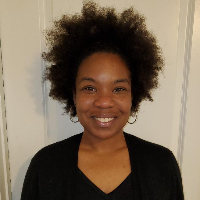
North Carolina · 15 yrs exp
Works with LGBT / Relationship / Family +8
Works by Attachment-Based Therapy / Client-Centered Therapy
View Profile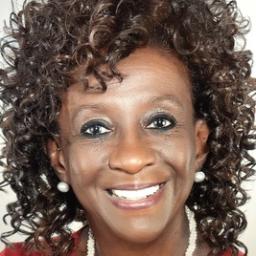
Louisiana · 32 yrs exp
Works with Stress, Anxiety / Relationship / Family +12
Works by Cognitive Behavioral Therapy (CBT) / Dialectical Behavior Therapy (DBT)
View Profile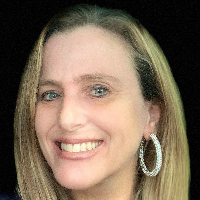
Florida · 20 yrs exp
Works with Stress, Anxiety / Relationship / Family +7
Works by Client-Centered Therapy / Mindfulness Therapy
View Profile
Missouri · 25 yrs exp · 2 languages
Works with Anger / Self esteem / Depression +16
Works by Somatic Therapy / Client-Centered Therapy
View Profile
Florida · 16 yrs exp
Works with Stress, Anxiety / Trauma and abuse / Grief +11
Works by Acceptance and Commitment Therapy (ACT) / Attachment-Based Therapy
View Profile
New Mexico · 4 yrs exp
Works with Stress, Anxiety / Relationship / Trauma and abuse +12
Works by Client-Centered Therapy / Cognitive Behavioral Therapy (CBT)
View Profile
Illinois · 40 yrs exp
Works with Stress, Anxiety / Family / Parenting +10
Works by Attachment-Based Therapy / Client-Centered Therapy
View Profile
Louisiana · 28 yrs exp
Works with Stress, Anxiety / Family / Parenting +11
Works by Client-Centered Therapy / Cognitive Behavioral Therapy (CBT)
View Profile
Florida · 5 yrs exp
Works with Stress, Anxiety / LGBT / Trauma and abuse +11
Works by Somatic Therapy / Acceptance and Commitment Therapy (ACT)
View Profile
Utah · 18 yrs exp
Works with Stress, Anxiety / Relationship / Grief +11
Works by Client-Centered Therapy / Motivational Interviewing
View Profile
Mississippi · 51 yrs exp
Works with Stress, Anxiety / Relationship / Self esteem +16
Works by Acceptance and Commitment Therapy (ACT) / Attachment-Based Therapy
View Profile
North Carolina · 3 yrs exp
Works with Stress, Anxiety / Anger / Self esteem +6
Works by Client-Centered Therapy / Cognitive Behavioral Therapy (CBT)
View Profile
Louisiana · 30 yrs exp
Works with Stress, Anxiety / Relationship / Family +15
Works by Client-Centered Therapy / Cognitive Behavioral Therapy (CBT)
View Profile
Florida · 42 yrs exp
Works with Stress, Anxiety / Addictions / Relationship +16
Works by Somatic Therapy / Acceptance and Commitment Therapy (ACT)
View Profile
Georgia · 7 yrs exp
Works with Stress, Anxiety / Trauma and abuse / Self esteem +11
Works by Acceptance and Commitment Therapy (ACT) / Attachment-Based Therapy
View Profile
Texas · 16 yrs exp
Works with Stress, Anxiety / Relationship / Family +14
Works by Somatic Therapy / Acceptance and Commitment Therapy (ACT)
View Profile
Missouri · 3 yrs exp
Works with Family / Trauma and abuse / Parenting +9
Works by Client-Centered Therapy / Solution-Focused Therapy
View Profile
Missouri · 21 yrs exp
Works with Stress, Anxiety / Relationship / Trauma and abuse +11
Works by Client-Centered Therapy / Cognitive Behavioral Therapy (CBT)
View Profile
Missouri · 5 yrs exp
Works with Family / Trauma and abuse / Parenting +13
Works by Acceptance and Commitment Therapy (ACT) / Client-Centered Therapy
View Profile
Missouri · 12 yrs exp
Works with Stress, Anxiety / Relationship / Grief +11
Works by Acceptance and Commitment Therapy (ACT) / Attachment-Based Therapy
View Profile
Illinois · 37 yrs exp
Works with Stress, Anxiety / Family / Anger +12
Works by Client-Centered Therapy / Solution-Focused Therapy
View Profile
North Carolina · 16 yrs exp
Works with Stress, Anxiety / Self esteem / Depression +10
Works by Cognitive Behavioral Therapy (CBT)
View Profile
Texas · 24 yrs exp · 2 languages
Works with Stress, Anxiety / LGBT / Self esteem +14
Works by Acceptance and Commitment Therapy (ACT) / Client-Centered Therapy
View Profile
Pennsylvania · 25 yrs exp
Works with Stress, Anxiety / Addictions / LGBT +15
Works by Acceptance and Commitment Therapy (ACT) / Client-Centered Therapy
View ProfileFoster care is a system designed to provide temporary family-based or facility-based living arrangements for children and adolescents who cannot remain safely with their biological parents. The circumstances that lead a child into foster care range from neglect to parental illness, incarceration, or sudden crises. Because placement can be abrupt and involve multiple moves, children and caregivers often face a variety of emotional, developmental, and practical challenges. You may see effects in school performance, behavior, attachment, or mood, and these can vary widely with the child’s age, past experiences, and the stability of their placements.
Foster care also touches biological families, foster parents, kinship caregivers, and adoptive families. You might be a foster parent learning how to help a child who struggles to trust adults. You might be a relative adjusting to new caregiving responsibilities while managing employment and housing. Or you may be an adult who grew up in foster care and is now handling long-term effects. Licensed Clinical Social Workers bring a person-in-environment perspective that looks beyond symptoms to consider housing, school, financial stressors, legal systems, and community supports. That wider lens can help clarify how social circumstances shape behavior and well-being.
You may notice signs that suggest therapy could be helpful. For children, this commonly includes sudden changes in behavior, difficulty sleeping, frequent tantrums or aggression, withdrawal from peers, or trouble concentrating at school. Teenagers who have experienced foster care may act out, engage in risky behavior, or show signs of depression and anxiety. Caregivers often report feeling overwhelmed, uncertain about how to respond to trauma-related behaviors, or exhausted by the demands of coordination with schools, courts, and child welfare agencies. These patterns are not unusual, and they do not reflect personal failure. They are indicators that targeted support could improve daily functioning and relationships.
If stress is affecting day-to-day life, relationships, or a child’s schooling, it is reasonable to reach out for professional help. An initial consultation with an LCSW typically focuses on understanding the history, current stressors, and immediate concerns. That conversation helps shape short-term priorities and longer-term goals. Because LCSWs are licensed clinicians with graduate social work degrees and state-regulated post-graduate clinical experience, they can assess the interaction between emotional needs and environmental factors like housing, access to services, or legal responsibilities, which is often central to foster care work.
Your first sessions will likely involve a careful assessment that includes the child’s developmental history, placement history, schooling, medical information, and family dynamics. The clinician will gather practical details as well as emotional ones, because circumstances such as school transitions or court dates often shape what is possible in therapy. You can expect a collaborative approach where goals are discussed openly. For a child, goals might center on improving sleep, reducing aggression, or building trust with caregivers. For caregivers, goals may include learning behavior strategies, setting consistent boundaries, or navigating communication with child welfare systems.
Therapy for foster care issues frequently involves both the child and the family network. Sessions may alternate between individual work with the child, joint sessions with caregivers, and meetings focused on practical planning. An LCSW may coordinate with schools, pediatricians, caseworkers, or legal representatives to align supports. Progress is rarely linear; setbacks can occur after transitions or during legal milestones. The clinician’s role is to help you respond to these moments with strategies that address both emotional needs and environmental stressors.
A variety of clinical approaches can be part of foster care work, and many profiles will list multiple methods. You will find therapists who list trauma-informed care, attachment-based approaches, play therapy for younger children, family systems work, and cognitive-behavioral methods among their approaches. It is important to remember that a listing indicates that a therapist includes that approach in their work; it does not verify certification or specific hours of training. Asking about how an approach is applied to foster care situations can clarify whether it matches your needs.
What distinguishes an LCSW is a commitment to assessing the whole person in their environment. That perspective means treatment planning often integrates therapeutic techniques with attention to housing, school supports, financial stressors, and access to community resources. You may find an LCSW helps you connect therapeutic goals with case planning, school accommodations, or community services in a way that keeps daily life and legal realities in view. This practical orientation is useful when progress depends on changes outside the therapy room as well as inside it.
Online therapy can make it easier to connect with clinicians who have specific experience with foster care, especially if local options are limited. Sessions typically take place via video and can include children, caregivers, or both depending on comfort and developmental level. For some families, virtual meetings reduce travel time and make it easier to coordinate joint sessions with distant relatives or caseworkers. You should confirm what platform and privacy practices the clinician uses, and consider whether your home setup allows for a quiet space where a child can speak freely and you can participate without interruptions.
When reviewing profiles, focus on the practical match between the clinician’s listed focus areas and your needs. Look for descriptions that mention foster care, attachment concerns, trauma, or work with caregivers. Consider language abilities if you or your child prefer a language other than English. Review stated years of experience and any mention of work with child welfare systems or schools. Because licensing rules vary by state, note the clinician’s licensing state and whether that aligns with where services will be provided. You may want to ask how the therapist integrates work with courts, caseworkers, or schools and how they approach coordination with other professionals. Choosing a good match often means prioritizing the type of experience and approach that feels most relevant to your situation rather than relying on ratings or promises of outcomes.
Foster care presents complex emotional and practical challenges for children, caregivers, and families. Licensed Clinical Social Workers offer a clinical credential plus a wider social work lens that considers both individual needs and the life circumstances that shape them. By reviewing clinician profiles for focus areas, stated approaches, languages, and experience with child welfare contexts, you can identify LCSWs who align with the needs in your household and take a practical next step toward support.
Alabama
26 therapists
Alaska
19 therapists
Arizona
115 therapists
Arkansas
68 therapists
California
989 therapists
Colorado
177 therapists
Connecticut
133 therapists
Delaware
42 therapists
District of Columbia
8 therapists
Florida
982 therapists
Georgia
268 therapists
Hawaii
39 therapists
Idaho
50 therapists
Illinois
450 therapists
Indiana
247 therapists
Iowa
9 therapists
Kansas
33 therapists
Kentucky
166 therapists
Louisiana
165 therapists
Maine
66 therapists
Maryland
29 therapists
Massachusetts
17 therapists
Michigan
43 therapists
Minnesota
16 therapists
Mississippi
86 therapists
Missouri
188 therapists
Montana
62 therapists
Nebraska
2 therapists
Nevada
71 therapists
New Hampshire
24 therapists
New Jersey
300 therapists
New Mexico
69 therapists
New York
659 therapists
North Carolina
441 therapists
North Dakota
12 therapists
Ohio
39 therapists
Oklahoma
87 therapists
Oregon
78 therapists
Pennsylvania
272 therapists
Rhode Island
4 therapists
South Carolina
45 therapists
South Dakota
2 therapists
Tennessee
134 therapists
Texas
617 therapists
Utah
121 therapists
Vermont
3 therapists
Virginia
232 therapists
Washington
20 therapists
West Virginia
9 therapists
Wisconsin
161 therapists
Wyoming
22 therapists