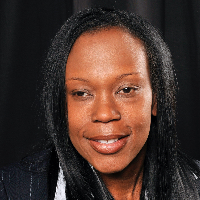
About Jennifer
Jennifer Groom-Reid welcomes people who are facing big, painful life moments. She helps with stress, anxiety, grief, addictions, relationship strain, and major changes like divorce or loss. As a licensed clinical social worker (LCSW) in Connecticut, she aims to make therapy understandable and doable for busy lives.
She uses clear, practical tools rather than jargon. Sessions focus on what matters most to the person in front of her - reducing overwhelm, improving sleep, and coping with mood shifts or chronic pain.
Background and approach
She also supports work-related strain, compassion fatigue, and the daily realities of parenting and money worries. Jennifer draws from several well-established approaches to tailor care to each person. She blends acceptance and mindfulness skills with cognitive techniques and a client-centered, validating stance.
This mix helps people change unhelpful patterns while staying grounded in their values. Her work often addresses deeper themes like abandonment, codependency, infidelity, and emptiness with steady, nonjudgmental attention. She also offers guidance around hospice and end-of-life concerns and other serious medical or life-stage issues.
With 12 years of experience, Jennifer takes a culturally aware view of each person’s story. She will listen closely, help set concrete goals, and support step-by-step moves toward better day-to-day functioning and a clearer sense of direction.
Therapeutic approaches and online sessions that fit your life
Acceptance and Commitment Therapy (ACT) helps people notice difficult thoughts and feelings without getting stuck in them, then take small steps that match their values. Cognitive Behavioral Therapy (CBT) focuses on spotting and changing unhelpful thinking and behavior patterns to reduce anxiety, depression, and sleep problems. Client-Centered Therapy emphasizes being heard and understood first, and then building goals together at a comfortable pace.Finding the right approach is part of the work. Jennifer will collaborate with each person to choose methods that match their goals, needs, and daily life. She adjusts tools over time so the plan stays useful rather than rigid.
Online sessions are offered by video, phone, live chat, or text-based messaging to make therapy flexible. Video calls allow face-to-face conversation when that feels important. Phone sessions can be a good low-bandwidth option, and messaging or live chat work well for short check-ins or to fit therapy into a busy day. These options make it easier to keep momentum and use skills between sessions.
Frequently asked questions
What concerns does she address?
What is her style in sessions?
How much clinical experience does she have?
What are her credentials and location?
Can sessions be held in languages other than English?
What formats are available for sessions?
How are fees handled?
What do I do to begin therapy?
Specialties and expertise
Top specialties
- Stress, Anxiety
- Addictions
- Family conflicts
Also works with
- Abandonment
- ADHD
- Anger management
- Bipolar disorder
- Career difficulties
- Chronic pain, illness, and disability
- Coaching
- Codependency
- Compassion fatigue
- Control issues
- Coping with life changes
- Depression
- Divorce and separation
- Emptiness
- Family problems
- Forgiveness
- Grief
- Hospice and end-of-life counseling
- Impulsivity
- Infidelity
- Intimacy-related issues
- Midlife crisis
- Money and financial issues
- Mood disorders
- Multicultural concerns
- Parenting issues
- Relationship issues
- Self-love
- Sleeping disorders
- Trauma and abuse
- Women's issues
Therapeutic approaches
- Experience
- 12 years
- Licensed
- Connecticut
- Languages
- English