
Velma Jones, LCSW
New York · 29 yrs exp
Works with Stress, Anxiety / Relationship / Trauma and abuse +11
Works by Attachment-Based Therapy / Client-Centered Therapy
View ProfileThe therapist listings are provided by BetterHelp and we will earn a commission if you use our link - at no cost to you.
On this page you'll find profiles of licensed LCSWs who list self-harm among their focus areas. Browse the listings below to review clinicians' focus areas, approaches, languages, and experience to help you identify a potential fit.
New York · 29 yrs exp
Works with Stress, Anxiety / Relationship / Trauma and abuse +11
Works by Attachment-Based Therapy / Client-Centered Therapy
View Profile
Colorado · 19 yrs exp · 2 languages
Works with Stress, Anxiety / Relationship / Trauma and abuse +13
Works by Somatic Therapy / Acceptance and Commitment Therapy (ACT)
View Profile
Texas · 13 yrs exp
Works with Stress, Anxiety / Relationship / Trauma and abuse +12
Works by Attachment-Based Therapy / Client-Centered Therapy
View Profile
North Carolina · 10 yrs exp
Works with Stress, Anxiety / Relationship / Family +17
Works by Acceptance and Commitment Therapy (ACT) / Client-Centered Therapy
View Profile
Illinois · 12 yrs exp
Works with Stress, Anxiety / Trauma and abuse / Parenting +13
Works by Client-Centered Therapy / Cognitive Behavioral Therapy (CBT)
View Profile
New Jersey · 8 yrs exp
Works with Stress, Anxiety / Relationship / Trauma and abuse +15
Works by Acceptance and Commitment Therapy (ACT) / Attachment-Based Therapy
View Profile
Louisiana · 14 yrs exp
Works with Stress, Anxiety / Anger / Self esteem +10
View Profile
Mississippi · 12 yrs exp
Works with Stress, Anxiety / Addictions / Anger +13
Works by Client-Centered Therapy / Cognitive Behavioral Therapy (CBT)
View Profile
Virginia · 31 yrs exp
Works with Stress, Anxiety / Relationship / Family +13
Works by Attachment-Based Therapy / Client-Centered Therapy
View Profile
Georgia · 25 yrs exp
Works with Stress, Anxiety / Parenting / Anger +16
Works by Attachment-Based Therapy / Client-Centered Therapy
View Profile
Florida · 14 yrs exp
Works with Stress, Anxiety / Trauma and abuse / Grief +14
Works by Cognitive Behavioral Therapy (CBT) / Dialectical Behavior Therapy (DBT)
View Profile
Texas · 20 yrs exp
Works with Stress, Anxiety / Addictions / Family +16
Works by Client-Centered Therapy / Cognitive Behavioral Therapy (CBT)
View Profile
Florida · 25 yrs exp
Works with Stress, Anxiety / Trauma and abuse / Parenting +15
Works by Client-Centered Therapy / Cognitive Behavioral Therapy (CBT)
View Profile
Pennsylvania · 25 yrs exp
Works with Stress, Anxiety / Family / Grief +2
Works by Client-Centered Therapy / Cognitive Behavioral Therapy (CBT)
View Profile
North Carolina · 16 yrs exp
Works with Stress, Anxiety / Addictions / Trauma and abuse +14
Works by Acceptance and Commitment Therapy (ACT) / Client-Centered Therapy
View Profile
New Mexico · 20 yrs exp
Works with Stress, Anxiety / Self esteem / Bipolar +9
Works by Acceptance and Commitment Therapy (ACT) / Client-Centered Therapy
View Profile
California · 7 yrs exp
Works with Stress, Anxiety / LGBT / Trauma and abuse +2
View Profile
Wyoming · 14 yrs exp
Works with Addictions / Relationship / Depression +12
Works by Client-Centered Therapy / Cognitive Behavioral Therapy (CBT)
View Profile
North Carolina · 8 yrs exp
Works with Stress, Anxiety / Trauma and abuse / Parenting +9
Works by Attachment-Based Therapy / Client-Centered Therapy
View Profile
New York · 25 yrs exp · 2 languages
Works with Stress, Anxiety / Grief / Anger +7
Works by Client-Centered Therapy / Cognitive Behavioral Therapy (CBT)
View Profile
Texas · 6 yrs exp
Works with Stress, Anxiety / Relationship / Trauma and abuse +2
View Profile
Texas · 35 yrs exp
Works with Stress, Anxiety / Relationship / Family +15
Works by Attachment-Based Therapy / Client-Centered Therapy
View Profile
North Dakota · 10 yrs exp
Works with Stress, Anxiety / Relationship / Family +11
Works by Somatic Therapy / Acceptance and Commitment Therapy (ACT)
View Profile
New York · 25 yrs exp
Works with Stress, Anxiety / Relationship / Family +16
Works by Acceptance and Commitment Therapy (ACT) / Client-Centered Therapy
View Profile
Kentucky · 15 yrs exp
Works with Stress, Anxiety / Relationship / Parenting +14
Works by Acceptance and Commitment Therapy (ACT) / Attachment-Based Therapy
View Profile
Montana · 20 yrs exp
Works with Stress, Anxiety / Addictions / Relationship +12
Works by Acceptance and Commitment Therapy (ACT) / Attachment-Based Therapy
View Profile
Utah · 30 yrs exp
Works with Stress, Anxiety / Trauma and abuse / Grief +2
View Profile
Florida · 19 yrs exp
Works with Stress, Anxiety / Trauma and abuse / Grief +10
Works by Client-Centered Therapy / Cognitive Behavioral Therapy (CBT)
View Profile
Connecticut · 16 yrs exp
Works with Stress, Anxiety / Addictions / Family +15
Works by Cognitive Behavioral Therapy (CBT) / Dialectical Behavior Therapy (DBT)
View Profile
Colorado · 23 yrs exp
Works with Stress, Anxiety / Family / Trauma and abuse +10
Works by Psychodynamic Therapy
View Profile
Florida · 16 yrs exp
Works with Stress, Anxiety / Relationship / Parenting +9
Works by Attachment-Based Therapy / Client-Centered Therapy
View Profile
Missouri · 35 yrs exp
Works with Stress, Anxiety / Relationship / Family +12
Works by Client-Centered Therapy / Cognitive Behavioral Therapy (CBT)
View Profile
New Mexico · 4 yrs exp
Works with Stress, Anxiety / Relationship / Trauma and abuse +12
Works by Client-Centered Therapy / Cognitive Behavioral Therapy (CBT)
View Profile
Louisiana · 30 yrs exp
Works with Stress, Anxiety / Family / Trauma and abuse +17
Works by Client-Centered Therapy / Cognitive Behavioral Therapy (CBT)
View Profile
Louisiana · 28 yrs exp
Works with Stress, Anxiety / Family / Parenting +11
Works by Client-Centered Therapy / Cognitive Behavioral Therapy (CBT)
View Profile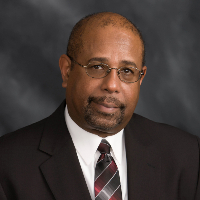
Mississippi · 51 yrs exp
Works with Stress, Anxiety / Relationship / Self esteem +16
Works by Acceptance and Commitment Therapy (ACT) / Attachment-Based Therapy
View Profile
Florida · 40 yrs exp
Works with Stress, Anxiety / Relationship / Family +9
Works by Client-Centered Therapy / Cognitive Behavioral Therapy (CBT)
View Profile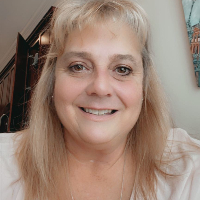
Louisiana · 30 yrs exp
Works with Stress, Anxiety / Relationship / Family +15
Works by Client-Centered Therapy / Cognitive Behavioral Therapy (CBT)
View Profile
Florida · 42 yrs exp
Works with Stress, Anxiety / Addictions / Relationship +16
Works by Somatic Therapy / Acceptance and Commitment Therapy (ACT)
View Profile
Georgia · 7 yrs exp
Works with Stress, Anxiety / Trauma and abuse / Self esteem +11
Works by Acceptance and Commitment Therapy (ACT) / Attachment-Based Therapy
View Profile
Texas · 16 yrs exp
Works with Stress, Anxiety / Relationship / Family +14
Works by Somatic Therapy / Acceptance and Commitment Therapy (ACT)
View Profile
Georgia · 31 yrs exp
Works with Stress, Anxiety / Addictions / Trauma and abuse +12
Works by Acceptance and Commitment Therapy (ACT) / Attachment-Based Therapy
View Profile
Texas · 15 yrs exp · 2 languages
Works with Stress, Anxiety / Trauma and abuse / Grief +14
Works by Client-Centered Therapy / Cognitive Behavioral Therapy (CBT)
View Profile
Utah · 20 yrs exp
Works with Stress, Anxiety / Addictions / Relationship +12
Works by Client-Centered Therapy / Cognitive Behavioral Therapy (CBT)
View Profile
Wisconsin · 20 yrs exp
Works with Stress, Anxiety / Relationship / Trauma and abuse +16
Works by Attachment-Based Therapy / Client-Centered Therapy
View Profile
Iowa · 31 yrs exp
Works with Addictions / LGBT / Trauma and abuse +4
Works by Acceptance and Commitment Therapy (ACT) / Attachment-Based Therapy
View Profile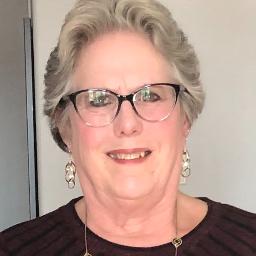
Illinois · 40 yrs exp
Works with Stress, Anxiety / Grief / Self esteem +14
Works by Acceptance and Commitment Therapy (ACT) / Attachment-Based Therapy
View Profile
Pennsylvania · 25 yrs exp
Works with Stress, Anxiety / Addictions / LGBT +15
Works by Acceptance and Commitment Therapy (ACT) / Client-Centered Therapy
View ProfileSelf-harm refers to intentional actions someone may take to cause injury to themselves without the express intent to end their life. It can include cutting, burning, hitting, or other forms of injury. People who engage in self-harm often describe it as a way to manage overwhelming feelings, to feel something when numb, to punish themselves, or to regain a sense of control. It is important to recognize that self-harm is a behavioral sign of distress rather than a single diagnosis, and it can occur across ages, genders, and cultural backgrounds.
As you look for help, remember that Licensed Clinical Social Workers hold a master’s degree in social work, have completed a state-set period of supervised post-graduate clinical experience, and have passed a clinical licensing examination. The LCSW credential indicates that a clinician meets state requirements to provide clinical services and that their scope of practice is regulated by a state board. Social work training emphasizes a person-in-environment perspective, which means an LCSW will commonly consider your living situation, relationships, work, finances, and community resources alongside your internal experience. That perspective can be particularly useful if the factors around you - such as housing instability, family conflict, or lack of access to care - influence your self-harm behaviors.
Not everyone who self-harms will immediately seek help. You might consider reaching out to a therapist if self-harm is happening more frequently, causing medical complications, interfering with daily responsibilities, or creating ongoing feelings of shame, isolation, or fear. If you notice that self-harm is being used more often to manage emotions, or that attempts to stop or reduce the behavior have not worked, those are signals that professional support could be helpful.
Other signs that therapy may be appropriate include rapid mood changes, withdrawing from friends and family, sudden changes in personal appearance or routine, or escalating use of substances alongside self-injury. If someone you care about shows these signs, your role can include encouraging them to seek professional help, offering to assist with finding information, and helping to ensure immediate safety when needed. If there is any concern about imminent danger, contacting local emergency services or a crisis line in your area is important. Therapy aims to provide ways to reduce harm, improve coping skills, and address the underlying emotional or environmental factors that contribute to self-harm.
When you begin meeting with an LCSW about self-harm, you can expect the early sessions to focus on understanding your current situation and immediate safety. An LCSW will typically ask about the frequency and methods of self-harm, triggers, thoughts of suicide, and any past treatment or hospitalizations. They will also want to know about your daily life - relationships, housing, work or school, and access to community resources - because social work practice places those contextual factors at the center of care.
Therapy often balances short-term strategies to reduce risk and manage crises with longer-term work aimed at improving emotion regulation, building alternative coping skills, and addressing painful experiences or circumstances that contribute to self-injury. You might develop a safety plan during early sessions that identifies warning signs, coping strategies that have helped in the past, and people you can contact in a crisis. Over time, sessions frequently include skill-building, processing difficult emotions or memories, and exploring practical steps to change stressful environmental conditions. Progress is typically collaborative; you and the LCSW will set goals together and revisit them as your needs change.
There is no single therapy that defines how LCSWs work with self-harm. Instead, you will find LCSWs who list a variety of approaches among their work. Some therapists list dialectical behavior therapy (DBT) strategies that emphasize emotion regulation, distress tolerance, interpersonal effectiveness, and mindfulness skills. Others list cognitive behavioral therapy (CBT) techniques that focus on identifying and shifting patterns of thinking and behavior that maintain self-harm. You may also see therapists who list trauma-informed or trauma-focused approaches, which attend to how past adverse experiences influence current behavior and coping.
Because LCSWs are trained to consider social and environmental factors, you may encounter clinicians who incorporate practical problem-solving about housing, employment, or family stress alongside therapeutic work. Some therapists list acceptance and commitment therapy (ACT) or emotion-focused techniques among their approaches, emphasizing values-based action and emotional processing. When you review profiles, note that the site records the approaches therapists list, which can help you identify clinicians whose described methods align with what you think will help. It is acceptable and common to ask a prospective therapist how they apply particular approaches to support someone who self-harms and how they balance safety planning with skill-building and broader life concerns.
Online therapy can expand access to LCSWs who list self-harm among their focus areas, especially if local options are limited or if travel and scheduling are barriers. In an online session you will typically meet through video or phone in a personal environment. Many clinicians combine remote sessions with messages or portals for brief check-ins, though modes of communication vary by clinician and by state regulations. If you choose online work, clarify how the clinician handles emergencies given that they are licensed by a state board and may have specific procedures for clients located in different states.
There are practical factors you will want to consider for online work. Make sure you have a safe, comfortable environment where you can speak openly during sessions. Ask how the clinician manages crisis situations remotely and how they coordinate with local services if needed. Since licensure is state-specific, an LCSW's scope of practice is governed by the issuing state board; some clinicians are able to work with clients in multiple states while others are limited to their licensing state. Keep in mind that the credentials listed on profiles indicate licensure status but do not guarantee a specific treatment style or outcome. When you evaluate remote care, focus on how a clinician’s described approaches, experience with self-harm, language abilities, and attention to practical life factors fit with what you want.
Choosing a therapist is a personal decision. Start by looking for LCSWs who list self-harm among their focus areas and whose profiles mention experience or interest in working with the age group and context most like yours. Because every clinician brings a particular combination of approach and experience, pay attention to the therapeutic approaches they list and whether those approaches align with your preferences. For example, you might prefer therapists who list DBT-related skills work if you want structured emotion-regulation strategies, or those who list trauma-informed work if past experiences are a central concern.
Also consider practical aspects that matter to you - languages spoken, years of clinical experience, familiarity with settings like schools or hospitals, and any notes on working with families, teens, or specific communities. Compare focus areas, approaches, credentials, languages, and experience across profiles to find clinicians who seem to fit both your clinical needs and life circumstances. It is reasonable to ask prospective therapists how they typically handle safety planning, how they involve family or other supports when appropriate, and what a typical course of work looks like for someone addressing self-harm. Trust your sense of whether a clinician listens, respects your perspective, and describes a collaborative approach that feels manageable to you.
Above all, if you or someone you know is in immediate danger, contact local emergency services or a crisis line right away. When you are ready to explore ongoing support, the LCSW listings on this page can help you identify licensed clinicians who list self-harm among their focus areas so you can gather information and choose a clinician who fits your needs and context.
Alabama
26 therapists
Alaska
19 therapists
Arizona
115 therapists
Arkansas
68 therapists
California
989 therapists
Colorado
177 therapists
Connecticut
133 therapists
Delaware
42 therapists
District of Columbia
8 therapists
Florida
982 therapists
Georgia
268 therapists
Hawaii
39 therapists
Idaho
50 therapists
Illinois
450 therapists
Indiana
247 therapists
Iowa
9 therapists
Kansas
33 therapists
Kentucky
166 therapists
Louisiana
165 therapists
Maine
66 therapists
Maryland
29 therapists
Massachusetts
17 therapists
Michigan
43 therapists
Minnesota
16 therapists
Mississippi
86 therapists
Missouri
188 therapists
Montana
62 therapists
Nebraska
2 therapists
Nevada
71 therapists
New Hampshire
24 therapists
New Jersey
300 therapists
New Mexico
69 therapists
New York
659 therapists
North Carolina
441 therapists
North Dakota
12 therapists
Ohio
39 therapists
Oklahoma
87 therapists
Oregon
78 therapists
Pennsylvania
272 therapists
Rhode Island
4 therapists
South Carolina
45 therapists
South Dakota
2 therapists
Tennessee
134 therapists
Texas
617 therapists
Utah
121 therapists
Vermont
3 therapists
Virginia
232 therapists
Washington
20 therapists
West Virginia
9 therapists
Wisconsin
161 therapists
Wyoming
22 therapists