
Velma Jones, LCSW
New York · 29 yrs exp
Works with Stress, Anxiety / Relationship / Trauma and abuse +11
Works by Attachment-Based Therapy / Client-Centered Therapy
View ProfileThe therapist listings are provided by BetterHelp and we will earn a commission if you use our link - at no cost to you.
On this page you will find Licensed Clinical Social Workers (LCSWs) who list money and financial issues among their specialty areas. These listings highlight each clinician's focus areas, approaches, languages, credentials and experience. Browse the LCSW profiles below to learn more about practitioners who work with money-related concerns.
New York · 29 yrs exp
Works with Stress, Anxiety / Relationship / Trauma and abuse +11
Works by Attachment-Based Therapy / Client-Centered Therapy
View Profile
Colorado · 19 yrs exp · 2 languages
Works with Stress, Anxiety / Relationship / Trauma and abuse +13
Works by Somatic Therapy / Acceptance and Commitment Therapy (ACT)
View Profile
Texas · 13 yrs exp
Works with Stress, Anxiety / Relationship / Trauma and abuse +12
Works by Attachment-Based Therapy / Client-Centered Therapy
View Profile
New York · 25 yrs exp · 2 languages
Works with Stress, Anxiety / Addictions / Trauma and abuse +12
Works by Client-Centered Therapy / Cognitive Behavioral Therapy (CBT)
View Profile
Texas · 6 yrs exp
Works with LGBT / Relationship / Family +7
Works by Acceptance and Commitment Therapy (ACT) / Attachment-Based Therapy
View Profile
North Carolina · 10 yrs exp
Works with Stress, Anxiety / Relationship / Family +17
Works by Acceptance and Commitment Therapy (ACT) / Client-Centered Therapy
View Profile
Florida · 15 yrs exp
Works with Relationship / Family / Intimacy-related issues +5
View Profile
Kentucky · 10 yrs exp
Works with Stress, Anxiety / Family / Self esteem +13
Works by Acceptance and Commitment Therapy (ACT) / Client-Centered Therapy
View Profile
Florida · 22 yrs exp
Works with Stress, Anxiety / Self esteem / Depression +6
Works by Acceptance and Commitment Therapy (ACT) / Client-Centered Therapy
View Profile
Louisiana · 14 yrs exp
Works with Stress, Anxiety / Anger / Self esteem +10
View Profile
Mississippi · 12 yrs exp
Works with Stress, Anxiety / Addictions / Anger +13
Works by Client-Centered Therapy / Cognitive Behavioral Therapy (CBT)
View Profile
North Carolina · 30 yrs exp
Works with LGBT / Relationship / Family +14
Works by Acceptance and Commitment Therapy (ACT) / Attachment-Based Therapy
View Profile
Florida · 14 yrs exp
Works with Stress, Anxiety / Trauma and abuse / Grief +14
Works by Cognitive Behavioral Therapy (CBT) / Dialectical Behavior Therapy (DBT)
View Profile
Texas · 20 yrs exp
Works with Stress, Anxiety / Addictions / Family +16
Works by Client-Centered Therapy / Cognitive Behavioral Therapy (CBT)
View Profile
Michigan · 24 yrs exp
Works with Stress, Anxiety / Addictions / Relationship +2
Works by Client-Centered Therapy / Cognitive Behavioral Therapy (CBT)
View Profile
Arkansas · 44 yrs exp
Works with Stress, Anxiety / Trauma and abuse / Grief +17
Works by Acceptance and Commitment Therapy (ACT) / Client-Centered Therapy
View Profile
Texas · 5 yrs exp
Works with Stress, Anxiety / Relationship / Family +10
View Profile
New York · 14 yrs exp
Works with Stress, Anxiety / Relationship / Trauma and abuse +6
Works by Acceptance and Commitment Therapy (ACT) / Client-Centered Therapy
View Profile
Wyoming · 14 yrs exp
Works with Addictions / Relationship / Depression +12
Works by Client-Centered Therapy / Cognitive Behavioral Therapy (CBT)
View Profile
Connecticut · 24 yrs exp
Works with Stress, Anxiety / Relationship / Grief +12
Works by Client-Centered Therapy / Cognitive Behavioral Therapy (CBT)
View Profile
New Jersey · 12 yrs exp
Works with Stress, Anxiety / Relationship / Trauma and abuse +2
View Profile
Wisconsin · 18 yrs exp
Works with Stress, Anxiety / Parenting / Self esteem +12
Works by Client-Centered Therapy / Cognitive Behavioral Therapy (CBT)
View Profile
North Dakota · 10 yrs exp
Works with Stress, Anxiety / Relationship / Family +11
Works by Somatic Therapy / Acceptance and Commitment Therapy (ACT)
View Profile
Illinois · 39 yrs exp
Works with Stress, Anxiety / Relationship / Grief +2
Works by Client-Centered Therapy / Cognitive Behavioral Therapy (CBT)
View Profile
New York · 25 yrs exp
Works with Stress, Anxiety / Relationship / Family +16
Works by Acceptance and Commitment Therapy (ACT) / Client-Centered Therapy
View Profile
Illinois · 3 yrs exp
Works with Stress, Anxiety / Addictions / LGBT +11
Works by Cognitive Behavioral Therapy (CBT) / Solution-Focused Therapy
View Profile
Florida · 23 yrs exp
Works with Stress, Anxiety / Addictions / LGBT +12
Works by Acceptance and Commitment Therapy (ACT) / Client-Centered Therapy
View Profile
Utah · 30 yrs exp
Works with Stress, Anxiety / Trauma and abuse / Grief +2
View Profile
Texas · 39 yrs exp
Works with Stress, Anxiety / Relationship / Trauma and abuse +12
Works by Acceptance and Commitment Therapy (ACT) / Attachment-Based Therapy
View Profile
Arizona · 40 yrs exp
Works with Stress, Anxiety / LGBT / Relationship +11
Works by Client-Centered Therapy / Cognitive Behavioral Therapy (CBT)
View Profile
North Carolina · 15 yrs exp
Works with LGBT / Relationship / Family +8
Works by Attachment-Based Therapy / Client-Centered Therapy
View Profile
Florida · 16 yrs exp
Works with Stress, Anxiety / Relationship / Parenting +9
Works by Attachment-Based Therapy / Client-Centered Therapy
View Profile
Missouri · 35 yrs exp
Works with Stress, Anxiety / Relationship / Family +12
Works by Client-Centered Therapy / Cognitive Behavioral Therapy (CBT)
View Profile
Missouri · 25 yrs exp · 2 languages
Works with Anger / Self esteem / Depression +16
Works by Somatic Therapy / Client-Centered Therapy
View Profile
New Mexico · 4 yrs exp
Works with Stress, Anxiety / Relationship / Trauma and abuse +12
Works by Client-Centered Therapy / Cognitive Behavioral Therapy (CBT)
View Profile
Florida · 5 yrs exp
Works with Stress, Anxiety / Family / Self esteem +8
Works by Client-Centered Therapy / Cognitive Behavioral Therapy (CBT)
View Profile
North Carolina · 24 yrs exp
Works with Stress, Anxiety / Relationship / Family +15
Works by Client-Centered Therapy / Cognitive Behavioral Therapy (CBT)
View Profile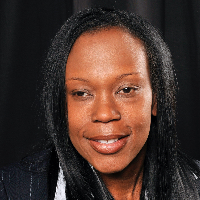
Connecticut · 12 yrs exp
Works with Stress, Anxiety / Addictions / Family +14
Works by Acceptance and Commitment Therapy (ACT) / Client-Centered Therapy
View Profile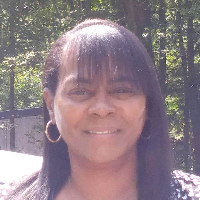
New York · 20 yrs exp
Works with Stress, Anxiety / Addictions / Relationship +10
Works by Client-Centered Therapy / Cognitive Behavioral Therapy (CBT)
View Profile
Pennsylvania · 10 yrs exp
Works with Stress, Anxiety / Addictions / LGBT +15
Works by Acceptance and Commitment Therapy (ACT) / Attachment-Based Therapy
View Profile
Florida · 20 yrs exp
Works with Stress, Anxiety / Family / Grief +2
Works by Cognitive Behavioral Therapy (CBT)
View Profile
Florida · 42 yrs exp
Works with Stress, Anxiety / Addictions / Relationship +16
Works by Somatic Therapy / Acceptance and Commitment Therapy (ACT)
View Profile
Georgia · 7 yrs exp
Works with Stress, Anxiety / Trauma and abuse / Self esteem +11
Works by Acceptance and Commitment Therapy (ACT) / Attachment-Based Therapy
View Profile
Texas · 16 yrs exp
Works with Stress, Anxiety / Relationship / Family +14
Works by Somatic Therapy / Acceptance and Commitment Therapy (ACT)
View Profile
Missouri · 5 yrs exp
Works with Family / Trauma and abuse / Parenting +13
Works by Acceptance and Commitment Therapy (ACT) / Client-Centered Therapy
View Profile
Utah · 20 yrs exp
Works with Stress, Anxiety / Addictions / Relationship +12
Works by Client-Centered Therapy / Cognitive Behavioral Therapy (CBT)
View Profile
Missouri · 12 yrs exp
Works with Stress, Anxiety / Relationship / Grief +11
Works by Acceptance and Commitment Therapy (ACT) / Attachment-Based Therapy
View Profile
Wisconsin · 20 yrs exp
Works with Stress, Anxiety / Relationship / Trauma and abuse +16
Works by Attachment-Based Therapy / Client-Centered Therapy
View ProfileWhen people talk about money and financial issues in therapy they are referring to a broad set of concerns that touch daily life, relationships and mental health. Financial strain can mean debt, job loss, income insecurity, difficulty budgeting, retirement worries or conflict about money within a family or partnership. For many people the pressure is not only about numbers - it is about identity, values, safety, and the sense of control you feel over your future. Licensed Clinical Social Workers who list this specialty approach the topic by looking at both the practical circumstances around money and the emotional meanings attached to it.
Your LCSW brings a person-in-environment perspective that explicitly connects financial circumstances to housing, work, family roles and community resources. That means questions about money are not treated in isolation from other parts of your life. An LCSW will often consider systems that shape financial realities - workplace policies, caregiving responsibilities, access to benefits, and local cost of living - while also addressing how stress, shame or anxiety about money affects your behavior and relationships.
You might be wondering whether your money concerns are significant enough to bring to therapy. People commonly seek help when financial worries begin to interfere with sleep, concentration or work performance. You may notice chronic avoidance of bills, frequent arguments with a partner about spending, or feelings of shame that prevent you from asking for help. Others come when a life transition - a job change, divorce, medical expense or retirement - disrupts their financial routine and leaves them unsure how to move forward.
If money is tightly linked to your sense of self-worth or sparks panic, anger or persistent low mood, working with an LCSW can help you unpack those feelings. You may also notice patterns across relationships - repeated conflicts about money, secretive behavior around finances, or a tendency to overextend financially to please others. An LCSW who lists money and financial issues can help you identify these patterns and explore practical strategies that fit your values and life circumstances.
In sessions you can expect conversations that weave practical problem-solving with emotional work. An LCSW will often begin by asking about your current financial situation and the specific stressors you are facing. They will also explore how money is connected to relationships, identity and daily functioning. You might map out short-term steps like organizing bills or contacting a benefits office while also addressing long-standing beliefs or anxieties about money that influence your choices.
Therapy in this area tends to balance immediate relief with longer-term skill building. Early sessions may focus on stabilizing urgent issues and creating manageable goals, such as establishing a basic budget or reducing conflict with a partner. Over time you may work on changing financial habits, building resilience for future setbacks, and strengthening communication about money. Your LCSW will tailor pacing to your needs and the complexity of your situation, recognizing that progress often includes both practical adjustments and emotional change.
Therapists who hold an LCSW may list a variety of approaches they use when addressing money-related concerns. You may see cognitive behavioral approaches that help you examine thoughts and behaviors around spending and saving, motivational methods to support change, or psychodynamic perspectives that explore deep-seated beliefs about money. Some clinicians mention acceptance-based work, interpersonal strategies for couples, or trauma-informed lenses if financial stress is linked to past trauma. These listings describe how a clinician frames their work, not a certification or guarantee of a specific outcome.
Regardless of the approach name, effective sessions tend to combine emotional insight with tangible tools. That could mean using cognitive strategies to reframe catastrophic thinking about bills, role-playing conversations with a partner about money, or setting stepwise behavioral experiments to practice new spending habits. An LCSW’s social work training often leads them to connect these individual strategies with broader social supports, suggesting community resources, benefit programs or advocacy options when appropriate.
Many LCSWs offer online sessions that let you discuss money-related issues from your home or another comfortable environment. Online work allows you to bring real-life documents or screens into the conversation and can make it easier to include a partner or family member in joint sessions when needed. Some clinicians blend video sessions with text-based messaging or worksheets to support budgeting homework and skills practice. Because licensing is governed by state boards, therapists who hold an LCSW will indicate the states in which they are licensed; that affects where they may provide services, so check the clinician's listed credentials and location information on their profile for clarity.
When choosing an LCSW for money and financial issues you will want to look beyond the credential to how a clinician describes their focus. Read profiles to see whether they mention work with debt stress, couples money conflict, financial trauma, or life transitions such as retirement and job loss. Note the therapeutic approaches they list and think about what style might suit you - whether you prefer more skills-based guidance or deeper emotional exploration. Pay attention to languages spoken, years of clinical experience, and any population focus such as working with caregivers, veterans, young adults, or older adults. These details help you assess fit in terms of focus areas, approaches, credentials, languages and experience.
Before you contact anyone, it can be helpful to reflect on your immediate goals and the kind of support you want. Consider whether you need help stabilizing an urgent financial problem, whether you want couples work to address shared finances, or whether you are seeking long-term help to change lifelong money patterns. Clarifying these aims will make it easier to identify profiles that resonate with your situation. Remember that the listings here provide information about clinicians who hold an LCSW and the topics they emphasize, and they are intended to help you learn about practitioners who focus on money and financial issues.
Working with an LCSW on money and financial issues can give you both practical tools and an opportunity to address the emotional and systemic dimensions of financial stress. By combining problem-solving with attention to the broader context of your life, an LCSW can help you build strategies that fit your values and circumstances. Use the profiles above to explore clinicians' stated focuses, approaches, languages and experience to find a professional whose description aligns with the kind of support you want.
Alabama
26 therapists
Alaska
19 therapists
Arizona
115 therapists
Arkansas
68 therapists
California
989 therapists
Colorado
177 therapists
Connecticut
133 therapists
Delaware
42 therapists
District of Columbia
8 therapists
Florida
982 therapists
Georgia
268 therapists
Hawaii
39 therapists
Idaho
50 therapists
Illinois
450 therapists
Indiana
247 therapists
Iowa
9 therapists
Kansas
33 therapists
Kentucky
166 therapists
Louisiana
165 therapists
Maine
66 therapists
Maryland
29 therapists
Massachusetts
17 therapists
Michigan
43 therapists
Minnesota
16 therapists
Mississippi
86 therapists
Missouri
188 therapists
Montana
62 therapists
Nebraska
2 therapists
Nevada
71 therapists
New Hampshire
24 therapists
New Jersey
300 therapists
New Mexico
69 therapists
New York
659 therapists
North Carolina
441 therapists
North Dakota
12 therapists
Ohio
39 therapists
Oklahoma
87 therapists
Oregon
78 therapists
Pennsylvania
272 therapists
Rhode Island
4 therapists
South Carolina
45 therapists
South Dakota
2 therapists
Tennessee
134 therapists
Texas
617 therapists
Utah
121 therapists
Vermont
3 therapists
Virginia
232 therapists
Washington
20 therapists
West Virginia
9 therapists
Wisconsin
161 therapists
Wyoming
22 therapists