
Velma Jones, LCSW
New York · 29 yrs exp
Works with Stress, Anxiety / Relationship / Trauma and abuse +11
Works by Attachment-Based Therapy / Client-Centered Therapy
View ProfileThe therapist listings are provided by BetterHelp and we will earn a commission if you use our link - at no cost to you.
This directory highlights Licensed Clinical Social Workers (LCSWs) who list infidelity and relationship repair among their focus areas. Browse the therapist profiles below to compare focus areas, therapeutic approaches, languages, and experience as you explore care options.
New York · 29 yrs exp
Works with Stress, Anxiety / Relationship / Trauma and abuse +11
Works by Attachment-Based Therapy / Client-Centered Therapy
View Profile
North Carolina · 30 yrs exp · 2 languages
Works with Relationship / Parenting / Anger +6
Works by Cognitive Behavioral Therapy (CBT) / Mindfulness Therapy
View Profile
Colorado · 19 yrs exp · 2 languages
Works with Stress, Anxiety / Relationship / Trauma and abuse +13
Works by Somatic Therapy / Acceptance and Commitment Therapy (ACT)
View Profile
Texas · 13 yrs exp
Works with Stress, Anxiety / Relationship / Trauma and abuse +12
Works by Attachment-Based Therapy / Client-Centered Therapy
View Profile
Oregon · 26 yrs exp
Works with Stress, Anxiety / Trauma and abuse / Grief +11
Works by Somatic Therapy / Acceptance and Commitment Therapy (ACT)
View Profile
Texas · 6 yrs exp
Works with LGBT / Relationship / Family +7
Works by Acceptance and Commitment Therapy (ACT) / Attachment-Based Therapy
View Profile
Missouri · 16 yrs exp
Works with Stress, Anxiety / Trauma and abuse / Self esteem +13
Works by Client-Centered Therapy / Cognitive Behavioral Therapy (CBT)
View Profile
North Carolina · 10 yrs exp
Works with Stress, Anxiety / Relationship / Family +17
Works by Acceptance and Commitment Therapy (ACT) / Client-Centered Therapy
View Profile
Florida · 15 yrs exp
Works with Relationship / Family / Intimacy-related issues +5
View Profile
Texas · 21 yrs exp
Works with Stress, Anxiety / Relationship / Trauma and abuse +16
Works by Acceptance and Commitment Therapy (ACT) / Client-Centered Therapy
View Profile
Illinois · 12 yrs exp
Works with Stress, Anxiety / Trauma and abuse / Parenting +13
Works by Client-Centered Therapy / Cognitive Behavioral Therapy (CBT)
View Profile
Florida · 30 yrs exp
Works with Stress, Anxiety / Relationship / Intimacy-related issues +9
Works by Client-Centered Therapy / Cognitive Behavioral Therapy (CBT)
View Profile
New Jersey · 8 yrs exp
Works with Stress, Anxiety / Relationship / Trauma and abuse +15
Works by Acceptance and Commitment Therapy (ACT) / Attachment-Based Therapy
View Profile
Louisiana · 14 yrs exp
Works with Stress, Anxiety / Anger / Self esteem +10
View Profile
Tennessee · 35 yrs exp
Works with Stress, Anxiety / Grief / Self esteem +9
Works by Acceptance and Commitment Therapy (ACT) / Client-Centered Therapy
View Profile
Virginia · 31 yrs exp
Works with Stress, Anxiety / Relationship / Family +13
Works by Attachment-Based Therapy / Client-Centered Therapy
View Profile
North Carolina · 30 yrs exp
Works with LGBT / Relationship / Family +14
Works by Acceptance and Commitment Therapy (ACT) / Attachment-Based Therapy
View Profile
Georgia · 25 yrs exp
Works with Stress, Anxiety / Parenting / Anger +16
Works by Attachment-Based Therapy / Client-Centered Therapy
View Profile
Florida · 14 yrs exp
Works with Stress, Anxiety / Trauma and abuse / Grief +14
Works by Cognitive Behavioral Therapy (CBT) / Dialectical Behavior Therapy (DBT)
View Profile
Texas · 20 yrs exp
Works with Stress, Anxiety / Addictions / Family +16
Works by Client-Centered Therapy / Cognitive Behavioral Therapy (CBT)
View Profile
Virginia · 47 yrs exp
Works with Stress, Anxiety / Relationship / Grief +11
Works by Somatic Therapy / Acceptance and Commitment Therapy (ACT)
View Profile
Pennsylvania · 25 yrs exp
Works with Stress, Anxiety / Family / Grief +2
Works by Client-Centered Therapy / Cognitive Behavioral Therapy (CBT)
View Profile
California · 20 yrs exp
Works with Stress, Anxiety / Relationship / Family +16
Works by Cognitive Behavioral Therapy (CBT) / Motivational Interviewing
View Profile
Mississippi · 36 yrs exp
Works with Family / Parenting / Anger +12
Works by Acceptance and Commitment Therapy (ACT) / Attachment-Based Therapy
View Profile
California · 7 yrs exp
Works with Stress, Anxiety / LGBT / Trauma and abuse +2
View Profile
North Carolina · 8 yrs exp
Works with Stress, Anxiety / Trauma and abuse / Parenting +9
Works by Attachment-Based Therapy / Client-Centered Therapy
View Profile
Texas · 6 yrs exp
Works with Stress, Anxiety / Relationship / Trauma and abuse +2
View Profile
Texas · 11 yrs exp
Works with Stress, Anxiety / Relationship / Trauma and abuse +6
Works by Acceptance and Commitment Therapy (ACT) / Client-Centered Therapy
View Profile
Florida · 40 yrs exp
Works with Addictions / Relationship / Grief +14
Works by Cognitive Behavioral Therapy (CBT) / Psychodynamic Therapy
View Profile
Texas · 35 yrs exp
Works with Stress, Anxiety / Relationship / Family +15
Works by Attachment-Based Therapy / Client-Centered Therapy
View Profile
Florida · 32 yrs exp
Works with Stress, Anxiety / Trauma and abuse / Grief +15
Works by Acceptance and Commitment Therapy (ACT) / Client-Centered Therapy
View Profile
North Dakota · 10 yrs exp
Works with Stress, Anxiety / Relationship / Family +11
Works by Somatic Therapy / Acceptance and Commitment Therapy (ACT)
View Profile
New York · 25 yrs exp
Works with Stress, Anxiety / Relationship / Family +16
Works by Acceptance and Commitment Therapy (ACT) / Client-Centered Therapy
View Profile
Illinois · 3 yrs exp
Works with Stress, Anxiety / Addictions / LGBT +11
Works by Cognitive Behavioral Therapy (CBT) / Solution-Focused Therapy
View Profile
Kentucky · 15 yrs exp
Works with Stress, Anxiety / Relationship / Parenting +14
Works by Acceptance and Commitment Therapy (ACT) / Attachment-Based Therapy
View Profile
Florida · 23 yrs exp
Works with Stress, Anxiety / Addictions / LGBT +12
Works by Acceptance and Commitment Therapy (ACT) / Client-Centered Therapy
View Profile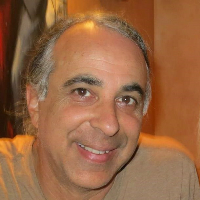
Montana · 20 yrs exp
Works with Stress, Anxiety / Addictions / Relationship +12
Works by Acceptance and Commitment Therapy (ACT) / Attachment-Based Therapy
View Profile
Connecticut · 16 yrs exp
Works with Stress, Anxiety / Addictions / Family +15
Works by Cognitive Behavioral Therapy (CBT) / Dialectical Behavior Therapy (DBT)
View Profile
Texas · 39 yrs exp
Works with Stress, Anxiety / Relationship / Trauma and abuse +12
Works by Acceptance and Commitment Therapy (ACT) / Attachment-Based Therapy
View Profile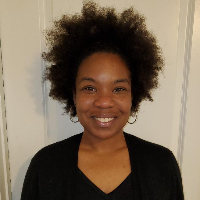
North Carolina · 15 yrs exp
Works with LGBT / Relationship / Family +8
Works by Attachment-Based Therapy / Client-Centered Therapy
View Profile
Florida · 16 yrs exp
Works with Stress, Anxiety / Relationship / Parenting +9
Works by Attachment-Based Therapy / Client-Centered Therapy
View Profile
Florida · 16 yrs exp
Works with Stress, Anxiety / Trauma and abuse / Grief +11
Works by Acceptance and Commitment Therapy (ACT) / Attachment-Based Therapy
View Profile
New Mexico · 4 yrs exp
Works with Stress, Anxiety / Relationship / Trauma and abuse +12
Works by Client-Centered Therapy / Cognitive Behavioral Therapy (CBT)
View Profile
Texas · 29 yrs exp
Works with Stress, Anxiety / Relationship / Trauma and abuse +11
Works by Client-Centered Therapy / Cognitive Behavioral Therapy (CBT)
View Profile
Florida · 22 yrs exp
Works with Addictions / Relationship / Trauma and abuse +5
Works by Acceptance and Commitment Therapy (ACT) / Attachment-Based Therapy
View Profile
North Carolina · 24 yrs exp
Works with Stress, Anxiety / Relationship / Family +15
Works by Client-Centered Therapy / Cognitive Behavioral Therapy (CBT)
View Profile
Florida · 5 yrs exp
Works with Stress, Anxiety / LGBT / Trauma and abuse +11
Works by Somatic Therapy / Acceptance and Commitment Therapy (ACT)
View Profile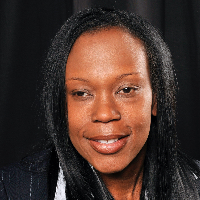
Connecticut · 12 yrs exp
Works with Stress, Anxiety / Addictions / Family +14
Works by Acceptance and Commitment Therapy (ACT) / Client-Centered Therapy
View ProfileInfidelity can mean different things to different people - a physical affair, an emotional connection outside the relationship, secret online activity, or patterns of betrayal that erode trust over time. Regardless of the form it takes, you may find that infidelity touches multiple parts of life. It can unsettle daily routines, change how you view yourself and your partner, and introduce practical concerns about living arrangements, parenting, finances, and social support. Those ripple effects are why many people look for an LCSW when they want help that considers both emotional experience and life circumstances. An LCSW brings training that frames problems in a person-in-environment perspective, which means they look at relationship dynamics alongside housing, work, family roles, and community factors rather than focusing only on internal thoughts or feelings.
Emotional responses to infidelity are highly individual. You might feel shock, grief, shame, anger, relief, or numbness, sometimes cycling through several emotions in a short time. Trust may feel fractured, communication may become defensive or avoidant, and you may struggle with questions about identity and future plans. In this context, an LCSW can help you map what has been affected and work with you to set practical goals, whether you are trying to repair the relationship, redefine it, or rebuild your life separately. Because LCSWs are licensed clinicians, they are governed by state boards and have completed master's level social work education plus a period of supervised clinical practice and a licensing exam.
If you are wondering whether therapy could help, there are several common signs that people find useful to consider. You might notice persistent intrusive thoughts about the betrayal, difficulty sleeping, mood changes that interfere with daily functioning, or repeated arguments that revolve around the incident rather than broader relationship patterns. You may also be weighing major decisions - separation, reconciliation, disclosure to others - without a clear sense of values or next steps. Parents often worry about the impact of conflict on children, and that concern can be another reason to seek professional input. An LCSW can help you disentangle immediate crisis management from longer-term choices and support you in developing communication and coping skills that fit your situation.
Therapy can also be helpful if you find that attempts to discuss the infidelity with your partner consistently lead to escalation, withdrawal, or stalemate. If you are experiencing symptoms such as anxiety, panic, depression, or functional impairment that seem linked to the betrayal, speaking with a licensed clinician is a prudent step. Keep in mind that seeking help does not mean you have to commit to any particular outcome. An LCSW can offer a space to explore values, options, and feelings while taking into account your living situation, work obligations, and social supports.
When you begin working with an LCSW about infidelity, the early sessions often focus on assessment - understanding the timeline, the roles each person has played, and the practical consequences you are facing. You can expect the clinician to ask about your relationship history, coping strategies, social supports, and relevant stressors such as financial strain or parenting responsibilities. Because social work emphasizes context, an LCSW is likely to attend to how external factors like work schedules, housing, or access to community resources intersect with the emotional work of recovery.
Subsequent sessions tend to move between emotional processing and concrete problem solving. You might work on communication strategies to reduce reactivity, boundaries to protect your wellbeing, and steps for rebuilding trust if that is your goal. For people who opt to separate, sessions may focus on navigating practical decisions and community supports. The pace and focus are driven by your goals. Some sessions will be centered on one person’s healing, while others will include both partners if you are pursuing couples work. Throughout, an LCSW will balance attention to feelings with an eye toward real-world constraints and supports.
If there are concerns about safety - for example, verbal or physical aggression, coercion, or ongoing betrayal that affects your sense of wellbeing - your clinician will help you identify immediate steps to protect yourself and your dependents. They will also work with you to pace the therapeutic work so that difficult topics are introduced at a time and intensity you can manage. The intent is to reduce harm while helping you make informed decisions about next steps, whether that means repairing the relationship, redefining it, or creating distance.
There is no single method that defines how LCSWs work with infidelity. You will encounter clinicians who list Emotionally Focused Therapy among their approaches, therapists who list cognitive-behavioral frameworks, and others who list psychodynamic perspectives. Some LCSWs work with couples using models that focus on relational patterns and attachment, while others concentrate on individual healing and coping skills. Because the directory records the approaches therapists list rather than formal certifications, it is useful to read profiles to understand how a clinician frames their work and what kinds of questions or techniques they emphasize.
Your choice of approach may shape the sessions in different ways. Therapists who list emotionally focused methods tend to concentrate on understanding and reshaping attachment-related interactions, paying attention to vulnerability and connection. Those who list cognitive-behavioral elements often emphasize strategies to manage intrusive thoughts and rebuild routines that support wellbeing. Therapists who note systemic perspectives may highlight how family, community, and social roles contribute to patterns around fidelity. In every case, an LCSW will integrate attention to your life context - housing, employment, caregiving - so treatment goals remain realistic and grounded.
Online sessions can offer flexibility when you are balancing work, childcare, or distance from providers. If you use teletherapy, your sessions will mimic many of the elements of in-person work - assessment, emotional processing, skill building, and problem solving - while allowing you to connect from a location that suits your schedule. Technology can also facilitate continuity when travel or relocation is involved, and some clients find it easier to share difficult material from a familiar setting. Be mindful of practical considerations such as having a quiet place to talk and planning for moments when strong emotions arise during or after a session.
When selecting an LCSW, consider several practical factors rather than availability alone. Look at whether the clinician lists infidelity, betrayal, or relationship repair among their focus areas and read how they describe their approach. Compare the therapeutic approaches therapists list, the amount of clinical experience they note, and any languages they practice in if that matters to you. Pay attention to whether their profile mentions experience with couples therapy, individual work after betrayal, or managing related stressors such as parenting or financial transitions. Because licensure rules vary by state, also review the profile for the clinician's state licensure to ensure the scope of practice aligns with your needs. Choosing someone whose description resonates with your values and goals can help you feel understood as you begin the work.
Ultimately, recovery from infidelity is a process that combines emotional repair with practical decisions, and an LCSW can help you navigate both. By focusing on what you need now and how your circumstances shape your options, a licensed clinical social worker can support you in making clear, values-based choices about relationships and life after betrayal.
Alabama
26 therapists
Alaska
19 therapists
Arizona
115 therapists
Arkansas
68 therapists
California
989 therapists
Colorado
177 therapists
Connecticut
133 therapists
Delaware
42 therapists
District of Columbia
8 therapists
Florida
982 therapists
Georgia
268 therapists
Hawaii
39 therapists
Idaho
50 therapists
Illinois
450 therapists
Indiana
247 therapists
Iowa
9 therapists
Kansas
33 therapists
Kentucky
166 therapists
Louisiana
165 therapists
Maine
66 therapists
Maryland
29 therapists
Massachusetts
17 therapists
Michigan
43 therapists
Minnesota
16 therapists
Mississippi
86 therapists
Missouri
188 therapists
Montana
62 therapists
Nebraska
2 therapists
Nevada
71 therapists
New Hampshire
24 therapists
New Jersey
300 therapists
New Mexico
69 therapists
New York
659 therapists
North Carolina
441 therapists
North Dakota
12 therapists
Ohio
39 therapists
Oklahoma
87 therapists
Oregon
78 therapists
Pennsylvania
272 therapists
Rhode Island
4 therapists
South Carolina
45 therapists
South Dakota
2 therapists
Tennessee
134 therapists
Texas
617 therapists
Utah
121 therapists
Vermont
3 therapists
Virginia
232 therapists
Washington
20 therapists
West Virginia
9 therapists
Wisconsin
161 therapists
Wyoming
22 therapists