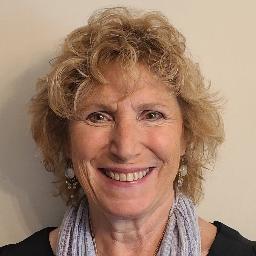
About Louise
Louise Kenny is a licensed clinical social worker with 25 years helping people navigate hard life moments. She practices from Connecticut and listens closely to each person’s story before suggesting a way forward. Her calm presence aims to make difficult conversations easier to begin.
She has longstanding experience supporting people through grief and loss, addiction, LGBT concerns, trauma and abuse, and relationship struggles. She also addresses anger, low self-esteem, compassion fatigue, and major life transitions.
Background and approach
Additional areas include caregiver stress, cancer and hospice-related issues, and questions about life purpose and self-love. Louise uses humanistic, existential, and client-centered ideas to guide sessions. She pays attention to how someone’s history and family patterns shape current habits.
She will offer practical steps when those are useful, and gentler exploration when deeper meaning is needed. Therapy with her is collaborative. She listens first, then helps people set goals that fit their pace and needs.
Sessions can include concrete skills, reflective discussion, or a mix of both depending on the problem. Louise accepts sessions in English and works remotely with people located in the United States. Her professional licences are FL LCSW SW6941 and CT LCSW 004204.
To begin, a simple questionnaire and scheduling step connect people to her practice.
Approaches that guide online sessions
Client-centered therapy focuses on listening and responding to what matters most to the person. The therapist provides empathy and reflection so people feel seen, and then they work together on goals that matter in daily life.Cognitive Behavioral Therapy, or CBT, looks at the link between thoughts, feelings, and actions. It uses practical exercises and small experiments to change unhelpful patterns, which can help with anxiety, depression, and coping with change.
Existential therapy invites questions about meaning, choice, and life direction. It helps people face big concerns like loss, purpose, and how to live with uncertainty while making decisions that fit their values.
Finding the right approach is a collaborative process. The therapist will listen to a person’s concerns, try out methods that fit those goals, and adjust as needed. Clients often mix concrete skill work with deeper reflection over time.
Online formats include video calls, phone sessions, live chat, and text-based messaging. Video is useful for a fuller conversation and visual cues, phone sessions can fit a tight schedule or use less bandwidth, and chat or text are handy for brief check-ins or when a shorter interaction is needed. These options make it easier to fit therapy around work, caregiving, or medical appointments.
Frequently asked questions
What kinds of concerns does Louise address?
How would you describe her therapeutic style?
How much experience does she have?
What are her credentials and where is she based?
Which languages are sessions offered in?
What session formats are available?
How does payment and cost work?
How do I get started with therapy?
Specialties and expertise
Top specialties
Also works with
- Addictions
- Aging and geriatric issues
- Anger management
- Cancer
- Caregiver issues and stress
- Codependency
- Compassion fatigue
- Divorce and separation
- Drug and alcohol addiction
- Family of origin issues
- Forgiveness
- Guilt and shame
- Hospice and end-of-life counseling
- Isolation / loneliness
- Life purpose
- Relationship issues
- Self esteem
- Self-love
- Trauma and abuse
Therapeutic approaches
- Experience
- 25 years
- Licensed
- Connecticut, Florida
- Languages
- English