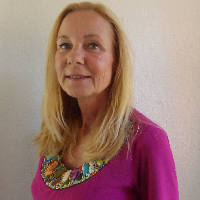
Jacqueline Baiada, LCSW
North Carolina · 30 yrs exp · 2 languages
Works with Relationship / Parenting / Anger +6
Works by Cognitive Behavioral Therapy (CBT) / Mindfulness Therapy
View ProfileThe therapist listings are provided by BetterHelp and we will earn a commission if you use our link - at no cost to you.
Welcome to our directory of online LCSW therapists serving North Carolina. All listed practitioners are licensed clinical social workers - explore profiles to review credentials, languages, and practice focuses.
North Carolina · 30 yrs exp · 2 languages
Works with Relationship / Parenting / Anger +6
Works by Cognitive Behavioral Therapy (CBT) / Mindfulness Therapy
View Profile
North Carolina · 21 yrs exp
Works with Stress, Anxiety / Grief / Eating +13
Works by Acceptance and Commitment Therapy (ACT) / Client-Centered Therapy
View Profile
North Carolina · 10 yrs exp
Works with Stress, Anxiety / Relationship / Family +17
Works by Acceptance and Commitment Therapy (ACT) / Client-Centered Therapy
View Profile
North Carolina · 30 yrs exp
Works with LGBT / Relationship / Family +14
Works by Acceptance and Commitment Therapy (ACT) / Attachment-Based Therapy
View Profile
North Carolina · 30 yrs exp
Works with Stress, Anxiety / Relationship / Family +11
Works by Client-Centered Therapy / Cognitive Behavioral Therapy (CBT)
View Profile
North Carolina · 16 yrs exp
Works with Stress, Anxiety / Addictions / Trauma and abuse +14
Works by Acceptance and Commitment Therapy (ACT) / Client-Centered Therapy
View Profile
North Carolina · 8 yrs exp
Works with Stress, Anxiety / Trauma and abuse / Parenting +9
Works by Attachment-Based Therapy / Client-Centered Therapy
View Profile
North Carolina · 15 yrs exp
Works with LGBT / Relationship / Family +8
Works by Attachment-Based Therapy / Client-Centered Therapy
View Profile
North Carolina · 24 yrs exp
Works with Stress, Anxiety / Relationship / Family +15
Works by Client-Centered Therapy / Cognitive Behavioral Therapy (CBT)
View Profile
North Carolina · 3 yrs exp
Works with Stress, Anxiety / Anger / Self esteem +6
Works by Client-Centered Therapy / Cognitive Behavioral Therapy (CBT)
View Profile
North Carolina · 16 yrs exp
Works with Stress, Anxiety / Self esteem / Depression +10
Works by Cognitive Behavioral Therapy (CBT)
View Profile
North Carolina · 8 yrs exp
Works with Stress, Anxiety / Addictions / Family +9
Works by Client-Centered Therapy / Cognitive Behavioral Therapy (CBT)
View Profile
North Carolina · 26 yrs exp
Works with Stress, Anxiety / Grief / Self esteem +4
Works by Client-Centered Therapy / Cognitive Behavioral Therapy (CBT)
View Profile
North Carolina · 14 yrs exp
Works with Stress, Anxiety / Relationship / Family +10
Works by Acceptance and Commitment Therapy (ACT) / Client-Centered Therapy
View Profile
North Carolina · 14 yrs exp
Works with Stress, Anxiety / Addictions / Self esteem +12
Works by Client-Centered Therapy / Cognitive Behavioral Therapy (CBT)
View Profile
North Carolina · 23 yrs exp
Works with Stress, Anxiety / Relationship / Sleeping +11
Works by Client-Centered Therapy / Cognitive Behavioral Therapy (CBT)
View Profile
North Carolina · 14 yrs exp
Works with Stress, Anxiety / Relationship / Family +13
Works by Client-Centered Therapy / Cognitive Behavioral Therapy (CBT)
View Profile
North Carolina · 12 yrs exp
Works with Relationship / Family / Career +10
Works by Client-Centered Therapy / Cognitive Behavioral Therapy (CBT)
View Profile
North Carolina · 4 yrs exp
Works with Stress, Anxiety / Relationship / Self esteem +2
View Profile
North Carolina · 33 yrs exp
Works with Stress, Anxiety / Relationship / Family +13
Works by Cognitive Behavioral Therapy (CBT) / Motivational Interviewing
View Profile
North Carolina · 15 yrs exp
Works with Stress, Anxiety / Addictions / Relationship +2
Works by Cognitive Behavioral Therapy (CBT) / Dialectical Behavior Therapy (DBT)
View Profile
North Carolina · 36 yrs exp
Works with Stress, Anxiety / Relationship / Grief +13
Works by Acceptance and Commitment Therapy (ACT) / Attachment-Based Therapy
View Profile
North Carolina · 13 yrs exp
Works with Stress, Anxiety / Addictions / Grief +12
Works by Acceptance and Commitment Therapy (ACT) / Attachment-Based Therapy
View Profile
North Carolina · 12 yrs exp
Works with Stress, Anxiety / Addictions / Relationship +9
View Profile
North Carolina · 20 yrs exp
Works with Stress, Anxiety / Trauma and abuse / Grief +2
View Profile
North Carolina · 21 yrs exp
Works with Stress, Anxiety / Addictions / Anger +2
View Profile
North Carolina · 8 yrs exp
Works with Grief / Anger / Self esteem +2
View Profile
North Carolina · 12 yrs exp
Works with Stress, Anxiety / Relationship / Self esteem +2
View Profile
North Carolina · 26 yrs exp
Works with Stress, Anxiety / Relationship / Family +10
Works by Client-Centered Therapy / Cognitive Behavioral Therapy (CBT)
View Profile
North Carolina · 13 yrs exp
Works with Stress, Anxiety / Addictions / Trauma and abuse +2
Works by Acceptance and Commitment Therapy (ACT) / Attachment-Based Therapy
View Profile
North Carolina · 36 yrs exp
Works with Stress, Anxiety / Addictions / Relationship +2
Works by Acceptance and Commitment Therapy (ACT) / Client-Centered Therapy
View Profile
North Carolina · 10 yrs exp
Works with Stress, Anxiety / Family / Grief +13
Works by Acceptance and Commitment Therapy (ACT) / Attachment-Based Therapy
View Profile
North Carolina · 7 yrs exp
Works with Stress, Anxiety / Relationship / Trauma and abuse +2
Works by Cognitive Behavioral Therapy (CBT) / Dialectical Behavior Therapy (DBT)
View Profile
North Carolina · 30 yrs exp
Works with Relationship / Family / Self esteem +2
View Profile
North Carolina · 25 yrs exp
Works with Stress, Anxiety / Relationship / Family +2
Works by Client-Centered Therapy / Cognitive Behavioral Therapy (CBT)
View Profile
North Carolina · 15 yrs exp
Works with Stress, Anxiety / Grief / Depression +2
View Profile
North Carolina · 5 yrs exp
Works with Stress, Anxiety / Addictions / Trauma and abuse +2
Works by Client-Centered Therapy / Cognitive Behavioral Therapy (CBT)
View Profile
North Carolina · 3 yrs exp
Works with Stress, Anxiety / Grief / Anger +2
View Profile
North Carolina · 14 yrs exp
Works with Stress, Anxiety / Self esteem / Depression +1
View Profile
North Carolina · 7 yrs exp
Works with Stress, Anxiety / Trauma and abuse / Self esteem +2
View Profile
North Carolina · 25 yrs exp
Works with Stress, Anxiety / Relationship / Trauma and abuse +10
Works by Cognitive Behavioral Therapy (CBT) / Dialectical Behavior Therapy (DBT)
View Profile
North Carolina · 45 yrs exp
Works with Stress, Anxiety / Relationship / Family +9
Works by Cognitive Behavioral Therapy (CBT) / Existential Therapy
View Profile
North Carolina · 11 yrs exp
Works with Stress, Anxiety / Family / Self esteem +9
Works by Acceptance and Commitment Therapy (ACT) / Cognitive Behavioral Therapy (CBT)
View Profile
North Carolina · 20 yrs exp
Works with Stress, Anxiety / Addictions / Trauma and abuse +10
Works by Client-Centered Therapy / Cognitive Behavioral Therapy (CBT)
View Profile
North Carolina · 11 yrs exp
Works with Stress, Anxiety / Relationship / Family +11
Works by Acceptance and Commitment Therapy (ACT) / Attachment-Based Therapy
View Profile
North Carolina · 11 yrs exp
Works with Stress, Anxiety / Family / Grief +7
Works by Acceptance and Commitment Therapy (ACT) / Client-Centered Therapy
View Profile
North Carolina · 7 yrs exp
Works with Stress, Anxiety / Trauma and abuse / Self esteem +10
Works by Acceptance and Commitment Therapy (ACT) / Cognitive Behavioral Therapy (CBT)
View Profile
North Carolina · 11 yrs exp
Works with Stress, Anxiety / Trauma and abuse / Self esteem +14
View ProfileAn LCSW is a licensed clinical social worker who has completed a graduate degree in social work, undertaken a state-set period of supervised post-graduate clinical experience, and passed a clinical licensing exam. The license is issued and renewed by the state board, and the exact scope of practice and title can vary from state to state. In plain terms, choosing an LCSW means you are connecting with someone whose training emphasizes both the person and the context around them. Social work education and practice use a person-in-environment perspective - that means an LCSW will consider your housing, work, family systems, finances, community supports, and access to services alongside your internal experience.
Many LCSWs in North Carolina offer online sessions as part of their practice. Online sessions use video or phone formats to allow you to meet with a clinician from home, from a nearby office, or from another location within the state. Telehealth can increase access to care for people in rural areas or for those with limited mobility, and it can make it easier to maintain continuity of care when schedules or life circumstances change. Regulations govern where and how clinicians can provide services, and those rules influence how LCSWs deliver care across state lines. If you live in North Carolina, an LCSW licensed in this state will be authorized to practice under North Carolina's licensing rules.
Online sessions can reduce travel time and make it easier to fit appointments into a busy schedule. For many people in North Carolina, that convenience is a primary benefit - you can access an LCSW without commuting through city traffic or driving long distances from rural communities. Online formats also expand the range of clinicians you can consider when language, cultural background, or specific clinical interests matter to you. If you prefer to meet with someone who shares your language or cultural perspective, online options increase the chance of finding that match.
The person-in-environment orientation of an LCSW can be especially helpful when practical and social factors are part of what you want to address. An LCSW who understands local community resources, housing or employment services, and family systems can help you connect those external supports to your clinical work. Online sessions do not change that focus - they simply change the delivery channel. You should also consider technical and privacy aspects of online sessions, and ask about how a clinician manages record keeping, communication, and data protection so you feel comfortable with the practical arrangements.
LCSWs address a wide range of concerns that combine emotional, relational, and practical dimensions. You will commonly find clinicians who work with depression, anxiety, trauma-related challenges, grief and loss, relationship difficulties, parenting questions, life transitions such as relocation or career change, and stress related to caregiving. Because social work training emphasizes systems and resources, LCSWs often help clients navigate intersections between mental health and concrete life needs - for example, linking you with community programs, benefits counseling, or family supports when those are relevant to your goals.
Some LCSWs list particular areas of focus or therapeutic approaches on their profiles. When reviewing those descriptions, remember that a profile indicates what a therapist highlights about their practice rather than a guarantee of specific certifications. You may notice therapists who list trauma-informed care, approaches aimed at anxiety, or relationship-focused work among their stated interests. That variety means you can look for someone whose focus aligns with the concerns you want to address and whose communication style feels like a fit for you.
Verifying licensure is a straightforward step you can take to confirm a clinician's standing. Many therapist profiles include a license number and the state that issued it. You can use that information to search the North Carolina licensing board's online license verification tool or to perform a web search for "North Carolina LCSW license lookup" which will direct you to the official state resource. On a license lookup page you can confirm that the license type is LCSW, view the status and expiration date, and see whether there are any public disciplinary actions or restrictions listed by the board.
If you cannot find a license number on a profile, you can contact the clinician's office to request the information and then verify it with the board. The licensing board can also answer questions about differences between license titles and explain the scope of practice for LCSWs in North Carolina. Keeping a record of the license number and checking the public record is a practical step that gives you clear information about a clinician's regulatory status without relying on secondary sources.
Begin by reviewing profiles for credentials, areas of focus, languages spoken, and clinical interests that match your priorities. Look for mentions of experience working with the issues you want to address and for descriptions that feel aligned with your expectations about collaboration and goals. Because social work pays attention to the interaction between your environment and your internal experience, you may want to note whether a clinician mentions community resources, case coordination, or systems work when those elements are important to you.
When you are ready to reach out, prepare a few questions that matter most to you. Ask about session length, typical meeting formats, how they approach goal-setting, and what you can expect in early sessions. It is reasonable to inquire about fees, insurance or payment options, and whether they offer sliding scale arrangements. You may also want to know how they handle cancellations, how they communicate between sessions, and what technical platforms they use for video calls. For your own comfort during online sessions, choose a quiet, private space where interruptions are unlikely and test your internet connection and device ahead of time. Have a backup plan in case of connection problems, such as agreeing to continue a session by phone if video fails.
Finally, trust your sense of fit. An initial conversation or introductory exchange can give you a sense of whether a clinician's style and perspective work for you. Because the directory focuses on LCSW clinicians, you can expect a baseline of social work training and orientation. Use profile details about languages, population focus, and stated clinical interests to narrow choices and then contact the clinicians whose profiles resonate to learn more. Over time, that process can help you identify an LCSW whose approach and background align with your needs and preferences while ensuring you remain informed about licensure and practice details.
Online work with a licensed LCSW can be a practical and flexible way to engage with care that considers both your inner experience and the life circumstances that shape it. By reviewing profiles, confirming licensure through the state board, and asking focused questions about practice and logistics, you can make an informed start that fits your priorities and lifestyle.
Addictions
2936 therapists
ADHD
2418 therapists
Anger
3557 therapists
Bipolar
2461 therapists
Chronic Illness
1598 therapists
Chronic Pain
1598 therapists
Compulsion
1233 therapists
Control Issues
2707 therapists
Depression
6520 therapists
Disaster Relief Therapy
1305 therapists
Dissociation
721 therapists
Domestic Violence
1680 therapists
Eating Disorders
1022 therapists
Gambling
791 therapists
Grief
4584 therapists
Guilt and Shame
4562 therapists
Impulsivity
2173 therapists
Intimacy Issues
2385 therapists
Isolation / Loneliness
4432 therapists
Midlife Crisis
2242 therapists
Mood Disorders
3337 therapists
Obsession
1233 therapists
OCD
1233 therapists
Panic Disorder and Panic Attacks
2828 therapists
Phobias
837 therapists
Post-Traumatic Stress
3703 therapists
Postpartum Depression
1588 therapists
Seasonal Affective Disorder (SAD)
1891 therapists
Self Esteem
6266 therapists
Self-Harm
1411 therapists
Sexual Trauma
1441 therapists
Sleeping Disorders
1296 therapists
Social Anxiety and Phobia
3959 therapists
Stress & Anxiety
7344 therapists
Trauma and Abuse
5115 therapists
Abandonment
2512 therapists
Adoption
1323 therapists
Aging and Geriatric Issues
2068 therapists
Attachment Issues
2817 therapists
Blended Family Issues
1929 therapists
Body Image
1932 therapists
Career
3196 therapists
Caregiver Issues and Stress
3641 therapists
Codependency
2354 therapists
Commitment Issues
1769 therapists
Communication Problems
5232 therapists
Compassion Fatigue
2989 therapists
Coping with Life Changes
5723 therapists
Divorce
3004 therapists
Family
4349 therapists
Family of Origin Issues
1933 therapists
Fatherhood Issues
1024 therapists
Fertility Issues
662 therapists
First Responder Issues
1280 therapists
Forgiveness
4087 therapists
Foster Care
1323 therapists
Hospice and End-of-Life Counseling
1644 therapists
Infidelity
1633 therapists
Jealousy
1503 therapists
Life Purpose
4651 therapists
Money and Financial Issues
1558 therapists
Parenting
3476 therapists
Pregnancy
1360 therapists
Relationship
5303 therapists
Self-Love
4911 therapists
Separation
3004 therapists
Sexuality
1368 therapists
Workplace Issues
3111 therapists