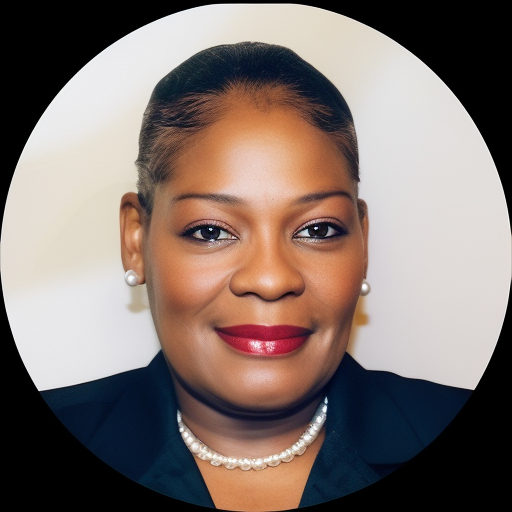
About Tywania
Tywania Harris is a licensed clinical social worker in North Carolina who helps people work through stress, anxiety, grief, anger and depression. She offers practical support and coaching aimed at everyday problems. Her approach is caring and straightforward, with an emphasis on what someone needs right now.
She focuses on issues many people face during life transitions, including divorce and separation, workplace challenges, and changes tied to parenting or caregiving.
Background and approach
Tywania often helps people who feel isolated or who struggle with guilt, shame, or low self-worth. She also supports women navigating personal growth and role shifts. In sessions she works with clients on communication skills and problem solving.
That may look like identifying unhelpful thought patterns, trying small behavior changes, or practicing clearer ways to ask for what you need. Her work includes coaching-style guidance when people want concrete next steps for change. Tywania draws from evidence-based therapeutic techniques and adapts her methods to fit each person.
She emphasizes collaboration - clients and therapist set goals together and adjust the plan as needed. The aim is steady progress rather than quick fixes. She has three years of clinical experience and holds the LCSW credential, listed as NC LCSW C018093.
Sessions are offered in English and delivered through a mix of video calls, phone, live chat, and text messaging. To begin, a short matching questionnaire is completed and sessions are scheduled according to availability.
Evidence-Based Techniques and Online Care
Tywania uses evidence-based therapeutic techniques to address common emotional concerns. One approach focuses on identifying and changing unhelpful thought patterns to reduce worry and low mood; it helps people notice how thoughts affect feelings and behavior and practice healthier responses. Another approach emphasizes skill-building for communication and coping - sessions may include practicing conversations, setting boundaries, and trying small behavioral experiments to test new ways of relating.Finding the right approach is part of the work. The therapist collaborates with each person to choose and adapt methods based on goals, needs, and preferences. That means trying different tools over time and adjusting what’s used so it fits the person’s life and progress.
Online formats include video calls, phone sessions, live chat, and text-based messaging. Video calls allow face-to-face conversation for deeper exchanges. Phone sessions can be easier when bandwidth is limited or for a quick check-in. Live chat and messaging are useful for short updates, brief coaching, or when someone wants asynchronous options. These formats provide flexibility to fit sessions into work breaks, caregiving schedules, or when in-person visits aren’t convenient.
Frequently asked questions
What concerns does this therapist help with?
How would you describe the therapeutic style?
What is her professional background?
What credentials and location are listed?
Which languages are supported and are international clients accepted?
What session formats are available?
How does pricing work?
How do I get started?
Specialties and expertise
Top specialties
- Stress, Anxiety
- Grief
- Anger management
Also works with
- Experience
- 3 years
- Licensed
- North Carolina
- Languages
- English