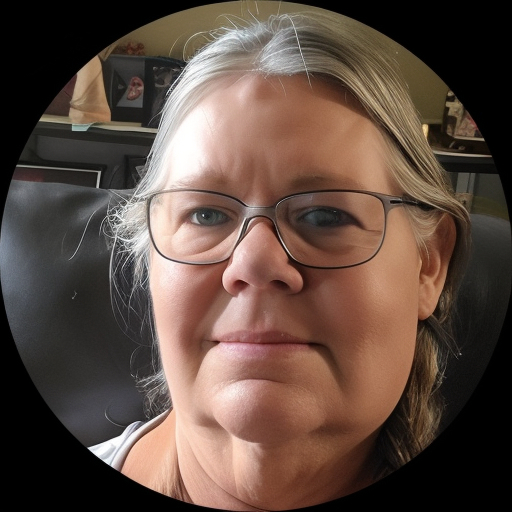
About Theresa
Theresa Shultz is a licensed clinical social worker who helps people cope with stress, anxiety, addiction, trauma, depression, grief, and related concerns. She brings a calm, straightforward style and a long personal history of recovery to sessions. Theresa aims to meet clients where they are and work at a pace that feels manageable.
Theresa listens without judgment and speaks plainly. She focuses on practical steps and tools that people can use between sessions.
Background and approach
Her manner is warm and direct, and she treats therapy as a teamwork process with clear goals. Theresa uses a mix of approaches depending on each person’s needs. She draws on Acceptance and Commitment Therapy to help people clarify values and take purposeful action.
She also uses Cognitive Behavioral Therapy to identify unhelpful thinking and Mindfulness strategies to build present-moment awareness. Her background includes many years in social work and 16 years of professional experience supporting those with mood concerns, addiction, trauma, and relationship strain.
Theresa is based in North Carolina and holds the NC LCSW C007719 credential, which identifies her as a licensed clinical social worker in the state. Theresa often integrates Motivational Interviewing for people working on change and solution-focused ideas for short-term goals. She aims to help people set achievable steps and follow through at their own pace.
Approaches that translate well to online care
Acceptance and Commitment Therapy (ACT) helps people name what matters to them and take small steps toward those values. It focuses on actions you can practice between sessions, which works well in remote formats. Cognitive Behavioral Therapy (CBT) looks at patterns of thinking and behavior and teaches clear strategies to shift them, such as thought records and behavioral experiments useful for video or chat work. Mindfulness Therapy teaches simple attention and breathing practices to reduce reactivity and increase calm in daily life.Finding the best approach is a collaborative process. The therapist will talk with each person about needs, goals, and preferences, then try methods that fit. If something does not feel right, the plan can change as work progresses.
Online therapy offers practical flexibility. Video calls let you use worksheets and see facial cues. Phone sessions work well when bandwidth or camera use is an issue. Live chat and text-based messaging let people check in between sessions, share updates, or have shorter focused exchanges. These options make it easier to fit therapy into busy days and continue progress from different locations.
Frequently asked questions
What kinds of problems does she help with?
How would you describe her therapeutic style?
What is her professional background?
What credentials and location are listed?
In which languages are sessions offered?
What session formats are available?
How are fees and billing handled?
How do I begin working with her?
Specialties and expertise
Top specialties
Also works with
- ADHD
- Anger management
- Bipolar disorder
- Career difficulties
- Communication problems
- Compassion fatigue
- Coping with life changes
- Depression
- Family conflicts
- First responder issues
- Forgiveness
- Grief
- Guilt and shame
- Isolation / loneliness
- Jealousy
- LGBT
- Life purpose
- Parenting issues
- Phobias
- Process addiction (porn, exercise, gambling)
- Relationship issues
- Seasonal Affective Disorder (SAD)
- Self esteem
- Self-harm
- Self-love
- Sleeping disorders
- Social anxiety and phobia
- Veteran and Armed Forces Issues
Therapeutic approaches
- Experience
- 16 years
- Licensed
- North Carolina
- Languages
- English