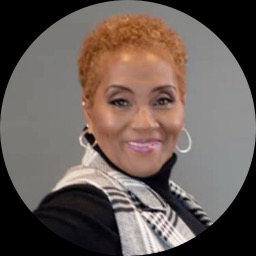
About Pamela
Pamela Peoples is a licensed clinical social worker in North Carolina who helps people facing stress, anxiety, low self-esteem, depression, and big life changes. She supports those dealing with ADHD challenges, relationship or family strain, grief, trauma, and parenting concerns. Her approach is direct and practical, aimed at making daily life feel more manageable.
Pamela keeps sessions straightforward. She creates a calm space for people to talk about what worries them.
Background and approach
Conversations focus on clear steps and small changes that can make a difference. She listens without judgment and helps clients set realistic goals. Her work uses Cognitive Behavioral Therapy, which links thoughts, feelings, and actions to find practical ways forward.
Pamela helps people notice unhelpful thinking and try new behavioral strategies. She also brings coaching skills to support career questions and life transitions. With 16 years of experience as an LCSW - Licensed Clinical Social Worker - Pamela draws on varied work helping people cope with chronic illness, caregiving stress, adoption and foster care concerns, and substance-related issues.
She tailors sessions to each person’s situation and pace. Sessions are offered in English and take place online in formats that fit busy schedules. Pamela aims to help clients build tools they can use outside of sessions, whether the focus is on mood, focus, relationships, or rebuilding after loss.
How CBT and online sessions work together
CBT, or Cognitive Behavioral Therapy, focuses on how thoughts influence feelings and actions. It helps people spot unhelpful thinking patterns and practice new behaviors to reduce anxiety, depression, or overwhelm. Sessions often include simple exercises to try between meetings.Pamela combines CBT with practical coaching techniques to address work or life transitions. This means conversations lead to specific plans, small experiments, and skills you can use right away for concentration, mood, or relationship challenges.
Finding the right approach is a partnership. Pamela will talk with each person about goals, preferences, and what feels useful. Together they decide whether to focus more on thought patterns, behavioral changes, or coaching-style planning.
Online therapy offers flexibility for busy lives. Video calls allow face-to-face conversation when visual connection helps. Phone sessions can be a good option when bandwidth is limited or a simpler check-in fits a short break. Live chat and text-based messaging work well for quick reflections, ongoing coaching, or when sending short updates between sessions. These formats make it easier to fit therapy into work, caregiving, or medical schedules while keeping treatment focused and practical.
Frequently asked questions
What concerns does Pamela help with?
What is her therapy style like?
How much clinical experience does she have?
What are her credentials and where is she located?
Which languages are supported for sessions?
Can people outside the U.S. work with her?
What session formats are available?
How do I get started?
Specialties and expertise
Top specialties
Also works with
- Abandonment
- ADHD
- Adoption and foster care
- Aging and geriatric issues
- Bipolar disorder
- Blended family issues
- Cancer
- Career difficulties
- Caregiver issues and stress
- Chronic pain, illness, and disability
- Co-morbidity
- Coaching
- Codependency
- Communication problems
- Coping with life changes
- Divorce and separation
- Domestic violence
- Drug and alcohol addiction
- Family conflicts
- Family problems
- Forgiveness
- Grief
- Guilt and shame
- HIV / AIDS
- Hospice and end-of-life counseling
- Intellectual disability
- Money and financial issues
- Panic disorder and panic attacks
- Parenting issues
- Relationship issues
- Self-love
- Trauma and abuse
- Women's issues
- Workplace issues
Therapeutic approaches
- Experience
- 16 years
- Licensed
- North Carolina
- Languages
- English