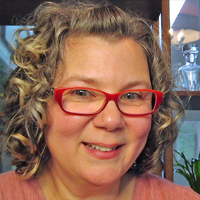
About Tanya
Tanya Richmond is a licensed clinical social worker with 26 years of experience helping people cope with stress, anxiety, grief, trauma, and life changes. She focuses on issues like self-esteem, compassion fatigue, career concerns, and support for caregivers and people facing aging or end-of-life questions. Tanya uses practical tools and steady listening to help people take small steps forward.
Her approach is warm, person-centered, and reflective. Sessions are tailored to each person's needs rather than a one-size-fits-all plan.
Background and approach
She listens first to understand what matters most, then helps set achievable goals and strategies that fit daily life. Tanya often blends mindfulness practices with solution-focused and trauma-informed techniques. She uses breathing exercises, guided meditation, and gentle movement as options when they help clients feel calmer and more grounded.
Cognitive behavioral ideas are used to identify unhelpful thoughts and try different ways of responding. People who are worn down by caregiving, facing loss, or managing long-term stress may find her style especially practical. She also supports those dealing with isolation, life purpose questions, and recovery from abuse or traumatic events.
Tanya aims to help clients build realistic coping skills and stronger self-care routines. Based in North Carolina, Tanya brings a steady, respectful presence to sessions. Her work emphasizes dignity, clear communication, and collaborative planning so people can move toward a more manageable, meaningful day-to-day life.
Using person-centered and practical approaches online
Client-centered therapy focuses on listening and understanding each person's values and goals. It helps people feel heard and guides decisions about what to try next based on what matters to them. Cognitive Behavioral Therapy, or CBT, looks at how thoughts, feelings, and actions interact and offers straightforward tools to change unhelpful patterns, which can reduce anxiety or improve mood. Mindfulness therapy teaches simple attention and breathing practices to calm the body and interrupt automatic reactions; these skills can be useful for stress, grief, and compassion fatigue.Choosing the right approach is part of the work together. The therapist will discuss options, try strategies, and adjust plans based on how the client responds. That collaborative process helps match techniques to the person's goals and daily life needs.
Online therapy offers flexibility for busy or geographically distant people. Video calls allow face-to-face conversation and visual cues, while phone sessions can fit into a short break or require less bandwidth. Live chat and text messaging work well for quick check-ins, step-by-step homework, and ongoing support between sessions. These formats make it easier to use mindfulness exercises, practice breathing techniques, or try CBT tools where daily life happens.
Frequently asked questions
What concerns does Tanya focus on?
What is her therapeutic style like?
How much experience does she have?
What are her credentials and where is she located?
Which languages are sessions offered in?
What session formats are available?
How does pricing and payment work?
What steps are needed to begin therapy?
Specialties and expertise
Top specialties
Also works with
Therapeutic approaches
- Experience
- 26 years
- Licensed
- North Carolina
- Languages
- English