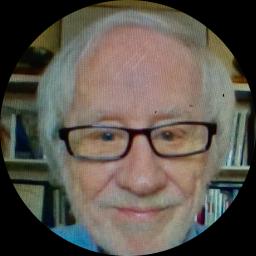
About Samuel
Samuel Parker is a Licensed Clinical Social Worker who helps people facing stress, anxiety, depression, grief, trauma and relationship strains. He offers straightforward support for career stress, intimacy concerns, compassion fatigue, and communication problems. His approach is practical and geared toward everyday life changes.
He earned a Master of Social Work from the University of North Carolina at Chapel Hill and has worked in clinical settings since 1989. That long experience includes roles in direct therapy, group and family work, and managing human service programs.
Background and approach
Over the years he has seen the ways trauma, loss, and relationship conflict often overlap. In sessions he uses methods that help people change unhelpful thinking and behavior, revisit life meaning, and tell their story in ways that open new options. He draws on Cognitive Behavioral Therapy, narrative approaches, existential ideas, and elements from Jungian work to match what each person needs.
Motivational interviewing is used when people want help making concrete changes. Samuel focuses on clear, practical steps alongside deeper reflection. He offers phone, video, chat, and text formats to fit busy lives.
Sessions aim to clarify goals, build coping skills, and reduce overwhelming feelings so people can function better day to day. He practices in North Carolina and brings 45 years of professional experience to his work. Samuel keeps language plain and direct in sessions, helping people find realistic ways to move forward.
Therapeutic approaches and online options that fit your life
Samuel often uses Cognitive Behavioral Therapy to help people identify and change unhelpful thoughts and behaviors. This approach is practical and can help with anxiety, depression, and stress by teaching concrete coping skills.He also draws on Existential Therapy, which looks at meaning, choice, and personal values. That work can help when life changes or grief raise big questions about purpose and direction. Narrative Therapy is used to reframe the stories people tell about themselves and their relationships, which can open up new ways of acting and relating.
Choosing the best approach is a collaborative process. The therapist will ask about current goals, what has or hasn’t helped before, and personal preferences. Together they try an approach and adjust it as progress is made, blending practical techniques with deeper reflection when needed.
Online therapy offers flexible ways to meet without traveling. Video calls allow face-to-face conversations; phone sessions work when video is difficult or bandwidth is low. Live chat and text messaging provide brief check-ins, coaching moments, or ongoing support between longer sessions. These options make it easier to fit therapy into work, family, or busy schedules while focusing on the same clinical work used in in-person care.
Frequently asked questions
What concerns does Samuel address?
What is his general therapy style?
How much experience does he have?
What credentials and location are listed?
Which languages are supported and can he see international clients?
What session formats are available?
How does billing and cost work?
What are the steps to begin?
Specialties and expertise
Top specialties
- Stress, Anxiety
- Relationship issues
- Family conflicts
Also works with
Therapeutic approaches
- Experience
- 45 years
- Licensed
- North Carolina
- Languages
- English