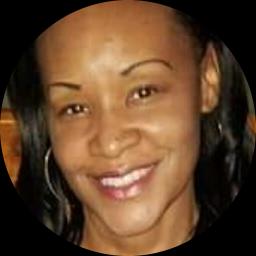
About Angela
Angela Greene-Junior helps people who are dealing with stress, anxiety, depression, addictions, anger, and relationship concerns. She makes space for faith when clients want to include it. Angela speaks plainly and aims to make early steps feel manageable for someone who is worried or unsure.
She has more than 15 years of professional experience and holds licenses for clinical social work. Angela is listed as LCSW in North Carolina and LISW-CP in South Carolina.
Background and approach
Her background includes work with mental health and addiction issues across a range of settings. In sessions she uses practical skills from approaches like cognitive behavioral therapy and mindfulness therapy. She also draws on dialectical behavior therapy tools, motivational interviewing, and solution-focused techniques.
Those methods are used to help people change unhelpful patterns, manage strong emotions, and set realistic short-term goals. Angela aims to tailor conversations and plans to each person’s needs. She describes herself as respectful and compassionate, and she welcomes clients who want faith to be part of their healing.
Sessions focus on clear steps and skills that can be put to use between meetings. For someone taking a first step, Angela offers straightforward guidance on how therapy works and what to expect. She encourages people to complete a short matching questionnaire and schedule a first conversation when they are ready.
Approaches that translate well to online therapy
CBT, or cognitive behavioral therapy, helps people notice and change unhelpful thoughts and behaviors. It is often used for anxiety, depression, and stress and includes clear exercises clients can practice between sessions. DBT, or dialectical behavior therapy, teaches emotion regulation and distress tolerance skills that help when strong feelings or anger are frequent. Mindfulness therapy focuses on slowing down, noticing present-moment experience, and reducing reactivity to stressors.Choosing the right approach is a collaborative process. The therapist will listen to your goals, try different strategies, and adjust the plan as needed. Expect a mix of skill-building, short-term goals, and practical homework that fits your life.
Online sessions are offered by video calls, phone sessions, live chat, or text-based messaging to make therapy more flexible. Video allows face-to-face conversation and screen-sharing for worksheets. Phone sessions can be a good fit when bandwidth is limited or when a shorter check-in is needed. Chat and text messaging work well for quick check-ins, progress notes, or extra support between meetings.
Frequently asked questions
What concerns does this therapist address?
How would you describe the therapy style?
What is the therapist's experience and background?
What credentials and location are listed?
In which languages are sessions offered?
What session formats are available?
How does cost and billing work?
How do I begin working with this therapist?
Specialties and expertise
Top specialties
- Stress, Anxiety
- Addictions
- Relationship issues
Also works with
- Anger management
- Depression
Therapeutic approaches
- Experience
- 15 years
- Licensed
- South Carolina, North Carolina
- Languages
- English