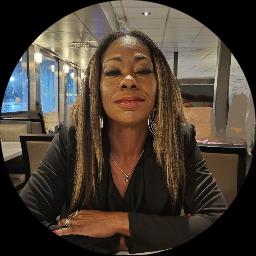
About Fanteema
Fanteema Barnes-Watson helps people facing stress, anxiety, depression, relationship strain, trauma and abuse, and challenges with self-esteem. She is a licensed clinical social worker with 25 years of practice. Her tone is direct and warm, aimed at parents and adults looking for practical support.
She uses straightforward tools to help people feel steadier day to day. Sessions focus on things that can change now - coping skills, communication, and safety planning when trauma or anger are involved.
Background and approach
She also addresses grief, career stress, compassion fatigue, and the strain of major life changes. Her work pays attention to how culture and bias shape a person’s experience. That includes helping people who face discrimination, veterans and armed forces issues, and those navigating non-monogamous or LGBT relationships.
She helps people untangle family of origin problems, forgiveness, guilt and shame, and isolation or loneliness. Fanteema draws from evidence-informed methods such as cognitive behavioral techniques, dialectical skills, mindfulness, solution-focused strategies, and trauma-focused work. She aims to teach skills people can use between sessions and to set clear, achievable goals together.
Licensed Clinical Social Worker is often shortened to LCSW; her licenses include NY LCSW 083531 and NC LCSW C013889. She works with people in North Carolina and communicates in English. Her style is collaborative, steady, and focused on small steps that lead to meaningful change.
Online approaches that teach skills and build safety
Fanteema uses cognitive behavioral techniques and dialectical behavior approaches to help people manage intense emotions and change unhelpful thoughts. Cognitive Behavioral Therapy focuses on clear strategies to shift thinking and behaviors that keep problems going. Dialectical Behavior Therapy offers skills for emotion regulation, distress tolerance, and improving communication under stress.She also integrates trauma-focused methods when past hurt affects current life. Trauma-focused work looks at how trauma shapes reactions and teaches steps for reducing its hold on everyday functioning. Choosing the right mix of these approaches is a collaborative process - the therapist and client decide together what fits the person’s needs, goals, and preferences as work progresses.
Online sessions are offered as video calls, phone sessions, live chat, or text-based messaging. Video calls allow face-to-face interaction for skill practice and deeper conversation. Phone sessions can be a good option when bandwidth is limited or when someone prefers not to be on camera. Live chat and text messaging make it easier to check in quickly or fit brief sessions around work or family demands. These formats give flexibility for maintaining steady work on goals without requiring travel.
Frequently asked questions
What concerns does she help with?
What is her therapeutic style?
How much experience does she have?
What are her credentials and location?
Which languages are offered and can international clients work together?
What session formats are available?
How does cost work?
How do I begin working together?
Specialties and expertise
Top specialties
- Stress, Anxiety
- Relationship issues
- Trauma and abuse
Also works with
- Anger management
- Career difficulties
- Communication problems
- Compassion fatigue
- Coping with life changes
- Depression
- Family conflicts
- Family of origin issues
- Family problems
- Forgiveness
- Grief
- Guilt and shame
- Isolation / loneliness
- LGBT
- Life purpose
- Multicultural concerns
- Parenting issues
- Polyamory / non-monogamous relationships
- Post-traumatic stress
- Prejudice and discrimination
- Self esteem
- Self-love
- Sexual assault and abuse
- Social anxiety and phobia
- Veteran and Armed Forces Issues
- Women's issues
- Workplace issues
- Young adult issues
Therapeutic approaches
- Experience
- 25 years
- Licensed
- New Jersey, New York, North Carolina
- Languages
- English