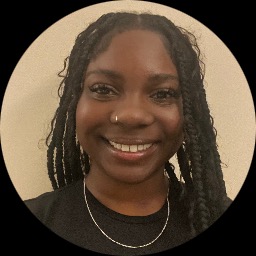
About Tajanay
Tajanay Keaton-Chesson is a licensed clinical social worker in North Carolina who helps people manage stress, anxiety, relationship problems, trauma and abuse, depression, and big life changes. She speaks plainly and focuses on practical steps that can ease daily struggles. She sees therapy as a collaborative process and encourages people to draw on their own strengths while building new skills.
Her approach blends tools from Cognitive Behavioral Therapy and Dialectical Behavior Therapy with emotion-focused work and mindfulness.
Background and approach
That mix lets her help people change unhelpful thoughts, improve emotional awareness, and learn skills for better coping. Sessions often involve setting small, realistic goals and practicing techniques between meetings. Tajanay also supports people with concerns related to body image, intimacy and kink culture, commitment and communication problems, infidelity, and non-monogamous relationships.
She offers a straightforward, nonjudgmental tone when talking about sex, relationships, and identity. She pays attention to safety and consent in those conversations. With seven years of experience, she draws on practical strategies and listening skills to help people move forward.
Tajanay aims to make sessions feel calm and focused so clients can try new ways of handling stress and conflict. People who choose her work with a therapist who values clear tools, steady support, and respect for their personal story. Her goal is to help clients build confidence and clearer direction as they face challenges.
How evidence-based approaches work online
CBT helps people notice thoughts that feed anxiety or low mood and then practice new, more helpful thinking patterns. It is often used to reduce worry, improve mood, and change habits that get in the way of daily life.DBT focuses on building skills for emotion regulation, distress tolerance, and clearer communication. It can be especially useful when emotions feel overwhelming or when relationship interactions keep repeating in painful ways.
Finding the right approach is part of the work. The therapist will talk with clients about goals, preferences, and what feels most useful. Together they try methods, monitor results, and adjust the plan so therapy fits the person’s life and needs.
Online therapy with video, phone, live chat, or text-based messaging makes sessions easier to fit into a busy week. Video calls let people use visual cues and deeper conversation, phone sessions need less bandwidth, chats work for short check-ins, and messaging supports ongoing reflection between meetings. These options give flexibility so clients can choose the format that helps them engage and keep progress moving forward.
Frequently asked questions
What concerns does this therapist address?
How would you describe her therapeutic style?
What is her professional background?
What credentials and location are listed?
Which languages are supported and can she work internationally?
What session formats are available?
How does pricing and payment work?
How do I begin working with her?
Specialties and expertise
Top specialties
- Stress, Anxiety
- Relationship issues
- Trauma and abuse
Also works with
- BDSM, kink, and alternative sex culture
- Body image
- Commitment issues
- Communication problems
- Coping with life changes
- Depression
- Divorce and separation
- Domestic violence
- Eating and food-related issues
- Forgiveness
- Guilt and shame
- Infidelity
- Isolation / loneliness
- Jealousy
- Life purpose
- Polyamory / non-monogamous relationships
- Self-love
- Sex addiction
- Sexual assault and abuse
- Sexuality
- Women's issues
- Young adult issues
Therapeutic approaches
- Experience
- 7 years
- Licensed
- North Carolina, Hawaii
- Languages
- English