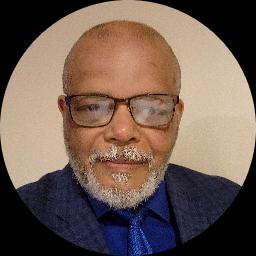
About Paul
Paul Jones is a Licensed Clinical Social Worker who brings eight years of clinical experience to his practice in North Carolina. He focuses on helping people manage stress, anxiety, depression, trauma, and challenges such as parenting and addictions. Paul uses straightforward language and practical steps in sessions so people know what to expect.
He draws on a person-centered approach that looks at each person in the context of their life.
Background and approach
Sessions often focus on identifying what keeps problems going and testing small, workable changes. Paul also uses tools from cognitive work and mindfulness to help people notice unhelpful thoughts and manage strong emotions. People often come for help with relationships, communication problems, life changes, or struggles around self-worth and anger.
He also supports those coping with ADHD, career stress, caregiving strain, and issues tied to past abuse or separation. Paul aims to translate goals into everyday routines that feel achievable. Paul’s style is practical and collaborative.
He listens, asks clear questions, and suggests skills to try between sessions. He can bring faith perspectives into work when a client wants that as part of therapy. Sessions use a subscription model that can be canceled at any time.
People work with him through video calls, phone, live chat, or text messaging based on what fits their schedule and needs.
Approach and online options for practical change
Paul uses client-centered work that meets people where they are and focuses on the person’s goals and values. This approach emphasizes active listening, asking clear questions, and shaping sessions around what the person wants to accomplish, which helps when sorting out parenting, relationship, or life-change concerns.He also draws on Cognitive Behavioral Therapy to help people spot patterns in thinking that fuel anxiety or low mood. CBT offers concrete exercises and homework to test new thinking and build different habits, which can reduce symptoms and improve daily functioning.
Finding the right approach is a collaborative process. Paul will talk through options, try techniques, and adjust plans based on what works for the individual. Clients and the therapist decide together which methods fit the person's needs, goals, and preferences.
Online sessions are offered by video call, phone, live chat, or text-based messaging to make therapy flexible. Video calls allow face-to-face conversation and visual cues. Phone sessions work well for people with limited bandwidth or who prefer not to be on camera. Live chat and text messaging are useful for brief check-ins, paced reflection, or when writing helps clarity. These options make it easier to fit sessions around work, caregiving, or other commitments.
Frequently asked questions
What concerns does Paul help with?
How would you describe his therapeutic style?
What background does he bring to therapy?
Where is Paul based and licensed?
Which languages are supported for sessions?
What session formats are offered?
How does payment and cost work?
How do I begin working together?
Specialties and expertise
Top specialties
- Stress, Anxiety
- Trauma and abuse
- Parenting issues
Also works with
- Abandonment
- Addictions
- ADHD
- Aging and geriatric issues
- Anger management
- Attachment issues
- Blended family issues
- Career difficulties
- Caregiver issues and stress
- Commitment issues
- Communication problems
- Coping with life changes
- Coping with natural or human-caused disaster
- Depression
- Divorce and separation
- Domestic violence
- Family conflicts
- Family problems
- Impulsivity
- Infidelity
- Life purpose
- Men's issues
- Mood disorders
- Multicultural concerns
- Narcissism
- Post-traumatic stress
- Prejudice and discrimination
- Relationship issues
- Self esteem
- Self-harm
- Sex addiction
- Sexual assault and abuse
- Social anxiety and phobia
- Traumatic brain injury
- Veteran and Armed Forces Issues
- Young adult issues
Therapeutic approaches
- Experience
- 8 years
- Licensed
- North Carolina
- Languages
- English