
Betina Bolin, LCSW
Missouri · 16 yrs exp
Works with Stress, Anxiety / Trauma and abuse / Self esteem +13
Works by Client-Centered Therapy / Cognitive Behavioral Therapy (CBT)
View ProfileThe therapist listings are provided by BetterHelp and we will earn a commission if you use our link - at no cost to you.
Welcome to the Missouri online LCSW directory. Every clinician listed here holds a current clinical social work license issued by a state licensing board.
Explore individual profiles to review each LCSW's focus areas, professional credentials, languages, and therapeutic approaches.
Missouri · 16 yrs exp
Works with Stress, Anxiety / Trauma and abuse / Self esteem +13
Works by Client-Centered Therapy / Cognitive Behavioral Therapy (CBT)
View Profile
Missouri · 35 yrs exp
Works with Stress, Anxiety / Trauma and abuse / Anger +14
Works by Acceptance and Commitment Therapy (ACT) / Client-Centered Therapy
View Profile
Missouri · 25 yrs exp
Works with Stress, Anxiety / Addictions / Parenting +13
Works by Client-Centered Therapy / Cognitive Behavioral Therapy (CBT)
View Profile
Missouri · 13 yrs exp
Works with Stress, Anxiety / Addictions / Relationship +7
Works by Cognitive Behavioral Therapy (CBT) / Existential Therapy
View Profile
Missouri · 30 yrs exp
Works with Stress, Anxiety / Relationship / Family +11
Works by Client-Centered Therapy / Cognitive Behavioral Therapy (CBT)
View Profile
Missouri · 35 yrs exp
Works with Stress, Anxiety / Relationship / Family +12
Works by Client-Centered Therapy / Cognitive Behavioral Therapy (CBT)
View Profile
Missouri · 25 yrs exp · 2 languages
Works with Anger / Self esteem / Depression +16
Works by Somatic Therapy / Client-Centered Therapy
View Profile
Missouri · 3 yrs exp
Works with Family / Trauma and abuse / Parenting +9
Works by Client-Centered Therapy / Solution-Focused Therapy
View Profile
Missouri · 21 yrs exp
Works with Stress, Anxiety / Relationship / Trauma and abuse +11
Works by Client-Centered Therapy / Cognitive Behavioral Therapy (CBT)
View Profile
Missouri · 5 yrs exp
Works with Family / Trauma and abuse / Parenting +13
Works by Acceptance and Commitment Therapy (ACT) / Client-Centered Therapy
View Profile
Missouri · 12 yrs exp
Works with Stress, Anxiety / Relationship / Grief +11
Works by Acceptance and Commitment Therapy (ACT) / Attachment-Based Therapy
View Profile
Missouri · 25 yrs exp
Works with Stress, Anxiety / Self esteem / Career +9
Works by Client-Centered Therapy / Cognitive Behavioral Therapy (CBT)
View Profile
Missouri · 3 yrs exp
Works with Trauma and abuse / Grief / Parenting +2
View Profile
Missouri · 20 yrs exp
Works with Stress, Anxiety / Relationship / Self esteem +8
Works by Cognitive Behavioral Therapy (CBT) / Solution-Focused Therapy
View Profile
Missouri · 20 yrs exp
Works with Relationship / Family / Parenting +11
Works by Client-Centered Therapy / Cognitive Behavioral Therapy (CBT)
View Profile
Missouri · 47 yrs exp
Works with Stress, Anxiety / Addictions / Trauma and abuse +10
Works by Somatic Therapy / Acceptance and Commitment Therapy (ACT)
View Profile
Missouri · 12 yrs exp
Works with Stress, Anxiety / Relationship / Self esteem +15
Works by Acceptance and Commitment Therapy (ACT) / Client-Centered Therapy
View Profile
Missouri · 5 yrs exp
Works with Family / Stress, Anxiety / Relationship +3
View Profile
Missouri · 4 yrs exp
Works with Stress, Anxiety / Addictions / Self esteem +1
View Profile
Missouri · 11 yrs exp
Works with Grief / Anger / Self esteem +2
Works by Client-Centered Therapy / Cognitive Behavioral Therapy (CBT)
View Profile
Missouri · 10 yrs exp
Works with Stress, Anxiety / Trauma and abuse / Bipolar +2
View Profile
Missouri · 29 yrs exp
Works with Stress, Anxiety / Trauma and abuse / Grief +2
View Profile
Missouri · 40 yrs exp
Works with Career
View Profile
Missouri · 9 yrs exp
Works with Stress, Anxiety / Family / Trauma and abuse +2
View Profile
Missouri · 25 yrs exp
Works with Stress, Anxiety / Addictions / Relationship +2
View Profile
Missouri · 25 yrs exp
Works with Stress, Anxiety / Relationship / Family +8
Works by Somatic Therapy / Client-Centered Therapy
View Profile
Missouri · 24 yrs exp
Works with Stress, Anxiety / LGBT / Parenting +14
Works by Client-Centered Therapy / Cognitive Behavioral Therapy (CBT)
View Profile
Missouri · 36 yrs exp
Works with Stress, Anxiety / Relationship / Trauma and abuse +16
Works by Acceptance and Commitment Therapy (ACT) / Attachment-Based Therapy
View Profile
Missouri · 17 yrs exp
Works with Stress, Anxiety / Addictions / Relationship +11
Works by Attachment-Based Therapy / Client-Centered Therapy
View Profile
Missouri · 20 yrs exp
Works with Stress, Anxiety / Relationship / Self esteem +11
Works by Client-Centered Therapy / Cognitive Behavioral Therapy (CBT)
View Profile
Missouri · 28 yrs exp
Works with Stress, Anxiety / Self esteem / Depression +16
Works by Somatic Therapy / Client-Centered Therapy
View Profile
Missouri · 14 yrs exp
Works with Stress, Anxiety / Addictions / Trauma and abuse +15
Works by Acceptance and Commitment Therapy (ACT) / Client-Centered Therapy
View Profile
Missouri · 27 yrs exp
Works with Stress, Anxiety / Relationship / Parenting +6
Works by Cognitive Behavioral Therapy (CBT) / Psychodynamic Therapy
View Profile
Missouri · 16 yrs exp
Works with Stress, Anxiety / LGBT / Family +14
Works by Attachment-Based Therapy / Cognitive Behavioral Therapy (CBT)
View Profile
Missouri · 30 yrs exp
Works with Relationship / Parenting / Anger +13
Works by Attachment-Based Therapy / Client-Centered Therapy
View Profile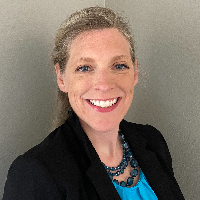
Missouri · 26 yrs exp
Works with Stress, Anxiety / Trauma and abuse / Grief +10
Works by Client-Centered Therapy / Cognitive Behavioral Therapy (CBT)
View Profile
Missouri · 9 yrs exp
Works with Stress, Anxiety / Grief / Anger +9
Works by Cognitive Behavioral Therapy (CBT) / Dialectical Behavior Therapy (DBT)
View Profile
Missouri · 10 yrs exp
Works with Relationship / Family / Parenting +9
View Profile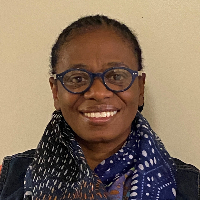
Missouri · 25 yrs exp
Works with Stress, Anxiety / Relationship / Family +7
Works by Client-Centered Therapy / Cognitive Behavioral Therapy (CBT)
View Profile
Missouri · 7 yrs exp
Works with Stress, Anxiety / Family / Grief +14
Works by Acceptance and Commitment Therapy (ACT) / Client-Centered Therapy
View Profile
Missouri · 20 yrs exp
Works with Stress, Anxiety / Relationship / Trauma and abuse +2
View Profile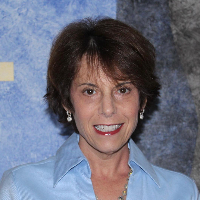
Missouri · 21 yrs exp
Works with Stress, Anxiety / Grief / Anger +10
Works by Acceptance and Commitment Therapy (ACT) / Client-Centered Therapy
View Profile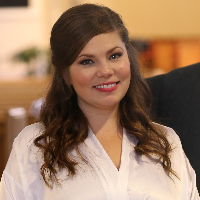
Missouri · 8 yrs exp
Works with Grief / Parenting / Career +12
Works by Acceptance and Commitment Therapy (ACT) / Client-Centered Therapy
View Profile
Missouri · 5 yrs exp
Works with Stress, Anxiety / Relationship / Trauma and abuse +5
View Profile
Missouri · 12 yrs exp
Works with Stress, Anxiety / Trauma and abuse / Anger +12
Works by Acceptance and Commitment Therapy (ACT) / Client-Centered Therapy
View Profile
Missouri · 8 yrs exp
Works with Stress, Anxiety / Relationship / Self esteem +8
Works by Cognitive Behavioral Therapy (CBT) / Dialectical Behavior Therapy (DBT)
View Profile
Missouri · 40 yrs exp
Works with Stress, Anxiety / Trauma and abuse / Anger +10
Works by Client-Centered Therapy / Cognitive Behavioral Therapy (CBT)
View Profile
Missouri · 20 yrs exp
Works with Relationship / Family / Self esteem +10
Works by Client-Centered Therapy / Cognitive Behavioral Therapy (CBT)
View ProfileOnline therapy has become a routine option for people across Missouri, and many Licensed Clinical Social Workers (LCSWs) include remote sessions as part of their practice. An LCSW is a clinician who completed a master of social work degree, a state-required period of supervised post-graduate clinical experience, and a clinical licensing examination. Because licensing rules vary by state, the credential and scope of practice you see listed are specific to the state that issued the license. When you seek online care you will most often connect with LCSWs who are licensed to practice in Missouri, and those license details are usually shown in their profile.
What makes LCSWs distinct is the person-in-environment perspective they bring to clinical practice. That perspective means an LCSW will consider your home, work, family, finances, and community resources in addition to your internal experience. Online sessions can make it easier to talk about those real-world circumstances because you are literally in the context where those circumstances occur. If you live in a small town, commute-heavy suburb, or one of Missouri's larger cities, online sessions expand the pool of clinicians you can connect with without the constraints of travel time.
Online therapy offers practical advantages that many people in Missouri find helpful. You can reduce commuting time and the stress of arranging transportation, which is particularly useful if you live in a rural county or have caregiving responsibilities. Sessions conducted remotely can also make it easier to fit therapy into a busy schedule when work hours, school pickups, or other commitments make in-person visits difficult. For people managing chronic health issues or mobility limitations, remote sessions remove an access barrier that might otherwise prevent consistent care.
Because LCSWs emphasize the person-in-environment framework, online sessions often include focused conversations about housing, employment, social supports, and community resources. That contextual focus can make remote work feel very practical - you can discuss real-time challenges in the environment where they occur. Before your first session, think about finding a private space in your home or another location where you can speak freely and without interruption. Also prepare for basic technical needs - a reliable internet connection, a device with audio and video, and familiarity with common video meeting features - so your time with an LCSW focuses on content rather than connectivity.
LCSWs address a wide range of concerns and often work with clients on both emotional and practical problems. If you are navigating anxiety, depression, relationship strain, grief, life transitions, workplace stress, or the aftermath of trauma, an LCSW can help you explore those experiences while also attending to social and environmental factors that affect your well-being. Many people consult LCSWs for parenting challenges, adjustment to medical conditions, caregiver burnout, and issues related to housing or financial stress, because social work training emphasizes linking clinical care with community supports.
Some LCSWs also work with people coping with substance use concerns, chronic stress, or difficulties navigating systems such as schools, employers, or public benefits. When a clinician lists particular therapeutic approaches on their profile, that description indicates what they report using in sessions; it does not certify special training or guarantee outcomes. If it matters to you that a clinician has experience with a particular population - for example veterans, adolescents, older adults, or members of a particular cultural community - look for profiles that highlight those areas of experience and language proficiency.
Verifying a license is a practical step you can take to confirm that an LCSW is authorized to practice in Missouri. Most states maintain an online license lookup maintained by the state regulatory body that oversees social work licensure. You can use that lookup to search by clinician name or license number and view the license status, expiration date, and any public disciplinary actions. The public record can also confirm the exact title issued by the state - for example LCSW - and help you differentiate that credential from neighboring credentials whose scopes and titles differ.
If you prefer, asking a clinician for their license number and the name of the issuing board is an appropriate question. You can then use the state lookup to confirm the listed information. Keep in mind that licensing boards vary in how they present continuing education and renewal dates, so look for a clearly active license and note any flags or public records the board lists. Verifying a license is a straightforward way to make sure the clinician holds the credential shown in their profile and that the credential is current with the issuing authority.
Getting started with an online LCSW usually begins with looking through clinician profiles to match focus areas and professional details to what matters most for your situation. Think about what you want to address in therapy and which characteristics of a clinician are important to you. Do you prefer someone with experience working with trauma, family systems, school-age children, or caregiving stress? Is it helpful that a clinician lists fluency in a language you speak? Profiles commonly include information about the populations a clinician works with, their professional credential as an LCSW, and the modalities they list as approaches. If a clinician lists EMDR or another method among their approaches, that wording indicates they include that approach among the tools they use rather than constituting formal certification claims on this site.
Before your first appointment consider a few practical items. Prepare a short summary of what brings you to therapy and key background details - medical conditions, medications, major stressors, and relevant history. Check that your device and internet connection support video calls and identify a private space in your home or another location where you can speak openly. Also clarify payment methods, insurance billing, and session length so you know how administrative arrangements will be handled. Many clinicians outline their fees and payment options on their profile or intake information.
When reviewing profiles, focus on comparing clinicians by the areas they list for focus, the therapeutic approaches they note, languages spoken, years of experience, and any populations they highlight. It is appropriate to ask a clinician about their experience with issues similar to yours and how they typically structure online sessions. You can also ask how they handle emergency planning and local referrals in case you need in-person resources. Those questions help you assess fit without relying on availability cues, which profiles do not represent.
Choosing a therapist is a personal decision and sometimes takes a few attempts to find a good match. If a clinician's profile resonates with your goals and background, their listed credentials and experience provide a basis for reaching out to learn more about their approach. Through that initial contact you can get a clearer sense of whether their style and areas of focus align with what you are seeking. Above all, prioritize a clinician whose professional credentials match the level of care you want and whose profile signals experience with the issues that matter most to you.
Online sessions can make it easier for you to access an LCSW who understands both personal experience and environmental context. Use the directory to compare focus areas, approaches, credentials, languages, and experience, then follow up with the clinicians who seem to fit your needs. Taking these steps can help you find an LCSW in Missouri who can support your goals and the real-world challenges that shape them.
Addictions
2936 therapists
ADHD
2418 therapists
Anger
3557 therapists
Bipolar
2461 therapists
Chronic Illness
1598 therapists
Chronic Pain
1598 therapists
Compulsion
1233 therapists
Control Issues
2707 therapists
Depression
6520 therapists
Disaster Relief Therapy
1305 therapists
Dissociation
721 therapists
Domestic Violence
1680 therapists
Eating Disorders
1022 therapists
Gambling
791 therapists
Grief
4584 therapists
Guilt and Shame
4562 therapists
Impulsivity
2173 therapists
Intimacy Issues
2385 therapists
Isolation / Loneliness
4432 therapists
Midlife Crisis
2242 therapists
Mood Disorders
3337 therapists
Obsession
1233 therapists
OCD
1233 therapists
Panic Disorder and Panic Attacks
2828 therapists
Phobias
837 therapists
Post-Traumatic Stress
3703 therapists
Postpartum Depression
1588 therapists
Seasonal Affective Disorder (SAD)
1891 therapists
Self Esteem
6266 therapists
Self-Harm
1411 therapists
Sexual Trauma
1441 therapists
Sleeping Disorders
1296 therapists
Social Anxiety and Phobia
3959 therapists
Stress & Anxiety
7344 therapists
Trauma and Abuse
5115 therapists
Abandonment
2512 therapists
Adoption
1323 therapists
Aging and Geriatric Issues
2068 therapists
Attachment Issues
2817 therapists
Blended Family Issues
1929 therapists
Body Image
1932 therapists
Career
3196 therapists
Caregiver Issues and Stress
3641 therapists
Codependency
2354 therapists
Commitment Issues
1769 therapists
Communication Problems
5232 therapists
Compassion Fatigue
2989 therapists
Coping with Life Changes
5723 therapists
Divorce
3004 therapists
Family
4349 therapists
Family of Origin Issues
1933 therapists
Fatherhood Issues
1024 therapists
Fertility Issues
662 therapists
First Responder Issues
1280 therapists
Forgiveness
4087 therapists
Foster Care
1323 therapists
Hospice and End-of-Life Counseling
1644 therapists
Infidelity
1633 therapists
Jealousy
1503 therapists
Life Purpose
4651 therapists
Money and Financial Issues
1558 therapists
Parenting
3476 therapists
Pregnancy
1360 therapists
Relationship
5303 therapists
Self-Love
4911 therapists
Separation
3004 therapists
Sexuality
1368 therapists
Workplace Issues
3111 therapists