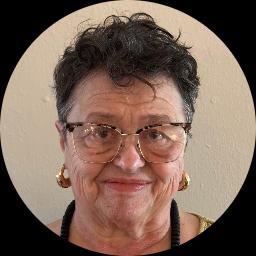
About Susan
Susan Albrecht is a licensed clinical social worker in Missouri with four decades of practice. She brings a steady, supportive presence to sessions and focuses on helping people cope with grief, loss, isolation, depression, and adjustment to health problems. Her approach is warm and nonjudgmental.
She listens closely and adapts her work to each person’s needs and goals. Sessions emphasize practical steps and emotional support so people feel understood and can move forward.
Background and approach
Susan has spent most of her career addressing the mental and physical effects of illness, chronic pain, and end-of-life concerns. That experience gives her familiarity with the strains these issues create for daily life and relationships. She draws on evidence-based therapeutic techniques to guide problem solving and emotional processing.
People often come to her when they feel stuck by grief, overwhelmed by adjustment to health changes, or isolated by depression. In the room she offers steady attention, validation, and tools to manage symptoms and make decisions. The work is paced to match what each person can handle.
Susan welcomes a person’s story and focuses on practical, compassionate help. She aims to empower people to find clearer paths through hard times. Her Missouri license as a Licensed Clinical Social Worker (LCSW) is part of the record of her forty years in practice.
Therapeutic approaches and online care that fit your life
Evidence-based techniques are used to help people manage grief, depression, and adjustment to health changes. One approach focuses on processing loss and bereavement through guided conversations and memory work, helping people make meaning and reduce the intensity of painful memories. Another common approach emphasizes problem-solving and coping skills to manage symptoms of depression and chronic pain, teaching paced activity, relaxation, and practical routines to reduce daily strain.Choosing the right approach is a collaborative process. The therapist will work with each person to match techniques to their goals, comfort level, and day-to-day demands. Plans are adjusted over time so the work stays useful and achievable.
Online sessions are offered as video calls, phone sessions, live chat, or text-based messaging to make care flexible. Video lets people use visual cues and longer conversations. Phone sessions can be easier when bandwidth is limited or for a check-in on a break. Live chat or text messaging allow shorter, frequent touches between longer sessions. These options aim to fit therapy into a busy life while keeping focus on progress and practical support.
Frequently asked questions
What concerns does this therapist commonly address?
How would you describe her therapeutic style?
What kind of experience does she bring?
What are her credentials and where is she located?
Which languages are supported in sessions?
Are international clients accepted?
What session formats are available for working together?
How do fees and scheduling work?
Specialties and expertise
Top specialties
- Career difficulties
- Experience
- 40 years
- Licensed
- Missouri
- Languages
- English