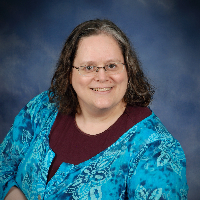
About Angela
Angela Grace is a licensed clinical social worker with more than two decades of experience. She practices as an LCSW and helps people who feel overwhelmed by stress, anxiety, depression, grief, and life transitions. Angela listens without judgment and focuses on practical steps people can use right away.
She draws on client-centered work to create a calm, respectful space where the person’s goals guide the conversation. Cognitive behavioral strategies are used when unhelpful thoughts or patterns are getting in the way of daily functioning.
Background and approach
Mindfulness techniques help people build steadiness when emotions feel intense. Angela also brings trauma-focused methods and Internal Family Systems ideas into sessions for people who want to understand how past hurt shapes current reactions. She explains things plainly and helps people try small changes between meetings.
Progress is tracked in ways that matter to each person, like reduced panic, better sleep, or clearer boundaries. Her experience includes long-term and brief work with adults facing relationship strain, parenting stress, addiction concerns, caregiver burnout, and identity-related issues including LGBT matters. She also addresses bipolar mood management, anger, codependency, and career stress.
Sessions are offered from Missouri, and Angela uses everyday language to make clinical ideas accessible. People who prefer a collaborative, steady approach tend to fit well with her style. She aims to help each person notice strengths, set realistic goals, and build routines that support lasting change.
Approaches that work well online
Angela combines client-centered work and cognitive behavioral therapy in online sessions. Client-centered work focuses on listening, building trust, and following the person’s goals so they can name what matters and try changes at their own pace. Cognitive behavioral therapy helps identify unhelpful thoughts and replace them with more useful thinking, which can reduce anxiety, low mood, and avoidance.She also uses mindfulness tools to teach simple practices for grounding and emotional regulation. Those practices are short and repeatable, making them easy to use between meetings. Together, the therapist and client decide which approaches to try and adjust methods as goals change, so treatment stays collaborative and practical.
Online formats include video calls, phone sessions, live chat, or text-based messaging. Video lets people work face to face when they prefer visual connection. Phone sessions need less bandwidth and can fit into a lunch break or commute. Live chat and text messaging support shorter check-ins, quick coaching, or ongoing encouragement between longer meetings. These options make it easier to match care to a busy life while keeping focus on the changes a person wants to make.
Frequently asked questions
What kinds of concerns does Angela address?
How would you describe her therapy style?
What is her clinical background and experience?
What credentials and location are on file?
Which languages are sessions offered in?
What session formats are available?
How is payment or cost handled?
How do I begin working with her?
Specialties and expertise
Top specialties
- Stress, Anxiety
- LGBT
- Parenting issues
Also works with
- Addictions
- ADHD
- Anger management
- Bipolar disorder
- Career difficulties
- Caregiver issues and stress
- Codependency
- Compassion fatigue
- Coping with life changes
- Depression
- Divorce and separation
- Family conflicts
- Family of origin issues
- Grief
- Guilt and shame
- Intimacy-related issues
- Isolation / loneliness
- Relationship issues
- Self esteem
- Self-love
- Trauma and abuse
Therapeutic approaches
- Experience
- 24 years
- Licensed
- Missouri, Illinois
- Languages
- English