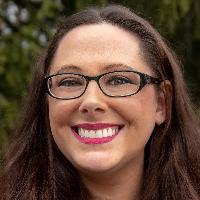
About Katherine
Katherine MacLeod is a Licensed Clinical Social Worker who helps adults facing stress, low self-esteem, anxiety, depression, and relationship strain. She writes plainly and listens closely to what matters most to each person. Sessions focus on practical steps that fit everyday life.
She brings eight years of clinical experience and a background in sociology and social work. She earned a Bachelor of Arts in Sociology from the University of Tulsa and a Master of Social Work from the University of Missouri-St.
Background and approach
Louis. Katherine uses clear, goal-oriented methods rather than jargon-heavy explanations. In sessions she blends Cognitive Behavioral Therapy, Dialectical Behavior Therapy, and Solution-Focused Therapy.
That mix helps people change unhelpful thoughts, learn emotional regulation skills, and build short-term action plans. Conversations lead to specific tools that can be used between sessions. Katherine offers support for many concerns, including parenting stress, intimacy-related issues, work and career worries, and navigating life changes.
She also addresses topics such as body image, attachment issues, blended family challenges, and questions around gender and identity. People can expect a collaborative, down-to-earth style. The focus is on small, practical changes that reduce pain and increase confidence.
Katherine aims to help people feel steadier and more capable as they move forward.
Practical approaches for online support
CBT, or Cognitive Behavioral Therapy, focuses on identifying unhelpful thoughts and testing them against real life. It is useful for anxiety, low mood, panic attacks, and changing patterns that keep people stuck. DBT, or Dialectical Behavior Therapy, teaches emotion regulation, distress tolerance, and interpersonal skills. Those tools help when emotions feel overwhelming or relationships are strained. Solution-Focused Therapy centers on small, achievable goals and what’s already working. It is good for making quick, practical changes and planning next steps.Finding the right approach is part of the work. The therapist will talk with each person about needs, goals, and preferences to choose which methods to emphasize. That collaboration lets sessions be adapted as progress is made and priorities shift.
Online formats include video calls, phone sessions, live chat, and text-based messaging. Video calls allow face-to-face conversation and visual cues, while phone sessions can fit into a short break or reduce bandwidth needs. Live chat and text messaging are practical for quick check-ins, ongoing encouragement, or when typing feels easier than speaking. These options make it simpler to fit therapy into a busy life and try different ways of connecting as needs change.
Frequently asked questions
What problems does she help with?
What is her therapeutic style like?
What training and background does she have?
Where is she licensed and based?
Which languages are available for sessions?
Can people outside the U.S. work together?
What session formats are offered?
How do I begin therapy with her?
Specialties and expertise
Top specialties
- Stress, Anxiety
- Relationship issues
- Self esteem
Also works with
- Aging and geriatric issues
- Anger management
- Attachment issues
- Blended family issues
- Body image
- Career difficulties
- Commitment issues
- Communication problems
- Coping with life changes
- Depression
- Family conflicts
- Family problems
- Forgiveness
- Gender dysphoria
- Infidelity
- Intimacy-related issues
- LGBT
- Life purpose
- Mood disorders
- Panic disorder and panic attacks
- Parenting issues
- Polyamory / non-monogamous relationships
- Self-love
- Social anxiety and phobia
- Women's issues
- Workplace issues
- Young adult issues
Therapeutic approaches
- Experience
- 8 years
- Licensed
- Missouri
- Languages
- English