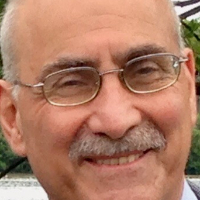
About Michael
Michael Ruberton is a licensed clinical social worker who brings forty years of experience to his practice in Missouri. He focuses on practical, down-to-earth help for common problems such as stress, anxiety, depression, mood disorders, and addiction. He also supports people facing trauma, grief, relationship and family difficulties, and concerns about self-esteem and intimacy.
Michael prefers a warm, supportive style that lets the person set the pace. He believes therapy works best when the client leads and the therapist listens closely.
Background and approach
Sessions aim to clarify goals and chart small, realistic steps forward. His work often combines talk-based guidance with strategies to change unhelpful thoughts and behaviors. He draws on client-centered methods and cognitive-behavioral ideas to handle mood, anger, and coping with life changes.
Motivational interviewing is used when people want help finding the will to change. Michael has also worked in many settings, including homes, offices, and institutions. That background informs how he approaches trauma and abuse, whether the person has been harmed or has caused harm.
He is experienced helping people manage bipolar disorder, ADHD, and other mood-related challenges. People looking for straightforward, goal-focused therapy may find his approach useful. He aims to create a space where clients can name their priorities, test new ways of coping, and move toward clearer goals at a manageable pace.
Therapeutic approaches suited to online work
Client-centered therapy focuses on listening and following the client's lead. It helps people feel heard, clarify their goals, and decide what changes matter most in their lives.Cognitive Behavioral Therapy, or CBT, teaches practical skills to identify unhelpful thoughts and test new behaviors. It is often useful for anxiety, depression, stress, anger, and mood-related problems.
Motivational Interviewing helps people resolve mixed feelings about change and find personal reasons to move forward. It can be helpful when someone wants support taking the first steps toward recovery or new habits.
Finding the right approach is part of the work. The therapist will talk with the client about needs, goals, and preferences and will adapt methods over time. That collaboration helps shape which tools and exercises are used in sessions.
Online therapy offers flexible ways to meet. Video calls allow face-to-face conversations, phone sessions remove the need for video, and live chat or text messaging can fit short check-ins or ongoing support between appointments. These options make it easier to keep therapy consistent around work, caregiving, and other demands.
Frequently asked questions
What kinds of concerns does this therapist address?
What is his therapeutic style like?
What experience does he bring to therapy?
What credentials and location are listed for this therapist?
Which languages are sessions offered in?
What session formats are available?
How is cost handled for sessions?
How do I begin working with this therapist?
Specialties and expertise
Top specialties
- Stress, Anxiety
- Trauma and abuse
- Anger management
Also works with
- Addictions
- ADHD
- Aging and geriatric issues
- Antisocial personality
- Bipolar disorder
- Codependency
- Coping with life changes
- Depression
- Family conflicts
- Family of origin issues
- Family problems
- Grief
- Intimacy-related issues
- Men's issues
- Mood disorders
- Relationship issues
- Self esteem
- Self-harm
- Sexual assault and abuse
Therapeutic approaches
- Experience
- 40 years
- Licensed
- Missouri
- Languages
- English