
Linda McNellis, LCSW
Oregon · 26 yrs exp
Works with Stress, Anxiety / Trauma and abuse / Grief +11
Works by Somatic Therapy / Acceptance and Commitment Therapy (ACT)
View ProfileThe therapist listings are provided by BetterHelp and we will earn a commission if you use our link - at no cost to you.
Welcome to our directory of online LCSW therapists serving Oregon. All therapists listed hold an active LCSW license - explore profiles to review credentials, focus areas, approaches, languages, and experience.
Oregon · 26 yrs exp
Works with Stress, Anxiety / Trauma and abuse / Grief +11
Works by Somatic Therapy / Acceptance and Commitment Therapy (ACT)
View Profile
Oregon · 30 yrs exp
Works with Stress, Anxiety / Addictions / Trauma and abuse +14
Works by Somatic Therapy / Acceptance and Commitment Therapy (ACT)
View Profile
Oregon · 17 yrs exp
Works with Stress, Anxiety / Relationship / Parenting +1
View Profile
Oregon · 12 yrs exp
Works with Stress, Anxiety / Addictions / Self esteem +2
View Profile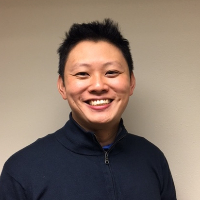
Oregon · 12 yrs exp
Works with Stress, Anxiety / Relationship / Grief +17
Works by Acceptance and Commitment Therapy (ACT) / Client-Centered Therapy
View Profile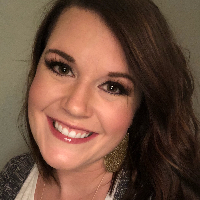
Oregon · 10 yrs exp
Works with Stress, Anxiety / Family / Trauma and abuse +8
Works by Acceptance and Commitment Therapy (ACT) / Cognitive Behavioral Therapy (CBT)
View Profile
Oregon · 9 yrs exp
Works with Stress, Anxiety / Trauma and abuse / Grief +11
Works by Somatic Therapy / Acceptance and Commitment Therapy (ACT)
View Profile
Oregon · 25 yrs exp
Works with Stress, Anxiety / Trauma and abuse / Eating +16
Works by Client-Centered Therapy / Cognitive Behavioral Therapy (CBT)
View Profile
Oregon · 18 yrs exp
Works with Stress, Anxiety / Relationship / Career +8
Works by Attachment-Based Therapy / Client-Centered Therapy
View Profile
Oregon · 20 yrs exp
Works with Stress, Anxiety / Relationship / Grief +12
Works by Client-Centered Therapy / Cognitive Behavioral Therapy (CBT)
View Profile
Oregon · 10 yrs exp
Works with Stress, Anxiety / Grief / Self esteem +11
Works by Acceptance and Commitment Therapy (ACT) / Cognitive Behavioral Therapy (CBT)
View Profile
Oregon · 12 yrs exp
Works with Stress, Anxiety / Trauma and abuse / Grief +12
Works by Somatic Therapy / Attachment-Based Therapy
View Profile
Oregon · 24 yrs exp
Works with Stress, Anxiety / Relationship / Grief +7
Works by Client-Centered Therapy / Cognitive Behavioral Therapy (CBT)
View Profile
Oregon · 22 yrs exp
Works with Stress, Anxiety / Relationship / Family +13
Works by Client-Centered Therapy / Cognitive Behavioral Therapy (CBT)
View Profile
Oregon · 15 yrs exp
Works with Stress, Anxiety / Trauma and abuse / Grief +16
Works by Client-Centered Therapy / Cognitive Behavioral Therapy (CBT)
View Profile
Oregon · 13 yrs exp
Works with Stress, Anxiety / Trauma and abuse / Grief +11
Works by Acceptance and Commitment Therapy (ACT) / Client-Centered Therapy
View Profile
Oregon · 20 yrs exp
Works with Stress, Anxiety / Relationship / Trauma and abuse +2
Works by Attachment-Based Therapy / Client-Centered Therapy
View Profile
Oregon · 30 yrs exp
Works with Stress, Anxiety / Grief / Self esteem +11
Works by Client-Centered Therapy / Cognitive Behavioral Therapy (CBT)
View Profile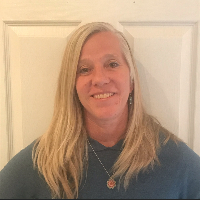
Oregon · 17 yrs exp
Works with Stress, Anxiety / Grief / Bipolar +13
Works by Attachment-Based Therapy / Client-Centered Therapy
View Profile
Oregon · 20 yrs exp
Works with Stress, Anxiety / Trauma and abuse / Grief +14
Works by Acceptance and Commitment Therapy (ACT) / Client-Centered Therapy
View Profile
Oregon · 7 yrs exp · 2 languages
Works with Stress, Anxiety / Trauma and abuse / Parenting +13
Works by Attachment-Based Therapy / Client-Centered Therapy
View Profile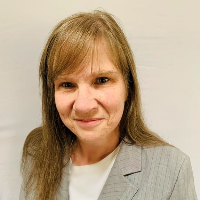
Oregon · 30 yrs exp
Works with Stress, Anxiety / Addictions / Trauma and abuse +16
Works by Acceptance and Commitment Therapy (ACT) / Attachment-Based Therapy
View Profile
Oregon · 5 yrs exp
Works with Stress, Anxiety / Trauma and abuse / Bipolar +9
Works by Somatic Therapy / Attachment-Based Therapy
View Profile
Oregon · 14 yrs exp
Works with Stress, Anxiety / LGBT / Relationship +10
Works by Acceptance and Commitment Therapy (ACT) / Client-Centered Therapy
View Profile
Oregon · 7 yrs exp
Works with Parenting / Self esteem / Stress, Anxiety +10
Works by Cognitive Behavioral Therapy (CBT) / Motivational Interviewing
View Profile
Oregon · 15 yrs exp
Works with Stress, Anxiety / Grief / Anger +12
Works by Cognitive Behavioral Therapy (CBT) / Motivational Interviewing
View Profile
Oregon · 17 yrs exp
Works with Stress, Anxiety / Relationship / Trauma and abuse +15
Works by Acceptance and Commitment Therapy (ACT) / Attachment-Based Therapy
View Profile
Oregon · 16 yrs exp
Works with Stress, Anxiety / Grief / Self esteem +2
View Profile
Oregon · 5 yrs exp
Works with Stress, Anxiety / Trauma and abuse / Self esteem +12
Works by Client-Centered Therapy / Cognitive Behavioral Therapy (CBT)
View Profile
Oregon · 20 yrs exp
Works with Stress, Anxiety / Addictions / Trauma and abuse +15
Works by Client-Centered Therapy / Cognitive Behavioral Therapy (CBT)
View Profile
Oregon · 26 yrs exp
Works with Stress, Anxiety / Relationship / Family +9
Works by Somatic Therapy / Client-Centered Therapy
View Profile
Oregon · 10 yrs exp
Works with Stress, Anxiety / Relationship / Family +11
Works by Cognitive Behavioral Therapy (CBT) / Existential Therapy
View Profile
Oregon · 9 yrs exp
Works with Grief / Coping with life changes / Stress, Anxiety +14
Works by Client-Centered Therapy / Narrative Therapy
View Profile
Oregon · 5 yrs exp
Works with Stress, Anxiety / Anger / Self esteem +8
Works by Client-Centered Therapy / Cognitive Behavioral Therapy (CBT)
View Profile
Oregon · 24 yrs exp
Works with Stress, Anxiety / Relationship / Trauma and abuse +9
Works by Client-Centered Therapy / Cognitive Behavioral Therapy (CBT)
View Profile
Oregon · 7 yrs exp
Works with Trauma and abuse / Grief / Self esteem +13
Works by Client-Centered Therapy / Cognitive Behavioral Therapy (CBT)
View Profile
Oregon · 10 yrs exp
Works with Relationship / Family / Intimacy-related issues +7
Works by Cognitive Behavioral Therapy (CBT) / Dialectical Behavior Therapy (DBT)
View Profile
Oregon · 37 yrs exp
Works with Stress, Anxiety / Addictions / LGBT +2
View Profile
Oregon · 10 yrs exp
Works with Stress, Anxiety / Relationship / Trauma and abuse +15
Works by Trauma-Focused Therapy
View Profile
Oregon · 19 yrs exp
Works with Stress, Anxiety / Trauma and abuse / Self esteem +10
Works by Acceptance and Commitment Therapy (ACT) / Client-Centered Therapy
View Profile
Oregon · 6 yrs exp
Works with Addictions / Trauma and abuse / Self esteem +5
Works by Client-Centered Therapy / Cognitive Behavioral Therapy (CBT)
View Profile
Oregon · 10 yrs exp
Works with Parenting / Depression / Stress, Anxiety +3
Works by Cognitive Behavioral Therapy (CBT)
View Profile
Oregon · 28 yrs exp
Works with Stress, Anxiety / Depression / Relationship +3
View Profile
Oregon · 10 yrs exp
Works with Stress, Anxiety / Relationship / Trauma and abuse +7
View Profile
Oregon · 8 yrs exp
Works with Parenting / Anger / Self esteem +11
Works by Client-Centered Therapy / Cognitive Behavioral Therapy (CBT)
View Profile
Oregon · 33 yrs exp
Works with Stress, Anxiety / Addictions / Relationship +14
Works by Cognitive Behavioral Therapy (CBT) / Dialectical Behavior Therapy (DBT)
View Profile
Oregon · 11 yrs exp
Works with Stress, Anxiety / Family / Grief +2
Works by Client-Centered Therapy / Narrative Therapy
View Profile
Oregon · 24 yrs exp
Works with Stress, Anxiety / Grief / Career +7
Works by Acceptance and Commitment Therapy (ACT) / Attachment-Based Therapy
View ProfileIf you are looking for an LCSW who works online in Oregon, it helps to know how that credential fits the landscape. An LCSW is a clinical social worker who has completed a master's degree in social work, finished a state-set period of supervised post-graduate clinical experience, and passed a clinical licensing examination. That license is issued and renewed by the Oregon licensing board and defines the scope of clinical practice in the state. Many LCSWs offer sessions via video or phone, which can extend access to licensed clinical support to people across Oregon, from the coast to more rural counties.
Because licensure is managed at the state level, the exact title and permitted scope can vary. When a therapist lists an Oregon LCSW on their profile it means they have met the state's requirements to practice clinically. Online delivery changes how you meet with a clinician but it does not change the role of the LCSW. In their work, LCSWs emphasize the person-in-environment perspective, so remote sessions often include attention to both your internal experience and the practical circumstances that affect your well-being.
Online sessions can make it easier to connect with an LCSW when travel, mobility, or local provider shortages are a concern. You can reduce commute time and gain access to clinicians who list specialized experience or languages that may not be available in your immediate area. For people living in smaller towns or in regions with fewer practitioners, online options increase the range of LCSWs you can consider while remaining within Oregon's licensing framework.
Another benefit is that online meetings can be scheduled in ways that fit into your routine without needing to rearrange as much of your day. You can participate from home, a workplace break room, or another private space that you choose. Many people find that the convenience of remote sessions lowers barriers to keeping regular appointments and allows them to focus on progress rather than logistics. At the same time, online sessions can support continuity after life changes such as moving within the state or temporary travel.
LCSWs address a wide range of life challenges and clinical concerns. You will find practitioners who list experience working with anxiety and depression, relationship and family issues, stress related to work or caregiving, grief and loss, life transitions, and difficulties related to trauma. Because social work training stresses context, LCSWs often integrate attention to housing, employment, financial strain, and community supports into clinical conversations. That broader lens can be especially useful when practical problems interact with emotional or behavioral health concerns.
Online LCSWs also support people facing identity-related concerns, such as issues connected to gender, sexual orientation, culture, race, or disability. Many profiles indicate which populations a clinician commonly works with and which languages they speak. If your situation involves coordinated care - for example, working with medical providers, schools, or community agencies - an LCSW's background in systems-focused practice may help you navigate multiple supports while working remotely.
Before you rely on a clinician's profile, you may want to confirm that their LCSW license is current and issued in Oregon. Start by looking for a license number on the therapist profile. You can use the state licensing board's online license lookup tool to confirm the license status and see the expiration date. That lookup can also show if there are public records of disciplinary actions or other notes that are part of the public licensing record. If you cannot find the information online, the licensing board can usually be contacted by phone or email for verification guidance.
Keep in mind that licensure governs where a clinician is permitted to practice. For online sessions, most clinicians who work with Oregon residents hold an Oregon LCSW. The credential indicates completion of a master's degree in social work, a specified period of supervised clinical experience after graduation, and a passed clinical exam. Scope of practice and permitted activities are defined by the Oregon licensing rules, so if you have questions about what an LCSW can provide, the state board's published materials explain the distinctions and professional standards.
When you are ready to begin, focus on a few practical and personal factors to help you identify an LCSW who may be a good match. Start with the clinician's profile to note their stated focus areas, years of experience, languages spoken, and any populations they indicate they work with. Pay attention to how they describe their clinical orientation or the conditions they commonly address. Remember that profiles list approaches and areas of focus; for example, some profiles list EMDR among their approaches, while others list family systems or trauma-informed work - profiles show what a therapist lists, not a certification or guarantee.
Think about logistics that matter to you. Look for information about session formats such as video or phone, whether they accept your form of insurance or offer self-pay fees, and general information on session length. While the directory provides profile information, you may also want to consider what you value in a working relationship - whether you prefer a clinician who takes a problem-solving style, one who emphasizes emotional processing, or someone who brings a social work perspective that addresses practical life needs alongside internal experience. You might prepare a few questions to ask early on, such as how they describe their typical work with concerns like yours, how they incorporate community resources, and what languages they use in sessions.
For online sessions, plan your technology and environment ahead of time. Choose a private space where you will not be interrupted, use a reliable internet connection, and test your device and audio settings before a first meeting. Have a backup plan in case of technical difficulties and know how to reach local supports if you experience a crisis. If you have concerns about privacy or data protections, ask the clinician about the platform they use and any measures they take to protect session data. Finally, remember that finding the right match can take time - it is reasonable to seek a clinician whose experience, communication style, and practical details align with what you need.
If the person-in-environment perspective matters to you, look for LCSWs who describe working with housing, employment, family systems, or community resources as part of their practice. That orientation means the clinician will likely consider both your internal experience and the external conditions that affect your well-being. For many people in Oregon, especially those managing changes in work, caregiving responsibilities, or living arrangements, that combined focus can make therapy feel more applicable to everyday challenges.
Keep basic safety in mind. If you are in immediate danger or facing a life-threatening emergency, contact local emergency services or a crisis line right away. For non-emergent concerns, use the directory to review licensed LCSW profiles and decide which clinicians you want to learn more about by contacting them directly through the methods listed on their profiles. By taking a close look at credentials, focus areas, languages, and how a clinician describes their work, you can make an informed choice about who might fit your needs as you begin online sessions in Oregon.
Addictions
2936 therapists
ADHD
2418 therapists
Anger
3557 therapists
Bipolar
2461 therapists
Chronic Illness
1598 therapists
Chronic Pain
1598 therapists
Compulsion
1233 therapists
Control Issues
2707 therapists
Depression
6520 therapists
Disaster Relief Therapy
1305 therapists
Dissociation
721 therapists
Domestic Violence
1680 therapists
Eating Disorders
1022 therapists
Gambling
791 therapists
Grief
4584 therapists
Guilt and Shame
4562 therapists
Impulsivity
2173 therapists
Intimacy Issues
2385 therapists
Isolation / Loneliness
4432 therapists
Midlife Crisis
2242 therapists
Mood Disorders
3337 therapists
Obsession
1233 therapists
OCD
1233 therapists
Panic Disorder and Panic Attacks
2828 therapists
Phobias
837 therapists
Post-Traumatic Stress
3703 therapists
Postpartum Depression
1588 therapists
Seasonal Affective Disorder (SAD)
1891 therapists
Self Esteem
6266 therapists
Self-Harm
1411 therapists
Sexual Trauma
1441 therapists
Sleeping Disorders
1296 therapists
Social Anxiety and Phobia
3959 therapists
Stress & Anxiety
7344 therapists
Trauma and Abuse
5115 therapists
Abandonment
2512 therapists
Adoption
1323 therapists
Aging and Geriatric Issues
2068 therapists
Attachment Issues
2817 therapists
Blended Family Issues
1929 therapists
Body Image
1932 therapists
Career
3196 therapists
Caregiver Issues and Stress
3641 therapists
Codependency
2354 therapists
Commitment Issues
1769 therapists
Communication Problems
5232 therapists
Compassion Fatigue
2989 therapists
Coping with Life Changes
5723 therapists
Divorce
3004 therapists
Family
4349 therapists
Family of Origin Issues
1933 therapists
Fatherhood Issues
1024 therapists
Fertility Issues
662 therapists
First Responder Issues
1280 therapists
Forgiveness
4087 therapists
Foster Care
1323 therapists
Hospice and End-of-Life Counseling
1644 therapists
Infidelity
1633 therapists
Jealousy
1503 therapists
Life Purpose
4651 therapists
Money and Financial Issues
1558 therapists
Parenting
3476 therapists
Pregnancy
1360 therapists
Relationship
5303 therapists
Self-Love
4911 therapists
Separation
3004 therapists
Sexuality
1368 therapists
Workplace Issues
3111 therapists