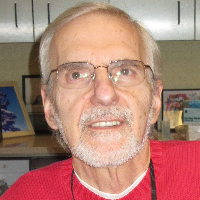
About Kenneth
Kenneth Catalanotte draws on a client-centered approach to help people manage grief, anxiety, depression, and the fallout from past trauma. He is a licensed clinical social worker, LCSW, practicing from Illinois and brings thirty years of counseling experience to his work. Kenneth aims to make sessions straightforward and collaborative so people feel heard and respected during difficult moments.
He uses cognitive behavioral tools to identify patterns of thinking that keep problems going.
Background and approach
That practical work often focuses on sleep, eating, stress, anger, and day-to-day coping skills. Motivational interviewing supports people who are wrestling with addictions, career changes, or trouble following through on goals. Existential and psychodynamic approaches add space to look at life purpose, isolation, and deeper relationship patterns.
Those methods help when people want to understand why they feel stuck or alone and how their past shapes present choices. Sessions mix practical steps with reflective conversation based on each person’s needs. Kenneth has worked across a wide range of concerns including intimacy-related issues, self-esteem, bipolar mood challenges, ADHD, compassion fatigue, and forgiveness work.
He frames therapy as a partnership where the person sets priorities and they try approaches together. This keeps the work focused and relevant to real life. People interested in working by phone, video, live chat, or text can find options that fit a busy schedule.
Kenneth encourages straightforward talk about goals so each session moves toward clear, manageable changes.
Therapeutic approaches and online care that fit your life
Client-centered therapy means the person’s goals guide the work and the therapist listens closely to what matters most. That approach helps when someone needs a space to be heard and to set concrete priorities for change.Cognitive Behavioral Therapy, or CBT, looks at the thoughts and habits that keep problems going and teaches practical steps to change them. It is useful for anxiety, sleep problems, mood shifts, and daily stressors where specific skills can make a quick difference.
Existential therapy encourages talking about meaning, life purpose, and how people make choices when life feels uncertain. This can help with feelings of isolation, questions about direction, and long-term patterns that aren’t solved by short-term fixes.
Finding the right approach is part of the work. Kenneth will collaborate with each person to choose methods that match their needs, goals, and preferences. That means trying skill-based work, reflective conversation, or a mix depending on what helps most.
Online sessions are offered by video calls, phone sessions, live chat, or text messaging to fit different schedules and circumstances. Video allows face-to-face conversation, phone works well when bandwidth is limited, live chat can be used for shorter check-ins, and text offers ongoing support between sessions. These options make it easier to fit therapy into a busy life while still working toward meaningful change.
Frequently asked questions
What kinds of problems does he address?
How would you describe his therapeutic style?
What is his background and experience?
Where is he licensed and based?
Which languages are supported for sessions?
Can people outside the United States work with him?
What session formats are available?
How are fees and getting started handled?
Specialties and expertise
Top specialties
Also works with
- Addictions
- ADHD
- Anger management
- Bipolar disorder
- Career difficulties
- Compassion fatigue
- Coping with life changes
- Depression
- Eating disorders
- Family conflicts
- Forgiveness
- Intimacy-related issues
- Isolation / loneliness
- LGBT
- Life purpose
- Relationship issues
- Sleeping disorders
- Stress, Anxiety
Therapeutic approaches
- Experience
- 30 years
- Licensed
- Illinois
- Languages
- English