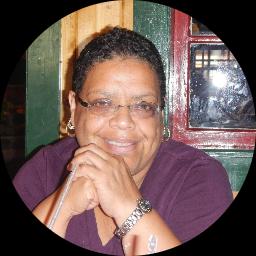
About Rachael
Rachael Figueroa brings a client-centered way of working to each session. She uses straightforward conversation to help people manage stress, anxiety, grief, anger, and low self-esteem. Rachael is a licensed clinical social worker - LCSW - practicing in New York and speaks both English and Spanish.
She combines practical skills with attention to emotional experience. That means teaching tools to cope with panic or sleepless nights and also talking through feelings that come with loss or change.
Background and approach
Sessions focus on small, useful steps people can try between meetings. With 25 years of experience she has supported people facing addiction, compassion fatigue, chronic illness, and relationship-related worries like codependency and commitment issues. She also works on concerns linked to adoption and foster care, aging, and neurodiversity such as autism and Asperger syndrome.
Rachael draws on cognitive behavioral techniques to shift unhelpful thoughts, emotionally-focused ideas to improve how people relate to feelings, and mindfulness to ease intense reactions. Motivational interviewing helps when someone wants to change habits but feels stuck. Her approach is respectful and practical.
Rachael tailors conversations and plans to each person’s needs. She encourages honest talk, tests small changes, and adjusts the plan as progress is made.
Therapeutic approaches and online support
Rachael uses client-centered therapy to place the person’s needs and goals at the center of each session. That approach focuses on listening, building trust, and shaping conversations around what matters most to the individual. Cognitive behavioral therapy is used to identify and change unhelpful thought patterns and to teach practical coping skills for anxiety, sleep issues, and mood concerns.Choosing the right approach is part of the work together. She will discuss options and try methods collaboratively, adjusting the plan based on what a person finds helpful. The goal is to find a mix of strategies that fit a person’s situation and preferences rather than using a one-size-fits-all method.
Online sessions are offered by video call, phone, live chat, or text-based messaging to make care more flexible. Video calls allow face-to-face conversation, phone sessions can be easier when bandwidth is limited, and messaging supports brief check-ins or ongoing support between live meetings. These options help people fit sessions around work, caregiving, or other commitments while keeping therapeutic progress consistent.
Frequently asked questions
What concerns does she help with?
What is her therapeutic style like?
How much experience does she have?
Where is she licensed and practicing?
Which languages are supported?
What session formats are available?
How does payment and cost work?
How do I begin working with her?
Specialties and expertise
Top specialties
- Stress, Anxiety
- Grief
- Anger management
Also works with
- Abandonment
- Addictions
- ADHD
- Adoption and foster care
- Aging and geriatric issues
- Antisocial personality
- Autism and Asperger Syndrome
- Avoidant personality
- Blended family issues
- Cancer
- Caregiver issues and stress
- Chronic pain, illness, and disability
- Co-morbidity
- Codependency
- Commitment issues
- Compassion fatigue
- Control issues
- Coping with natural or human-caused disaster
- Dependent personality
- Depression
- Disruptive Mood Dysregulation Disorder (DMDD)
- Dissociation
- Divorce and separation
- Domestic violence
- Emptiness
- Family of origin issues
- First responder issues
- Gender dysphoria
- HIV / AIDS
- Hoarding
- Hospice and end-of-life counseling
- Impulsivity
- Intellectual disability
- Isolation / loneliness
- LGBT
- Men's issues
- Midlife crisis
- Mood disorders
- Multicultural concerns
- Narcissism
- Obsessions, compulsions, and OCD
- Panic disorder and panic attacks
- Paranoia
- Personality disorders
- Phobias
- Post-traumatic stress
- Postpartum depression
- Pregnancy and childbirth
- Prejudice and discrimination
- Process addiction (porn, exercise, gambling)
- Seasonal Affective Disorder (SAD)
- Self esteem
- Self-harm
- Self-love
- Sexual assault and abuse
- Sexuality
- Sleeping disorders
- Social anxiety and phobia
- Somatization
- Traumatic brain injury
- Veteran and Armed Forces Issues
- Visually impaired
- Women's issues
- Workplace issues
Therapeutic approaches
- Experience
- 25 years
- Licensed
- New York
- Languages
- English, Spanish