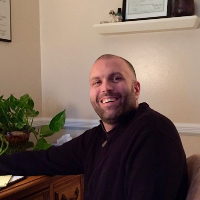
About Michael
Michael Pfisterer is a licensed clinical social worker who helps people facing stress, anxiety, mood shifts, and the daily strain of parenting. He focuses on practical steps you can take now to feel steadier and more able to handle life’s demands. Michael draws on 14 years of experience to tailor sessions to each person’s situation and goals.
He uses straightforward, goal-focused work to break problems into manageable steps. That often means identifying strengths and small actions you can try between sessions.
Background and approach
Michael also pays attention to how life events, trauma, and developmental differences affect thinking and behavior. His practice includes support for people dealing with depression, panic, addiction, grief, and relationship or intimacy concerns. He also supports people working through career changes, compassion fatigue, and issues tied to identity such as LGBT concerns and non-monogamous relationships.
Michael has experience with autism and Asperger Syndrome, intellectual disability, and executive functioning challenges. He has worked with many people coping with transitions and environmental stressors, and he brings that background into planning practical strategies for daily life. Sessions are collaborative and task-oriented.
Michael helps clients set short-term goals while keeping longer-term aims in view. He lives in South Carolina with his family and looks for ways to align clients’ intentions with real-world actions.
How his approaches translate to online therapy
Client-Centered Therapy focuses on listening and understanding your experience. The therapist follows your lead, reflects what matters to you, and helps you use your own strengths to solve problems. This approach can help with anxiety, depression, and struggles tied to identity or life transitions.Solution-Focused Therapy emphasizes clear, practical steps toward goals. Sessions often include setting specific tasks and checking progress between meetings. This method is useful for managing stress, improving sleep, reducing substance use, and handling immediate life changes.
Finding the right approach is part of the work together. Michael will collaborate with you to pick methods that match your goals and preferences, then adjust as needed. He aims to balance short-term wins with changes that last over time.
Online formats include video calls, phone sessions, live chat, and text-based messaging. Video lets you have a face-to-face conversation; phone can be a good option when bandwidth is limited. Live chat and messaging work well for brief check-ins or for people who prefer typing. These options make it easier to fit therapy into busy lives and to keep momentum between sessions.
Frequently asked questions
What concerns does Michael help with?
What is his therapeutic style?
How much experience does he have?
What are his credentials and where is he located?
Which languages are supported?
What session formats are available?
How does cost and billing work?
How do I begin working with him?
Specialties and expertise
Top specialties
- Stress, Anxiety
- Parenting issues
- Depression
Also works with
- Addictions
- Anger management
- Autism and Asperger Syndrome
- Bipolar disorder
- Career difficulties
- Codependency
- Compassion fatigue
- Coping with life changes
- Drug and alcohol addiction
- Eating disorders
- Family conflicts
- Grief
- Impulsivity
- Intellectual disability
- Intimacy-related issues
- LGBT
- Life purpose
- Mood disorders
- Panic disorder and panic attacks
- Polyamory / non-monogamous relationships
- Relationship issues
- Seasonal Affective Disorder (SAD)
- Self esteem
- Sleeping disorders
- Smoking / vaping cessation
- Social anxiety and phobia
- Trauma and abuse
- Young adult issues
Therapeutic approaches
- Experience
- 14 years
- Licensed
- New York, South Carolina, Nevada
- Languages
- English