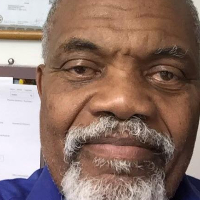
About Washington
Washington Cisco helps people facing stress, anxiety, relationship strain, grief, sleep problems, and depression. He brings a calm, nonjudgmental presence and focuses on real goals people can notice in daily life. Washington listens first and works with each person to find what fits their needs.
He began working with children and youth in 1986 and moved between youth and adult work over the years. From 2013 he returned to outpatient mental health, and he currently works within the prison system with adults aged 19 to 70.
Background and approach
That long experience has exposed him to many different life problems and practical coping needs. Washington uses a caring, supportive style. He centers the person in the room and follows their lead rather than imposing solutions.
Sessions often involve talking through stressors, practicing new ways to respond, and setting small steps toward better daily routines. He draws on several approaches to shape treatment. Cognitive Behavioral Therapy helps people notice and change unhelpful thinking and behavior patterns.
Mindfulness techniques bring attention to the present moment and reduce reactivity. Client-Centered Therapy keeps the focus on the client’s values and choices. Washington holds a Licensed Clinical Social Worker credential, LCSW.
He practices in Illinois and conducts sessions in English. With nearly four decades of experience, he aims to support people who need steady, practical help to cope and move forward.
Using practical approaches in online therapy
Client-Centered Therapy focuses on listening and following the client's priorities. The therapist provides empathy and helps people clarify what matters most to them, which can ease decision-making and increase motivation.Cognitive Behavioral Therapy teaches ways to spot unhelpful thoughts and try different actions. It is useful for anxiety, depression, sleep difficulties, and problems with everyday coping, because it breaks issues into concrete steps to practice between sessions.
Finding the right approach is part of the work. The therapist will collaborate with each person to pick strategies that match their goals and preferences. That means trying methods, checking what helps, and adjusting the plan over time.
Online sessions can be done through video calls, phone sessions, live chat, or text-based messaging. Video works well for full conversations and visual cues, phone sessions can be easier when bandwidth is limited, and chat or messaging can be useful for brief check-ins or when someone prefers shorter written interactions. These options make it easier to fit therapy into a busy life and to keep regular contact with a licensed professional.
Frequently asked questions
What concerns does Washington address?
What is his therapy style like?
How much experience does he have?
What credentials and location are on record?
Which languages are supported for sessions?
What session formats are available?
How is cost handled for sessions?
How do I begin working with him?
Specialties and expertise
Top specialties
- Stress, Anxiety
- Relationship issues
- Grief
Also works with
- Abandonment
- Antisocial personality
- Attachment issues
- Blended family issues
- Caregiver issues and stress
- Chronic pain, illness, and disability
- Communication problems
- Control issues
- Depression
- Divorce and separation
- Forgiveness
- Guilt and shame
- Impulsivity
- Isolation / loneliness
- Life purpose
- Money and financial issues
- Mood disorders
- Narcissism
- Panic disorder and panic attacks
- Post-traumatic stress
- Self-love
- Sleeping disorders
- Social anxiety and phobia
- Workplace issues
Therapeutic approaches
- Experience
- 39 years
- Licensed
- Illinois
- Languages
- English