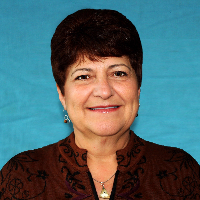
About Michelle
Michelle Lesagonicz is a licensed clinical social worker who has supported adults in Alaska for over 11 years. She focuses on the person in front of her and helps people make practical changes that fit their lives. Michelle listens, offers clear feedback, and works at a pace a client can follow.
Her main approach is client-centered therapy, paired with cognitive behavioral strategies and mindfulness practices. She uses short-term problem solving and motivational techniques to help people move through stuck points.
Background and approach
Sessions often include simple skill practice, breathing and grounding, and focused discussion about choices and next steps. Clients come with a wide range of concerns including stress, anxiety, depression, trauma, addiction, sleep troubles, anger, and low self-esteem. Michelle also supports people coping with chronic pain, illness, life transitions, and workplace or communication struggles.
She helps people identify small, workable changes that reduce distress and improve day-to-day functioning. Her work includes attention to parenting strain, compassion fatigue, and managing bipolar mood challenges in everyday life. Trauma-focused methods are used when past events affect current safety or functioning.
Michelle explains options clearly and tailors each plan to what a person says they need. Sessions are conversational and goal-oriented. Michelle aims to create steady progress through practical tools and honest conversation.
She invites people to try new ways of thinking and acting so they can regain balance and move forward.
Therapeutic approaches adapted for online care
Michelle blends client-centered work with cognitive behavioral techniques and mindfulness practices in online sessions. Client-centered therapy focuses on understanding a person’s goals and priorities and building a plan around what matters to them. Cognitive behavioral therapy helps identify unhelpful thoughts and test new behaviors to reduce anxiety or depressive symptoms. Mindfulness therapy teaches simple awareness and breathing practices to manage stress and improve focus.Finding the right way to approach therapy is part of the process. The therapist works together with each person to decide which methods fit their needs and goals. That collaborative decision making means techniques can shift over time as progress happens or new challenges appear.
Online formats include video calls, phone sessions, live chat, and text-based messaging. Video sessions allow face-to-face conversation and shared visual cues, phone sessions can be easier when bandwidth is limited, live chat works for shorter check-ins, and messaging supports ongoing reflection between meetings. These options make it easier to schedule sessions around work, caregiving, and daily life while still using the same therapeutic methods.
Frequently asked questions
What kinds of problems does she help with?
What is her style of therapy?
How much experience does she have?
What are her credentials and where is she based?
Can I work with her in another language or from another country?
What session formats are available?
How does payment and cost work?
How do I begin if I want to try therapy?
Specialties and expertise
Top specialties
- Stress, Anxiety
- Relationship issues
- Family conflicts
Also works with
- Addictions
- Anger management
- Bipolar disorder
- Chronic pain, illness, and disability
- Communication problems
- Compassion fatigue
- Control issues
- Coping with life changes
- Depression
- Emptiness
- Family problems
- Isolation / loneliness
- Life purpose
- Midlife crisis
- Panic disorder and panic attacks
- Parenting issues
- Phobias
- Post-traumatic stress
- Seasonal Affective Disorder (SAD)
- Self esteem
- Self-love
- Sleeping disorders
- Social anxiety and phobia
- Trauma and abuse
- Workplace issues
- Young adult issues
Therapeutic approaches
- Experience
- 11 years
- Licensed
- Alaska
- Languages
- English