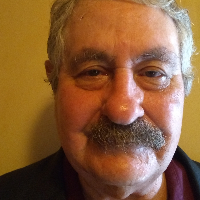
About Robert
Robert Skuy is a Licensed Clinical Social Worker who offers practical, down-to-earth help for people facing stress, anxiety, depression, grief, and relationship trouble. He draws on 12 years of experience in social work and behavioral health, including roles in education and state services in Oklahoma. Robert keeps the first conversations simple and focused on what matters most to each person.
Before independent practice he worked with developmentally disabled adults for many years and served in Adult Protection Services, Developmental Disabilities, and Child Welfare.
Background and approach
That background informs how he listens and how he notices safety and practical needs. He has experience with trauma, abuse, parenting strains, and challenges that come from workplace and life changes. Robert uses approaches like Cognitive Behavioral Therapy, Eye Movement Desensitization and Reprocessing, Dialectical Behavior Therapy, Client-Centered Therapy, and Mindfulness in ways that fit the person in front of him.
He prefers a warm, nonjudgmental style and adapts methods to individual needs rather than forcing labels. Sessions tend to focus on clear goals, coping skills, and practical steps you can try between meetings. He also values listening and helping people feel understood when they are overwhelmed or stuck.
He does not offer faith-based counseling and does not use Christian scripture or prayer as part of therapy. If you are ready to work on specific problems, he helps build a personal plan and works steadily toward realistic change.
Approaches to Online Therapy and How They Help
Robert commonly uses Cognitive Behavioral Therapy and Eye Movement Desensitization and Reprocessing as part of online work. Cognitive Behavioral Therapy focuses on changing unhelpful thoughts and behaviors and is useful for anxiety, depression, panic, and workplace stress. EMDR is a method used to reduce the ongoing impact of traumatic memories and can be helpful for post-traumatic stress and past abuse.He also draws on Client-Centered Therapy, which emphasizes listening and adapting to a person’s own goals. Finding the right approach is a collaborative process. The therapist will talk with you about your needs, goals, and preferences and then try methods that feel like a good fit, adjusting the plan over time as progress is made.
Online sessions are offered by video calls, phone, live chat, or text-based messaging to make therapy more flexible. Video allows face-to-face conversation and visual cues. Phone can be easier when bandwidth is limited or for quick check-ins. Live chat and text-based messaging are useful for short updates, skill practice, or when you need writing-based reflection. These options help people fit therapy into work, family, or travel schedules while working with a licensed professional.
Frequently asked questions
What kinds of problems does he help address?
What is his general therapy style?
What experience does he bring to sessions?
Where is he licensed and practicing?
Which languages are supported for sessions?
What session formats are available?
How are costs structured for therapy?
How do I begin working with him?
Specialties and expertise
Top specialties
- Stress, Anxiety
- Family conflicts
- Trauma and abuse
Also works with
- Anger management
- Attachment issues
- Bipolar disorder
- Blended family issues
- Career difficulties
- Communication problems
- Coping with life changes
- Depression
- Forgiveness
- Grief
- Impulsivity
- Intellectual disability
- Intimacy-related issues
- LGBT
- Life purpose
- Panic disorder and panic attacks
- Parenting issues
- Post-traumatic stress
- Relationship issues
- Self esteem
- Self-love
- Sleeping disorders
- Social anxiety and phobia
- Workplace issues
Therapeutic approaches
- Experience
- 12 years
- Licensed
- Oklahoma
- Languages
- English