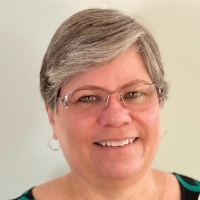
About Judith
Judith (Judy) Durdan helps people facing stress, anxiety, depression, sleep trouble, anger, trauma, grief, and life changes. She works with concerns like self-esteem, panic attacks, social anxiety, relationship strain, and substance use. Judy aims to listen, steady the conversation, and help people take small steps toward feeling better.
Judy is a licensed clinical social worker - LCSW - with 22 years of practice. She earned a Master’s Degree in Social Work from Fordham University in 2001.
Background and approach
Her background includes work in inpatient and outpatient settings, and experience supporting people with severe and persistent mental illness, homelessness, forensic needs, and veterans. In sessions Judy keeps language simple and practical. She draws on mindfulness, acceptance and commitment ideas, cognitive techniques, and motivational interviewing to help people notice what matters and try new actions.
Therapy is shaped together and adjusted to fit each person’s pace and goals. Clients can expect a mix of listening, gentle challenge, and skill-building. Judy uses the client’s own strengths and life experience as the starting point.
She focuses on real, doable steps for coping with emotions, improving sleep, and handling relationship and money stress. Judy practices in Florida and offers video calls, phone sessions, live chat, and text-based messaging. Sessions are provided in English.
To begin, users complete a short matching questionnaire and schedule a time that fits their needs.
Therapeutic approaches and online care
Acceptance and Commitment Therapy (ACT) helps people clarify their values and take actions that match what matters most. It supports people who feel stuck by encouraging small steps toward meaningful goals rather than trying to eliminate every uncomfortable thought. Cognitive Behavioral Therapy (CBT) focuses on identifying unhelpful thought patterns and testing new behaviors to reduce anxiety, panic, and mood problems. Client-Centered Therapy creates a respectful, non-judgmental space where the therapist follows the person’s lead and helps them build insight and confidence.Finding the right approach is a collaborative process. The therapist will work together with the client to decide which methods fit best based on goals, preferences, and what feels doable. Changes are paced to the individual and adjusted over time as needs shift.
Online therapy offers several practical benefits. Video calls allow face-to-face conversation when a longer, interactive session is helpful. Phone sessions require less bandwidth and can be easier to fit into a busy day. Live chat and text-based messaging are useful for brief check-ins, reminders, or when a shorter touchpoint helps maintain momentum. These options make it easier to keep therapy consistent and flexible around work, family, and daily life.
Frequently asked questions
What concerns does this therapist address?
What is her therapy style like?
How much clinical experience does she have?
What credentials and location apply to this clinician?
Which languages are supported and can international clients join?
What session formats are available?
How is cost handled for sessions?
How do I begin working with this therapist?
Specialties and expertise
Top specialties
Also works with
- Anger management
- Communication problems
- Coping with life changes
- Drug and alcohol addiction
- Grief
- Guilt and shame
- Isolation / loneliness
- Money and financial issues
- Mood disorders
- Panic disorder and panic attacks
- Paranoia
- Relationship issues
- Seasonal Affective Disorder (SAD)
- Self-love
- Sleeping disorders
- Social anxiety and phobia
- Trauma and abuse
- Women's issues
Therapeutic approaches
- Experience
- 22 years
- Licensed
- Florida, Connecticut
- Languages
- English