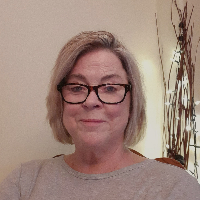
About Debbie
Debbie Chirikos is a licensed clinical social worker with 40 years of experience. She chose this work and has kept at it because she values helping people make real change in their lives. Debbie listens closely and shows up fully for the person in front of her.
She helps people who are ready to do the hard work and try new ways of coping. She uses approaches that help people understand how early bonds and current patterns shape feelings and behavior.
Background and approach
Debbie blends practical skills with thoughtful conversation so people can move toward what feels authentic for them. She encourages non-judgmental feedback and often uses humor as part of the work. Her background includes a bachelor’s degree and a master’s degree in clinical social work from Colorado universities, and a long career across several states and regions.
That range of experience informs a steady, practical style that aims for realistic change. She is patient with repeated setbacks and focused on small, usable steps. Common concerns she addresses include stress, anxiety, depression, grief, trauma and abuse, parenting and family issues, relationship struggles, ADHD, sleep problems, career questions, and caregiver strain.
She also supports people dealing with adoption and foster care, attachment issues, blended family matters, codependency, and first responder stress. Debbie is licensed in Illinois as an LCSW and offers services in English. Her work is best suited to people who want an engaged partner and are willing to reflect on patterns and try new strategies.
How therapeutic approaches translate to online care
Attachment-Based Therapy looks at how early relationships shape current feelings and patterns. Online sessions can help people notice those patterns and try new ways of relating in daily life. Cognitive Behavioral Therapy (CBT) focuses on identifying unhelpful thoughts and practicing different behaviors. It works well for anxiety, depression, sleep problems, and stress because it breaks problems into doable steps and exercises people can try between sessions.Finding the right approach is part of the work together. The therapist will listen to your concerns, goals, and preferences and suggest which methods to try. That decision is collaborative and may change over time as you notice what helps most.
Online formats provide flexibility for different needs. Video calls give visual cues and a session feel similar to in-person meetings. Phone sessions use less bandwidth and can be easier during a busy day. Live chat and text-based messaging allow shorter check-ins, written reflection, or help between sessions when that fits the person’s routine. These options make it simpler to fit therapy into work, caregiving, or travel schedules while using the chosen approaches.
Frequently asked questions
What concerns does Debbie commonly address?
What is her general therapy style like?
How much experience does she have?
Where is she licensed and based?
Which languages are supported for sessions?
What session formats are available?
How does cost and billing work?
How do I begin working with her?
Specialties and expertise
Top specialties
- Stress, Anxiety
- Family conflicts
- Parenting issues
Also works with
- ADHD
- Adoption and foster care
- Attachment issues
- Blended family issues
- Career difficulties
- Caregiver issues and stress
- Codependency
- Communication problems
- Compassion fatigue
- Coping with life changes
- Depression
- Divorce and separation
- Domestic violence
- Emptiness
- Family of origin issues
- Family problems
- First responder issues
- Grief
- Guilt and shame
- Post-traumatic stress
- Relationship issues
- Self esteem
- Sleeping disorders
- Social anxiety and phobia
- Trauma and abuse
- Women's issues
- Workplace issues
Therapeutic approaches
- Experience
- 40 years
- Licensed
- Illinois
- Languages
- English