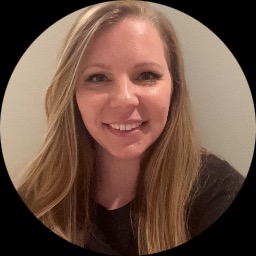
Elizabeth Snow, LICSW, LCSW
District of Columbia · 10 yrs exp
Works with Stress, Anxiety / Addictions / Self esteem +12
Works by Client-Centered Therapy / Cognitive Behavioral Therapy (CBT)
View ProfileThe therapist listings are provided by BetterHelp and we will earn a commission if you use our link - at no cost to you.
Welcome to our directory of online Licensed Clinical Social Workers (LCSWs) serving the District of Columbia. All therapists listed here hold a state clinical license; explore the profiles below to learn about their credentials, languages, and areas of focus.
District of Columbia · 10 yrs exp
Works with Stress, Anxiety / Addictions / Self esteem +12
Works by Client-Centered Therapy / Cognitive Behavioral Therapy (CBT)
View Profile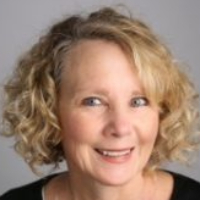
District of Columbia · 23 yrs exp
Works with Stress, Anxiety / Grief / Self esteem +15
Works by Acceptance and Commitment Therapy (ACT) / Client-Centered Therapy
View Profile
District of Columbia · 20 yrs exp · 2 languages
Works with Addictions / LGBT / Trauma and abuse +13
Works by Cognitive Behavioral Therapy (CBT) / Motivational Interviewing
View Profile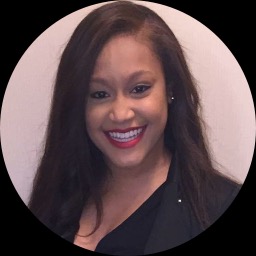
District of Columbia · 4 yrs exp
Works with Stress, Anxiety / Family / Grief +12
Works by Attachment-Based Therapy / Client-Centered Therapy
View Profile
District of Columbia · 25 yrs exp
Works with Stress, Anxiety / Parenting / Self esteem +2
View Profile
District of Columbia · 8 yrs exp
Works with Stress, Anxiety / Family / Self esteem +2
View Profile
District of Columbia · 6 yrs exp
Works with Stress, Anxiety / Depression / Coping with life changes +14
Works by Client-Centered Therapy / Cognitive Behavioral Therapy (CBT)
View Profile
District of Columbia · 3 yrs exp
Works with Stress, Anxiety / Relationship / Grief +2
View ProfileIf you are looking for a Licensed Clinical Social Worker who offers online sessions while based in the District of Columbia, it helps to know what the LCSW credential represents and how online practice works in this jurisdiction. An LCSW is a clinician who has completed a graduate degree in social work, finished a state-set period of supervised post-graduate clinical experience, and passed a clinical licensing examination. The license itself is issued and renewed by a District of Columbia licensing board, and the title and scope of practice can vary from one state to another. When an LCSW lists online services, they are generally applying their social work training to provide clinical assessment, psychotherapy, case consultation, and support across a range of concerns, adapted to a virtual format.
Online practice in the District of Columbia has become a regular part of how many LCSWs connect with people who prefer video or phone sessions for reasons such as work schedules, mobility, or geographic flexibility within the metropolitan area. Because each LCSW’s profile on this site notes their licensure and stated focus areas, you can begin by looking for clinicians whose experience and language skills match your needs. Keep in mind that the license affirms that a clinician met state requirements for clinical social work; it does not describe the specific therapeutic techniques an individual may list in their profile.
You may find that online sessions remove several practical obstacles while preserving a strong therapeutic relationship. For many people in the District of Columbia, online sessions reduce commute time, allow easier coordination with work or family obligations, and can be more convenient when transit, parking, or accessibility would otherwise make in-person visits difficult. Online meetings can let you connect from a comfortable environment of your choosing while still accessing clinicians who maintain a local license and understand the social and community context of the District.
Another advantage is that online access expands the pool of LCSWs whose focus areas and languages align with what you want. Because social work emphasizes a person-in-environment perspective, an LCSW conducting online sessions can address the interaction between your internal experience and external factors such as housing, employment, family dynamics, and community resources. That broader lens can be especially useful in an urban setting where those environmental factors often have a major impact on well-being. While online delivery changes the setting, it does not change the foundational clinical training that informs how an LCSW assesses needs and offers support.
LCSWs provide clinical services across a wide range of concerns, and many of these can be addressed effectively through online sessions. You will commonly see LCSWs listing focus areas such as depression, anxiety, relationship and family issues, life transitions, grief, stress related to work or school, and coping with chronic health conditions. Because social work training emphasizes the relationship between individuals and their environments, LCSWs often incorporate considerations like housing stability, access to benefits, workplace stressors, and community supports into their clinical thinking and planning.
On an online profile you will usually find details about the populations a clinician works with - for example adolescents, adults, older adults, couples, or families - and languages spoken. Many LCSWs also describe practice areas such as trauma-informed care, parenting support, or interventions for substance-related concerns. Remember that the directory reflects what clinicians choose to list; it does not verify specific certifications or training beyond the LCSW license itself. If a particular area of focus matters to you, note how a clinician frames that work on their profile and prepare questions that help you understand their approach before beginning sessions.
It is reasonable to want confirmation that a clinician holds an active LCSW license in the District of Columbia. You can verify licensure using the District of Columbia’s professional licensing resources. Search the District of Columbia licensing board for social work or the relevant online verification tool, and look for the clinician’s name and license number. When you review a license record, you will typically see the license status, the expiration or renewal date, and whether any disciplinary actions are recorded. These public records are maintained by the state board and provide authoritative information about a clinician’s legal standing to practice.
When you review the license, pay attention to the exact title used by the board. Titles and scope can differ slightly between states, so make sure the designation shown corresponds to clinical social work. If you have questions about a listing you find on a clinician’s profile, use the licensing board record as the primary source. The licensing record is also the place to check how the board describes the scope of practice for an LCSW in the District of Columbia, since that scope determines what a clinician is authorized to do under state rules.
Begin by reviewing profiles to identify LCSWs who list focus areas and languages that match your needs. Think about what matters most to you in a therapeutic relationship - for example clinical experience with certain issues, shared cultural background, communication style, or session length and format. Prepare a short list of questions to ask a clinician when you contact them, such as how they describe their clinical approach, what a typical session looks like, how they structure treatment goals, and which payment methods they accept. Gathering this information ahead of time helps you make a clear comparison between options without relying on transient operational details.
When comparing LCSW profiles, focus on credentials, years of clinical experience, listed focus areas, languages spoken, and any descriptions of populations served. Consider whether you want someone who emphasizes a systemic, person-in-environment perspective - a hallmark of social work that pays attention to factors like housing, employment, and community ties - or someone whose profile highlights work with specific age groups or life stages. If a clinician lists particular approaches among their methods, remember that the profile indicates what they report using; it does not stand in for formal certification. You can ask about how those approaches are applied in sessions so you understand what the work will feel like.
Finally, think practically about technology and comfort with online sessions. Confirm what video platform a clinician uses and whether you will need specific software or an account. Decide in advance where you will take sessions so you have a calm, interruption-reduced environment. The quality of the interaction often depends as much on a good logistical setup as on clinical fit. Once you have the information you need, use the contact details on a clinician’s profile to ask about scheduling, fees, session length, and any paperwork or intake steps they require. Approaching the process with clear priorities will make it easier to identify an LCSW who aligns with your goals.
As you explore LCSW profiles in the District of Columbia, keep in mind that licensure confirms a clinician met state standards for clinical social work, while the details on each profile help you evaluate whether their focus and communication style match your needs. The person-in-environment perspective that social work emphasizes can be particularly valuable in urban contexts where social and economic factors interact with personal wellbeing. Use licensing records to confirm standing and use profile information to guide your questions. Thoughtful preparation and attention to how a clinician describes their work will help you find a professional relationship that supports your goals.
Choosing a clinician is a personal decision. By focusing on credentials, stated clinical interests, language, and how a clinician frames their work, you can make a considered choice that fits your circumstances in the District of Columbia. Take your time reviewing profiles and asking the questions that matter to you before beginning online sessions.
Addictions
2936 therapists
ADHD
2418 therapists
Anger
3557 therapists
Bipolar
2461 therapists
Chronic Illness
1598 therapists
Chronic Pain
1598 therapists
Compulsion
1233 therapists
Control Issues
2707 therapists
Depression
6520 therapists
Disaster Relief Therapy
1305 therapists
Dissociation
721 therapists
Domestic Violence
1680 therapists
Eating Disorders
1022 therapists
Gambling
791 therapists
Grief
4584 therapists
Guilt and Shame
4562 therapists
Impulsivity
2173 therapists
Intimacy Issues
2385 therapists
Isolation / Loneliness
4432 therapists
Midlife Crisis
2242 therapists
Mood Disorders
3337 therapists
Obsession
1233 therapists
OCD
1233 therapists
Panic Disorder and Panic Attacks
2828 therapists
Phobias
837 therapists
Post-Traumatic Stress
3703 therapists
Postpartum Depression
1588 therapists
Seasonal Affective Disorder (SAD)
1891 therapists
Self Esteem
6266 therapists
Self-Harm
1411 therapists
Sexual Trauma
1441 therapists
Sleeping Disorders
1296 therapists
Social Anxiety and Phobia
3959 therapists
Stress & Anxiety
7344 therapists
Trauma and Abuse
5115 therapists
Abandonment
2512 therapists
Adoption
1323 therapists
Aging and Geriatric Issues
2068 therapists
Attachment Issues
2817 therapists
Blended Family Issues
1929 therapists
Body Image
1932 therapists
Career
3196 therapists
Caregiver Issues and Stress
3641 therapists
Codependency
2354 therapists
Commitment Issues
1769 therapists
Communication Problems
5232 therapists
Compassion Fatigue
2989 therapists
Coping with Life Changes
5723 therapists
Divorce
3004 therapists
Family
4349 therapists
Family of Origin Issues
1933 therapists
Fatherhood Issues
1024 therapists
Fertility Issues
662 therapists
First Responder Issues
1280 therapists
Forgiveness
4087 therapists
Foster Care
1323 therapists
Hospice and End-of-Life Counseling
1644 therapists
Infidelity
1633 therapists
Jealousy
1503 therapists
Life Purpose
4651 therapists
Money and Financial Issues
1558 therapists
Parenting
3476 therapists
Pregnancy
1360 therapists
Relationship
5303 therapists
Self-Love
4911 therapists
Separation
3004 therapists
Sexuality
1368 therapists
Workplace Issues
3111 therapists