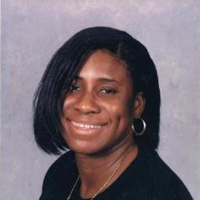
About Colleen
Dr. Colleen Downes helps people facing stress, anxiety, depression, relationship strains, parenting challenges, grief, trauma, and work or career concerns. She also addresses ADHD, self-esteem, anger, compassion fatigue, and the strain of caregiving.
Dr. Downes practices from New York and brings decades of clinical experience to each conversation. Her style is warm and interactive.
She listens first, then shapes sessions around a person's immediate needs and goals. Conversations are practical and focused on what a person can try between sessions.
Background and approach
She keeps language simple and direct so clients can use what they learn right away. Dr. Downes draws on client-centered, mindfulness-based, psychodynamic, and solution-focused approaches.
That mix helps uncover past patterns, build present coping skills, and set clear steps forward. She adapts methods to match what feels most useful for each person rather than using a single script. Her work has included mental health, learning disabilities, chronic medical conditions, foster care, and adoption contexts.
Those experiences inform how she frames problems like chronic illness, caregiver stress, family of origin issues, and attachment concerns. She pays attention to practical barriers and emotional patterns that keep problems stuck. Sessions aim to increase coping skills and emotional insight.
Dr. Downes supports clients in making small, achievable changes and noticing progress over time. She combines active listening with focused tasks so people leave sessions with concrete next steps.
How her approaches work online
Client-centered work starts by putting the person's concerns at the center of each session. The therapist listens carefully and follows what matters most to the client, helping them name goals and priorities. Mindfulness therapy uses simple attention practices and breathing techniques to reduce stress and improve focus, which can help with anxiety, ADHD, and emotional reactivity.Finding the right approach is part of the process. The therapist will collaborate with clients to test what helps most, mixing reflective work with concrete tasks as needed. That collaborative process means approaches can shift over time based on progress, goals, and day-to-day demands.
Online formats include video calls, phone sessions, live chat, and text-based messaging. Video calls work well for in-depth conversations and visual cues. Phone sessions are useful when bandwidth or camera use is limited. Live chat and messaging fit brief check-ins, quick problem-solving, or when written reflection feels easier. These options make scheduling more flexible and help people fit therapy into busy lives.
Frequently asked questions
What kinds of problems does she address?
How would you describe her therapeutic approach?
How much experience does she have?
What are her credentials and where is she located?
Which languages are offered for sessions?
Can international clients work with her?
What session formats are available?
How are costs and starting arranged?
Specialties and expertise
Top specialties
- Stress, Anxiety
- Self esteem
- Career difficulties
Also works with
- Abandonment
- ADHD
- Adoption and foster care
- Anger management
- Attachment issues
- Autism and Asperger Syndrome
- Blended family issues
- Cancer
- Caregiver issues and stress
- Chronic pain, illness, and disability
- Coaching
- Compassion fatigue
- Coping with life changes
- Depression
- Family conflicts
- Family of origin issues
- Family problems
- Fertility issues
- Forgiveness
- Grief
- Guilt and shame
- Immigration issues
- Impulsivity
- Intellectual disability
- Isolation / loneliness
- Multicultural concerns
- Parenting issues
- Post-traumatic stress
- Postpartum depression
- Relationship issues
- Self-love
- Social anxiety and phobia
- Trauma and abuse
- Traumatic brain injury
- Visually impaired
- Women's issues
- Workplace issues
- Young adult issues
Therapeutic approaches
- Experience
- 35 years
- Licensed
- New York
- Languages
- English