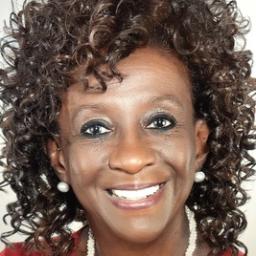
About Gwendolyn
Dr. Gwendolyn Jackson helps people who are coping with stress, anxiety, depression, parenting strain, relationship and intimacy concerns, trauma and abuse, and struggles with self-esteem and addiction. She also supports people facing compassion fatigue, ADHD symptoms, body image worries, and questions about life purpose and self-love.
Dr. Jackson is a Licensed Clinical Social Worker, LCSW, with decades of practice in Louisiana. She takes a straightforward, steady approach in sessions.
Conversations focus on what is happening now and what changes would feel most helpful.
Background and approach
She uses practical tools to manage stress and strong emotions, and she teaches skills people can use between meetings. Her work draws on cognitive behavioral methods to identify unhelpful thinking and build new habits. She also uses elements of dialectical behavior therapy to help with emotional regulation and interpersonal effectiveness.
Mindfulness techniques and trauma-focused methods are part of how she helps people process painful memories and reduce reactivity. Over a 32-year career she has supported people through grief, abandonment issues, adoption and foster care questions, attachment concerns, and caregiver stress. That experience informs a calm, patient style that aims to make difficult topics easier to talk about.
In sessions she listens for practical steps clients can try right away. She works collaboratively to set goals and monitor progress. Many people come for short-term coaching or longer work on deep wounds, and the focus is set together based on each person’s needs.
How online approaches and tools can help
Dr. Jackson uses cognitive behavioral approaches to help people spot and change unhelpful thoughts and routines. CBT focuses on practical steps such as testing beliefs, changing patterns, and building new habits to reduce anxiety and depression.She also incorporates dialectical behavior therapy skills to teach emotional regulation, distress tolerance, and clearer communication. DBT skills are useful when emotions feel overwhelming or relationships are strained.
Choosing the right approach is part of the work together. The therapist will talk with each person about symptoms, goals, and day-to-day constraints to decide which methods to use. This is a collaborative process and plans can change as needs shift.
Online sessions are offered by video calls, phone sessions, live chat, or text-based messaging to make therapy more flexible. Video lets people use face-to-face interaction for skills practice. Phone sessions can fit a break at work or be used when bandwidth is limited. Live chat and messaging are useful for brief check-ins, homework discussion, or when someone prefers typed communication. These options help people keep continuity of care and fit sessions into busy lives.
Frequently asked questions
What concerns does she address?
What is her general therapeutic style?
How much clinical experience does she have?
What credentials and location are listed?
Which languages are supported for sessions?
What session formats are available?
How is cost handled?
How do I begin working with her?
Specialties and expertise
Top specialties
- Stress, Anxiety
- Relationship issues
- Family conflicts
Also works with
Therapeutic approaches
- Experience
- 32 years
- Licensed
- Louisiana
- Languages
- English