
Kelley Sullivan, LCSW
Colorado · 19 yrs exp · 2 languages
Works with Stress, Anxiety / Relationship / Trauma and abuse +13
Works by Somatic Therapy / Acceptance and Commitment Therapy (ACT)
View ProfileThe therapist listings are provided by BetterHelp and we will earn a commission if you use our link - at no cost to you.
On this page you'll find licensed LCSW therapists who list adoption as a focus, including work with birth parents, adoptees, and adoptive families. Browse the listings below to compare experience, languages, and therapeutic approaches that match your needs.
Colorado · 19 yrs exp · 2 languages
Works with Stress, Anxiety / Relationship / Trauma and abuse +13
Works by Somatic Therapy / Acceptance and Commitment Therapy (ACT)
View Profile
Texas · 13 yrs exp
Works with Stress, Anxiety / Relationship / Trauma and abuse +12
Works by Attachment-Based Therapy / Client-Centered Therapy
View Profile
North Carolina · 10 yrs exp
Works with Stress, Anxiety / Relationship / Family +17
Works by Acceptance and Commitment Therapy (ACT) / Client-Centered Therapy
View Profile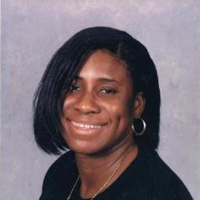
New York · 35 yrs exp
Works with Stress, Anxiety / Self esteem / Career +11
Works by Client-Centered Therapy / Mindfulness Therapy
View Profile
Texas · 21 yrs exp
Works with Stress, Anxiety / Relationship / Trauma and abuse +16
Works by Acceptance and Commitment Therapy (ACT) / Client-Centered Therapy
View Profile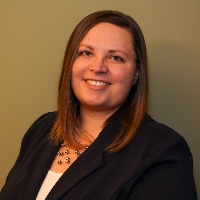
Illinois · 12 yrs exp
Works with Stress, Anxiety / Trauma and abuse / Parenting +13
Works by Client-Centered Therapy / Cognitive Behavioral Therapy (CBT)
View Profile
Louisiana · 14 yrs exp
Works with Stress, Anxiety / Anger / Self esteem +10
View Profile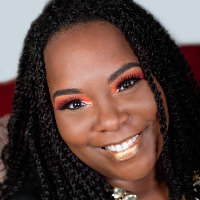
North Carolina · 30 yrs exp
Works with LGBT / Relationship / Family +14
Works by Acceptance and Commitment Therapy (ACT) / Attachment-Based Therapy
View Profile
North Carolina · 30 yrs exp
Works with Stress, Anxiety / Relationship / Family +11
Works by Client-Centered Therapy / Cognitive Behavioral Therapy (CBT)
View Profile
Florida · 14 yrs exp
Works with Stress, Anxiety / Trauma and abuse / Grief +14
Works by Cognitive Behavioral Therapy (CBT) / Dialectical Behavior Therapy (DBT)
View Profile
Texas · 20 yrs exp
Works with Stress, Anxiety / Addictions / Family +16
Works by Client-Centered Therapy / Cognitive Behavioral Therapy (CBT)
View Profile
Delaware · 28 yrs exp · 2 languages
Works with Stress, Anxiety / Family / Self esteem +12
Works by Acceptance and Commitment Therapy (ACT) / Client-Centered Therapy
View Profile
California · 20 yrs exp
Works with Stress, Anxiety / Relationship / Family +16
Works by Cognitive Behavioral Therapy (CBT) / Motivational Interviewing
View Profile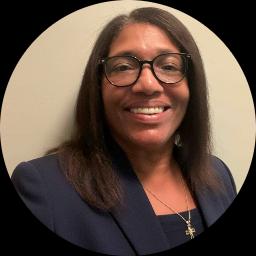
Mississippi · 36 yrs exp
Works with Family / Parenting / Anger +12
Works by Acceptance and Commitment Therapy (ACT) / Attachment-Based Therapy
View Profile
Florida · 28 yrs exp · 3 languages
Works with Stress, Anxiety / Addictions / Trauma and abuse +14
Works by Acceptance and Commitment Therapy (ACT) / Attachment-Based Therapy
View Profile
California · 7 yrs exp
Works with Stress, Anxiety / LGBT / Trauma and abuse +2
View Profile
Texas · 6 yrs exp
Works with Addictions / Trauma and abuse / Parenting +7
Works by Acceptance and Commitment Therapy (ACT) / Client-Centered Therapy
View Profile
New York · 25 yrs exp · 2 languages
Works with Stress, Anxiety / Grief / Anger +7
Works by Client-Centered Therapy / Cognitive Behavioral Therapy (CBT)
View Profile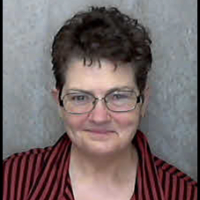
Texas · 35 yrs exp
Works with Stress, Anxiety / Relationship / Family +15
Works by Attachment-Based Therapy / Client-Centered Therapy
View Profile
North Dakota · 10 yrs exp
Works with Stress, Anxiety / Relationship / Family +11
Works by Somatic Therapy / Acceptance and Commitment Therapy (ACT)
View Profile
Texas · 25 yrs exp
Works with Relationship / Family / Self esteem +2
View Profile
New York · 25 yrs exp
Works with Stress, Anxiety / Relationship / Family +16
Works by Acceptance and Commitment Therapy (ACT) / Client-Centered Therapy
View Profile
Illinois · 3 yrs exp
Works with Stress, Anxiety / Addictions / LGBT +11
Works by Cognitive Behavioral Therapy (CBT) / Solution-Focused Therapy
View Profile
Montana · 20 yrs exp
Works with Stress, Anxiety / Addictions / Relationship +12
Works by Acceptance and Commitment Therapy (ACT) / Attachment-Based Therapy
View Profile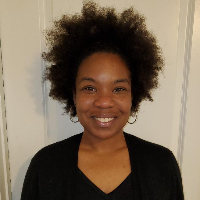
North Carolina · 15 yrs exp
Works with LGBT / Relationship / Family +8
Works by Attachment-Based Therapy / Client-Centered Therapy
View Profile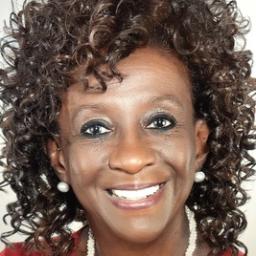
Louisiana · 32 yrs exp
Works with Stress, Anxiety / Relationship / Family +12
Works by Cognitive Behavioral Therapy (CBT) / Dialectical Behavior Therapy (DBT)
View Profile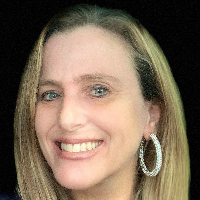
Florida · 20 yrs exp
Works with Stress, Anxiety / Relationship / Family +7
Works by Client-Centered Therapy / Mindfulness Therapy
View Profile
Missouri · 25 yrs exp · 2 languages
Works with Anger / Self esteem / Depression +16
Works by Somatic Therapy / Client-Centered Therapy
View Profile
Florida · 16 yrs exp
Works with Stress, Anxiety / Trauma and abuse / Grief +11
Works by Acceptance and Commitment Therapy (ACT) / Attachment-Based Therapy
View Profile
New Mexico · 4 yrs exp
Works with Stress, Anxiety / Relationship / Trauma and abuse +12
Works by Client-Centered Therapy / Cognitive Behavioral Therapy (CBT)
View Profile
Illinois · 40 yrs exp
Works with Stress, Anxiety / Family / Parenting +10
Works by Attachment-Based Therapy / Client-Centered Therapy
View Profile
Louisiana · 28 yrs exp
Works with Stress, Anxiety / Family / Parenting +11
Works by Client-Centered Therapy / Cognitive Behavioral Therapy (CBT)
View Profile
Florida · 5 yrs exp
Works with Stress, Anxiety / LGBT / Trauma and abuse +11
Works by Somatic Therapy / Acceptance and Commitment Therapy (ACT)
View Profile
Utah · 18 yrs exp
Works with Stress, Anxiety / Relationship / Grief +11
Works by Client-Centered Therapy / Motivational Interviewing
View Profile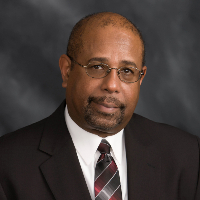
Mississippi · 51 yrs exp
Works with Stress, Anxiety / Relationship / Self esteem +16
Works by Acceptance and Commitment Therapy (ACT) / Attachment-Based Therapy
View Profile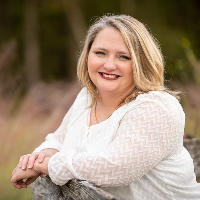
North Carolina · 3 yrs exp
Works with Stress, Anxiety / Anger / Self esteem +6
Works by Client-Centered Therapy / Cognitive Behavioral Therapy (CBT)
View Profile
Louisiana · 30 yrs exp
Works with Stress, Anxiety / Relationship / Family +15
Works by Client-Centered Therapy / Cognitive Behavioral Therapy (CBT)
View Profile
Florida · 42 yrs exp
Works with Stress, Anxiety / Addictions / Relationship +16
Works by Somatic Therapy / Acceptance and Commitment Therapy (ACT)
View Profile
Georgia · 7 yrs exp
Works with Stress, Anxiety / Trauma and abuse / Self esteem +11
Works by Acceptance and Commitment Therapy (ACT) / Attachment-Based Therapy
View Profile
Texas · 16 yrs exp
Works with Stress, Anxiety / Relationship / Family +14
Works by Somatic Therapy / Acceptance and Commitment Therapy (ACT)
View Profile
Missouri · 3 yrs exp
Works with Family / Trauma and abuse / Parenting +9
Works by Client-Centered Therapy / Solution-Focused Therapy
View Profile
Missouri · 21 yrs exp
Works with Stress, Anxiety / Relationship / Trauma and abuse +11
Works by Client-Centered Therapy / Cognitive Behavioral Therapy (CBT)
View Profile
Missouri · 5 yrs exp
Works with Family / Trauma and abuse / Parenting +13
Works by Acceptance and Commitment Therapy (ACT) / Client-Centered Therapy
View Profile
Missouri · 12 yrs exp
Works with Stress, Anxiety / Relationship / Grief +11
Works by Acceptance and Commitment Therapy (ACT) / Attachment-Based Therapy
View Profile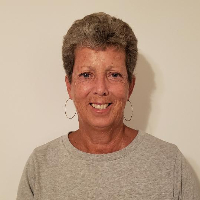
Illinois · 37 yrs exp
Works with Stress, Anxiety / Family / Anger +12
Works by Client-Centered Therapy / Solution-Focused Therapy
View Profile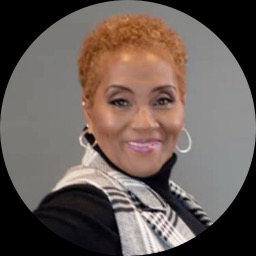
North Carolina · 16 yrs exp
Works with Stress, Anxiety / Self esteem / Depression +10
Works by Cognitive Behavioral Therapy (CBT)
View Profile
Texas · 24 yrs exp · 2 languages
Works with Stress, Anxiety / LGBT / Self esteem +14
Works by Acceptance and Commitment Therapy (ACT) / Client-Centered Therapy
View Profile
Pennsylvania · 25 yrs exp
Works with Stress, Anxiety / Addictions / LGBT +15
Works by Acceptance and Commitment Therapy (ACT) / Client-Centered Therapy
View ProfileAdoption touches people in many different ways over the course of a lifetime. For some it is the culmination of a long decision-making process that brings relief and joy. For others it can resurrect complicated emotions tied to loss, identity, attachment, or system involvement. You may be a birth parent processing grief and regret, an adoptee navigating questions about origin and identity, or an adoptive parent managing relationship dynamics and behavior concerns. Adoption also intersects with practical concerns like health records, school transitions, legal processes, and relationships with extended family. Those external circumstances influence how you feel and what you bring to the work of therapy.
Licensed Clinical Social Workers approach adoption through a person-in-environment perspective, meaning that they consider both the internal experience and the external systems that shape it. That perspective is especially useful when adoption issues are complicated by housing, employment, access to services, or contact with biological family and child welfare systems. Because adoption can involve shifting roles and ongoing reunification conversations, the emotional landscape is often layered rather than a single problem, and many people find that a sustained therapeutic relationship helps make sense of those layers.
You might seek therapy when adoption-related feelings start to interfere with daily life or relationships. If you notice persistent sadness, intrusive memories, anxiety about parenting or attachment, or a sense of numbness around adoption milestones, these can be signals that extra support would help. Adoptees sometimes experience questions about identity, belonging, or loss that emerge at predictable life stages - school transitions, adolescence, and becoming a parent yourself. Birth parents may face complicated grief that does not resolve on its own, especially if there is limited information or ongoing legal complexities.
Therapy can also be a resource when practical stressors linked to adoption become overwhelming. You might be managing co-parenting arrangements, navigating adoption records and searching, or addressing behavioral challenges that affect family functioning. If you find conversations about adoption are leading to repeated conflict, avoidance, or confusion in your relationships, a licensed clinical social worker can help you develop clearer communication, coping strategies, and ways to address the environmental barriers that amplify emotional strain.
Early sessions typically involve an intake conversation where you and the LCSW outline the issues that brought you in and the practical factors that surround them. You can expect questions about family history, the adoption process you experienced, current supports, and daily life demands such as work and housing. Because LCSWs are licensed clinicians who completed graduate social work training and supervised clinical experience, they are prepared to assess both emotional needs and the external resources that affect them.
Therapy is often collaborative and goal oriented. You and your LCSW may set short-term goals for managing intense emotions or specific interactions, and longer-term goals related to identity, attachment, or relationship repair. Sessions may include exploring narratives about adoption, building skills for regulation and communication, processing grief, and connecting you to community resources when needed. Your LCSW may help you plan practical steps, such as how to gather medical or legal information, how to prepare for conversations with family members, or how to link up with peer supports and advocacy resources. The emphasis on both internal experience and external context can make this work particularly pragmatic as well as emotionally focused.
There is no single method uniquely tied to adoption work, and individual LCSWs bring different orientations to their practice. You may find therapists who describe a relational focus, attachment-informed perspectives, trauma-aware care, or family systems approaches. When browsing profiles, look for descriptions that say a therapist lists attachment work, trauma-informed approaches, narrative work, or family systems among their approaches. That language tells you how they frame adoption-related concerns without implying a specific certification or guaranteed outcome.
Some therapists emphasize work with children and developmental attachment, while others emphasize identity work with adult adoptees or grief processing with birth parents. Family sessions may be used to repair communication and strengthen parenting strategies, and individual work may support deeper exploration of origin questions or loss. It is reasonable to seek an LCSW who mentions experience with adoption populations similar to yours - for example, working with older adoptees, with international adoption issues, or with open adoption dynamics - because that can shape how they understand common questions and practical complexities.
Online sessions expand access to LCSWs who specialize in adoption across geography, which can be especially helpful if you are seeking someone with experience in a specific type of adoption or language. Teletherapy typically uses video or telephone sessions that resemble in-person meetings in structure - you and your therapist agree on session length, frequency, and goals, and you use the time to explore emotions, practice new ways of relating, and plan next steps. Because adoption issues sometimes involve family members in different locations, online sessions can make it easier to include distant relatives or coordinate with other professionals.
There are practical considerations to keep in mind. Licensing rules vary by state, and LCSWs are licensed by individual state boards with differing regulations about where they can offer services. Before you begin, look at each profile for the therapist's licensure state and languages spoken, and consider how time zone differences and technology access will affect scheduling. If you are planning sessions that may involve emotionally intense material or a child, discuss with the therapist how to create a calm environment and what supports are in place should you need them after a session. Online therapy can be an effective way to get consistent support while balancing the logistical demands of everyday life.
When you look through the directory, prioritize the combination of experience and perspective that matters most to you. Consider whether you want a clinician who explicitly mentions working with adoptees, birth parents, or adoptive families, and whether specific life experience - such as familiarity with international adoption, open adoption arrangements, or involvement with child welfare systems - aligns with your situation. Language ability, cultural competence, and an understanding of systems like education and health care can be important practical factors when adoption questions intersect with identity and access to services.
It helps to read therapist profiles with attention to how they describe their approach to relationships and context. LCSWs emphasize the person-in-environment perspective, so look for descriptions that take your broader circumstances into account. You may also want to identify whether a therapist lists family work, individual therapy, or adolescent work among their areas of focus, since adoption concerns often span generations. Finally, think about logistical fit - session format, languages spoken, and whether the therapist’s described focus aligns with the stage of adoption-related issues you are facing. A clear alignment between your needs and a clinician's stated focus can make the work more productive from the start.
Finding an LCSW who understands the emotional and practical dimensions of adoption can make a meaningful difference in how you process loss, build identity, and strengthen relationships. Use the listings to explore descriptions, approaches, and backgrounds so you can identify clinicians whose experience and perspective match the path you want to take.
Alabama
26 therapists
Alaska
19 therapists
Arizona
115 therapists
Arkansas
68 therapists
California
989 therapists
Colorado
177 therapists
Connecticut
133 therapists
Delaware
42 therapists
District of Columbia
8 therapists
Florida
982 therapists
Georgia
268 therapists
Hawaii
39 therapists
Idaho
50 therapists
Illinois
450 therapists
Indiana
247 therapists
Iowa
9 therapists
Kansas
33 therapists
Kentucky
166 therapists
Louisiana
165 therapists
Maine
66 therapists
Maryland
29 therapists
Massachusetts
17 therapists
Michigan
43 therapists
Minnesota
16 therapists
Mississippi
86 therapists
Missouri
188 therapists
Montana
62 therapists
Nebraska
2 therapists
Nevada
71 therapists
New Hampshire
24 therapists
New Jersey
300 therapists
New Mexico
69 therapists
New York
659 therapists
North Carolina
441 therapists
North Dakota
12 therapists
Ohio
39 therapists
Oklahoma
87 therapists
Oregon
78 therapists
Pennsylvania
272 therapists
Rhode Island
4 therapists
South Carolina
45 therapists
South Dakota
2 therapists
Tennessee
134 therapists
Texas
617 therapists
Utah
121 therapists
Vermont
3 therapists
Virginia
232 therapists
Washington
20 therapists
West Virginia
9 therapists
Wisconsin
161 therapists
Wyoming
22 therapists