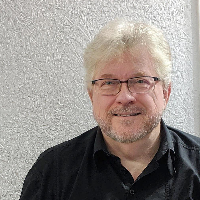
About Clarence
Clarence "Rick" Haynes helps people facing stress, anxiety, grief, low self-esteem, depression, and the fallout from life changes. He also supports people dealing with relationship and family concerns, trauma and abuse, intimacy questions, career stress, compassion fatigue, and ADHD. Rick is a Licensed Clinical Social Worker with 35 years of practice in Tennessee.
He speaks English and works with clients both in the U.S. and internationally. Rick keeps sessions straightforward and practical.
Background and approach
He focuses on building a trusting relationship first. That gives people a place to talk through worries and sort out what matters most. He moves at a pace that feels manageable for each person.
His approach blends acceptance and commitment ideas, mindfulness, client-centered listening, and psychodynamic thinking. In sessions people learn to notice unhelpful thoughts, try small changes, and practice habits that reduce distress. He encourages simple exercises, such as journaling, to track patterns between thinking and feeling.
Rick often helps people set clear, doable goals and walk through steps to reach them. He uses talk and brief skill practice rather than long lectures. The focus is on problems you want to change now and ways to handle them in daily life.
People who choose Rick usually want steady guidance and practical tools mixed with empathetic listening. His work emphasizes steady progress over time, not quick fixes. If you prefer a calm, experienced clinician who explains things plainly, Rick can be a steady partner on the path forward.
How his approaches translate to online therapy
Acceptance and Commitment Therapy (ACT) focuses on noticing thoughts and values, then taking actions that matter despite inner difficulties. It can help with anxiety, depression, and coping with life changes by clarifying what matters and encouraging small practical steps. Mindfulness Therapy uses simple attention practices to reduce reactivity and increase awareness of thoughts and feelings; it is useful for stress, rumination, and improving emotional balance.Finding the right approach is part of the work together. Rick will listen to your goals and preferences and suggest which ideas to try first. That choice is collaborative and can shift as you learn what helps you most.
Online sessions offer flexibility to fit therapy into a busy life. Video calls let you see each other and work through exercises together. Phone sessions use less bandwidth and can be easier when a shorter check-in fits your schedule. Live chat or text-based messaging can provide quick reflections, journaling prompts, or ongoing support between longer sessions. These formats make it simpler to keep steady progress without long travel times or schedule disruption.
Frequently asked questions
What kinds of problems does he help with?
What is his general approach in sessions?
How much experience does he bring?
What are his credentials and where is he based?
Can people from other countries work with him?
Which session formats does he offer?
How does payment and cost work?
How do I begin working with him?
Specialties and expertise
Top specialties
Also works with
- Abandonment
- ADHD
- Aging and geriatric issues
- Attachment issues
- Avoidant personality
- Career difficulties
- Caregiver issues and stress
- Codependency
- Commitment issues
- Communication problems
- Compassion fatigue
- Control issues
- Coping with life changes
- Dependent personality
- Depression
- Dissociation
- Family conflicts
- Family problems
- Forgiveness
- Guilt and shame
- Impulsivity
- Infidelity
- Intimacy-related issues
- Isolation / loneliness
- Life purpose
- Midlife crisis
- Mood disorders
- Obsessions, compulsions, and OCD
- Panic disorder and panic attacks
- Paranoia
- Relationship issues
- Seasonal Affective Disorder (SAD)
- Self-love
- Sex addiction
- Sexuality
- Social anxiety and phobia
- Trauma and abuse
- Workplace issues
Therapeutic approaches
- Experience
- 35 years
- Licensed
- Tennessee
- Languages
- English