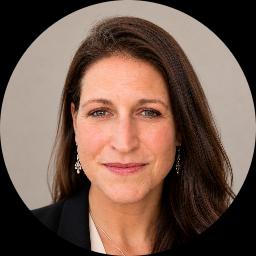
About Samantha
Samantha Blackwell is a licensed clinical social worker in Ohio with 20 years of experience helping people manage stress, anxiety, depression, grief, trauma, and relationship or intimacy concerns. She also supports people facing parenting strain, career pressures, ADHD, body image and identity questions, and issues related to caregiving and chronic illness. Her style is straightforward and warm.
Sessions focus on practical steps people can try between meetings. She listens for what matters most to each person and helps them name goals that feel manageable.
Background and approach
Conversations aim to reduce overwhelm and build small, steady changes. In therapy she draws on a few clear methods to guide work. Cognitive Behavioral Therapy helps untangle unhelpful thoughts and patterns.
Acceptance and Commitment Therapy helps people clarify values and take action that matches those values. Attachment-based ideas are used to look at how past relationships shape current reactions. She uses tools from Dialectical Behavior Therapy for emotion regulation and from client-centered practice to keep the work respectful and paced to each person.
These approaches are mixed to match the concern and personality of the person in front of her. Samantha holds LCSW, which stands for Licensed Clinical Social Worker, and LISW. She works with adults in Ohio and provides sessions by video, phone, live chat, or text messaging.
People who want to begin fill out a short matching questionnaire to schedule a first appointment.
Therapeutic approaches that translate well online
Acceptance and Commitment Therapy helps people clarify what matters and take small steps toward those values. It focuses on present choices and practical actions rather than only analyzing the past, which often fits well into brief online sessions. Cognitive Behavioral Therapy is a skills-based approach that looks at how thoughts, feelings and behaviors connect; it offers homework and simple exercises that are easy to use between video or phone meetings.Finding the right approach is part of the process. The therapist will work collaboratively to pick methods that match a person’s goals, rhythm, and preferences. That means trying techniques, checking in on what helps, and shifting course when needed so the work stays useful and manageable.
Online formats include video calls, phone sessions, live chat, and text-based messaging. Video lets people use visual cues and a fuller conversation. Phone sessions can be a good option when bandwidth is limited or for a shorter check-in. Live chat and text messaging offer flexibility for brief support and between-session contact. These options make it easier to fit therapy into work, childcare, or other commitments while keeping the focus on steady progress.
Frequently asked questions
What concerns does this therapist help with?
How would you describe the therapeutic style?
What is her clinical background?
Which credentials and region apply to this therapist?
Are sessions offered in other languages or internationally?
What session formats are available?
How are fees and billing handled?
How do I begin working with this therapist?
Specialties and expertise
Top specialties
- Stress, Anxiety
- Family conflicts
- Trauma and abuse
Also works with
- Abandonment
- ADHD
- Adoption and foster care
- Aging and geriatric issues
- Anger management
- Antisocial personality
- Attachment issues
- Avoidant personality
- BDSM, kink, and alternative sex culture
- Bipolar disorder
- Blended family issues
- Body image
- Cancer
- Career difficulties
- Caregiver issues and stress
- Chronic pain, illness, and disability
- Co-morbidity
- Coaching
- Codependency
- Commitment issues
- Communication problems
- Compassion fatigue
- Control issues
- Coping with life changes
- Coping with natural or human-caused disaster
- Dependent personality
- Depression
- Disruptive Mood Dysregulation Disorder (DMDD)
- Dissociation
- Divorce and separation
- Domestic violence
- Drug and alcohol addiction
- Eating and food-related issues
- Eating disorders
- Emptiness
- Family of origin issues
- Family problems
- Fatherhood issues
- Fertility issues
- First responder issues
- Forgiveness
- Gender dysphoria
- Grief
- Guilt and shame
- Hearing impaired
- HIV / AIDS
- Hoarding
- Hospice and end-of-life counseling
- Immigration issues
- Impulsivity
- Infidelity
- Intimacy-related issues
- Isolation / loneliness
- Jealousy
- LGBT
- Life purpose
- Men's issues
- Midlife crisis
- Money and financial issues
- Mood disorders
- Multicultural concerns
- Narcissism
- Obsessions, compulsions, and OCD
- Panic disorder and panic attacks
- Paranoia
- Parenting issues
- Personality disorders
- Phobias
- Polyamory / non-monogamous relationships
- Post-traumatic stress
- Postpartum depression
- Pregnancy and childbirth
- Prejudice and discrimination
- Process addiction (porn, exercise, gambling)
- Relationship issues
- Seasonal Affective Disorder (SAD)
- Self esteem
- Self-harm
- Self-love
- Sex addiction
- Sexual assault and abuse
- Sexual dysfunction
- Sexuality
- Social anxiety and phobia
- Somatization
- Traumatic brain injury
- Veteran and Armed Forces Issues
- Women's issues
- Workplace issues
- Young adult issues
Therapeutic approaches
- Acceptance and Commitment Therapy (ACT)
- Attachment-Based Therapy
- Client-Centered Therapy
- Cognitive Behavioral Therapy (CBT)
- Dialectical Behavior Therapy (DBT)
- Emotionally-Focused Therapy (EFT)
- Existential Therapy
- Mindfulness Therapy
- Motivational Interviewing
- Narrative Therapy
- Psychodynamic Therapy
- Solution-Focused Therapy
- Somatic Therapy
- Trauma-Focused Therapy
- Internal Family Systems
- Systemic Therapy
- Experience
- 20 years
- Licensed
- Ohio, Virginia, Nevada, Arizona, Oregon
- Languages
- English