
Deborah Youngblood, LCSW
Louisiana · 15 yrs exp
Works with Stress, Anxiety / Relationship / Family +13
Works by Acceptance and Commitment Therapy (ACT) / Attachment-Based Therapy
View ProfileThe therapist listings are provided by BetterHelp and we will earn a commission if you use our link - at no cost to you.
This page lists licensed LCSW therapists who focus on helping people manage major life transitions and adjustments. Browse the listings below to review profiles, focus areas, languages, and experience.
Louisiana · 15 yrs exp
Works with Stress, Anxiety / Relationship / Family +13
Works by Acceptance and Commitment Therapy (ACT) / Attachment-Based Therapy
View Profile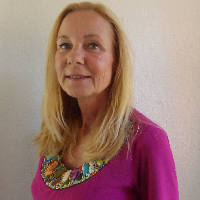
North Carolina · 30 yrs exp · 2 languages
Works with Relationship / Parenting / Anger +6
Works by Cognitive Behavioral Therapy (CBT) / Mindfulness Therapy
View Profile
Texas · 13 yrs exp
Works with Stress, Anxiety / Relationship / Trauma and abuse +12
Works by Attachment-Based Therapy / Client-Centered Therapy
View Profile
North Carolina · 21 yrs exp
Works with Stress, Anxiety / Grief / Eating +13
Works by Acceptance and Commitment Therapy (ACT) / Client-Centered Therapy
View Profile
New Jersey · 15 yrs exp
Works with Stress, Anxiety / Family / Trauma and abuse +11
Works by Cognitive Behavioral Therapy (CBT) / Psychodynamic Therapy
View Profile
New York · 24 yrs exp
Works with Stress, Anxiety / Relationship / Anger +13
Works by Client-Centered Therapy / Cognitive Behavioral Therapy (CBT)
View Profile
Oregon · 26 yrs exp
Works with Stress, Anxiety / Trauma and abuse / Grief +11
Works by Somatic Therapy / Acceptance and Commitment Therapy (ACT)
View Profile
South Carolina · 14 yrs exp
Works with Stress, Anxiety / Parenting / Depression +15
Works by Client-Centered Therapy / Solution-Focused Therapy
View Profile
Illinois · 30 yrs exp
Works with Trauma and abuse / Grief / Self esteem +15
Works by Client-Centered Therapy / Cognitive Behavioral Therapy (CBT)
View Profile
New York · 25 yrs exp · 2 languages
Works with Stress, Anxiety / Addictions / Trauma and abuse +12
Works by Client-Centered Therapy / Cognitive Behavioral Therapy (CBT)
View Profile
Texas · 6 yrs exp
Works with LGBT / Relationship / Family +7
Works by Acceptance and Commitment Therapy (ACT) / Attachment-Based Therapy
View Profile
Missouri · 16 yrs exp
Works with Stress, Anxiety / Trauma and abuse / Self esteem +13
Works by Client-Centered Therapy / Cognitive Behavioral Therapy (CBT)
View Profile
North Carolina · 10 yrs exp
Works with Stress, Anxiety / Relationship / Family +17
Works by Acceptance and Commitment Therapy (ACT) / Client-Centered Therapy
View Profile
Florida · 15 yrs exp
Works with Relationship / Family / Intimacy-related issues +5
View Profile
New York · 35 yrs exp
Works with Stress, Anxiety / Self esteem / Career +11
Works by Client-Centered Therapy / Mindfulness Therapy
View Profile
Kentucky · 10 yrs exp
Works with Stress, Anxiety / Family / Self esteem +13
Works by Acceptance and Commitment Therapy (ACT) / Client-Centered Therapy
View Profile
Mississippi · 23 yrs exp
Works with Stress, Anxiety / Grief / Anger +9
Works by Cognitive Behavioral Therapy (CBT) / Mindfulness Therapy
View Profile
New Jersey · 22 yrs exp
Works with Stress, Anxiety / LGBT / Relationship +11
Works by Acceptance and Commitment Therapy (ACT) / Attachment-Based Therapy
View Profile
Florida · 10 yrs exp
Works with Stress, Anxiety / Addictions / Family +9
Works by Client-Centered Therapy / Cognitive Behavioral Therapy (CBT)
View Profile
Texas · 21 yrs exp
Works with Stress, Anxiety / Relationship / Trauma and abuse +16
Works by Acceptance and Commitment Therapy (ACT) / Client-Centered Therapy
View Profile
Illinois · 12 yrs exp
Works with Stress, Anxiety / Trauma and abuse / Parenting +13
Works by Client-Centered Therapy / Cognitive Behavioral Therapy (CBT)
View Profile
Delaware · 8 yrs exp
Works with Relationship / Family / Trauma and abuse +12
View Profile
Florida · 22 yrs exp
Works with Stress, Anxiety / Self esteem / Depression +6
Works by Acceptance and Commitment Therapy (ACT) / Client-Centered Therapy
View Profile
Illinois · 25 yrs exp
Works with Stress, Anxiety / Self esteem / Career +11
Works by Client-Centered Therapy / Cognitive Behavioral Therapy (CBT)
View Profile
Florida · 30 yrs exp
Works with Stress, Anxiety / Relationship / Intimacy-related issues +9
Works by Client-Centered Therapy / Cognitive Behavioral Therapy (CBT)
View Profile
New Jersey · 8 yrs exp
Works with Stress, Anxiety / Relationship / Trauma and abuse +15
Works by Acceptance and Commitment Therapy (ACT) / Attachment-Based Therapy
View Profile
Louisiana · 14 yrs exp
Works with Stress, Anxiety / Anger / Self esteem +10
View Profile
Mississippi · 12 yrs exp
Works with Stress, Anxiety / Addictions / Anger +13
Works by Client-Centered Therapy / Cognitive Behavioral Therapy (CBT)
View Profile
Tennessee · 35 yrs exp
Works with Stress, Anxiety / Grief / Self esteem +9
Works by Acceptance and Commitment Therapy (ACT) / Client-Centered Therapy
View Profile
Virginia · 31 yrs exp
Works with Stress, Anxiety / Relationship / Family +13
Works by Attachment-Based Therapy / Client-Centered Therapy
View Profile
North Carolina · 30 yrs exp
Works with LGBT / Relationship / Family +14
Works by Acceptance and Commitment Therapy (ACT) / Attachment-Based Therapy
View Profile
Georgia · 25 yrs exp
Works with Stress, Anxiety / Parenting / Anger +16
Works by Attachment-Based Therapy / Client-Centered Therapy
View Profile
North Carolina · 30 yrs exp
Works with Stress, Anxiety / Relationship / Family +11
Works by Client-Centered Therapy / Cognitive Behavioral Therapy (CBT)
View Profile
Florida · 14 yrs exp
Works with Stress, Anxiety / Trauma and abuse / Grief +14
Works by Cognitive Behavioral Therapy (CBT) / Dialectical Behavior Therapy (DBT)
View Profile
Texas · 20 yrs exp
Works with Stress, Anxiety / Addictions / Family +16
Works by Client-Centered Therapy / Cognitive Behavioral Therapy (CBT)
View Profile
Pennsylvania · 38 yrs exp
Works with Stress, Anxiety / Grief / Depression +8
Works by Client-Centered Therapy / Cognitive Behavioral Therapy (CBT)
View Profile
Virginia · 47 yrs exp
Works with Stress, Anxiety / Relationship / Grief +11
Works by Somatic Therapy / Acceptance and Commitment Therapy (ACT)
View Profile
Florida · 25 yrs exp
Works with Stress, Anxiety / Trauma and abuse / Parenting +15
Works by Client-Centered Therapy / Cognitive Behavioral Therapy (CBT)
View Profile
Florida · 10 yrs exp
Works with Stress, Anxiety / Trauma and abuse / Grief +13
Works by Client-Centered Therapy / Cognitive Behavioral Therapy (CBT)
View Profile
Illinois · 20 yrs exp
Works with Stress, Anxiety / Grief / Self esteem +12
Works by Client-Centered Therapy / Cognitive Behavioral Therapy (CBT)
View Profile
Delaware · 28 yrs exp · 2 languages
Works with Stress, Anxiety / Family / Self esteem +12
Works by Acceptance and Commitment Therapy (ACT) / Client-Centered Therapy
View Profile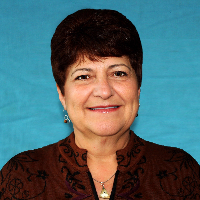
Alaska · 11 yrs exp
Works with Stress, Anxiety / Relationship / Family +10
Works by Client-Centered Therapy / Cognitive Behavioral Therapy (CBT)
View Profile
Arkansas · 44 yrs exp
Works with Stress, Anxiety / Trauma and abuse / Grief +17
Works by Acceptance and Commitment Therapy (ACT) / Client-Centered Therapy
View Profile
California · 20 yrs exp
Works with Stress, Anxiety / Relationship / Family +16
Works by Cognitive Behavioral Therapy (CBT) / Motivational Interviewing
View Profile
Missouri · 35 yrs exp
Works with Stress, Anxiety / Trauma and abuse / Anger +14
Works by Acceptance and Commitment Therapy (ACT) / Client-Centered Therapy
View Profile
North Carolina · 16 yrs exp
Works with Stress, Anxiety / Addictions / Trauma and abuse +14
Works by Acceptance and Commitment Therapy (ACT) / Client-Centered Therapy
View Profile
New Mexico · 20 yrs exp
Works with Stress, Anxiety / Self esteem / Bipolar +9
Works by Acceptance and Commitment Therapy (ACT) / Client-Centered Therapy
View Profile
Texas · 5 yrs exp
Works with Stress, Anxiety / Relationship / Family +10
View ProfileLife changes come in many forms - ending a relationship, changing careers, moving to a new city, becoming a caregiver, experiencing loss, or adjusting to parenthood. These events can influence not only your emotions but also daily routines, finances, work, housing, family roles, and social connections. Because of that ripple effect, many people find that the stress of transition is not just an internal experience but also a practical one that touches several parts of life at once.
When you engage with a Licensed Clinical Social Worker - an LCSW - you are working with someone whose training emphasizes the person-in-environment perspective. That means an LCSW typically considers how your circumstances - such as work demands, housing, finances, and community supports - interact with your feelings, thoughts, and relationships. This broader view can be especially useful during transitions, because the changes you face rarely fit neatly into only emotional or only practical categories. A practitioner who looks at both can help you make plans that attend to daily needs while also addressing your emotional responses.
You might decide to look for an LCSW when the adjustments you are facing feel overwhelming, persistent, or interfere with daily functioning. Common signs include ongoing difficulty sleeping or concentrating, increased irritability or emotional reactivity, withdrawal from friends or activities you once valued, or repeated worry about the future. You might also notice practical challenges piling up - missed bills, difficulty following through on job searches, strained family roles, or trouble navigating support systems - and feel unsure where to start.
Sometimes the signal that professional help could be useful is less dramatic - you may sense that you are stuck, repeating the same patterns, or unable to make decisions that feel right for you. Because LCSWs are trained to consider both emotional needs and practical context, they can be helpful if you want strategies for coping as well as assistance sorting through resources and systems that affect daily life. If the transition brings up grief, identity questions, or changes in relationships, working with an LCSW can offer a space to process those experiences and explore steps forward.
Early sessions with an LCSW typically involve a conversational assessment that covers your current concerns, significant life events, and the practical aspects of your situation. You can expect to talk about how the change is affecting your relationships, work, housing, finances, and access to supports. This helps the LCSW form a picture of your environment and how it intersects with your thoughts and feelings. Together you and the clinician may identify short-term goals - such as stabilizing a routine or managing acute stress - and longer-term goals like redefining roles or rebuilding social connections.
In ongoing sessions, work often combines practical planning with emotional processing. You may practice coping skills for anxiety or strong emotions, rehearse difficult conversations, or map out step-by-step actions for logistical tasks. Because LCSWs commonly attend to systems-level concerns, sessions may also include assistance in locating community resources, understanding benefit programs, or preparing documentation for services. Therapy for life transitions tends to be collaborative, with the pace, focus, and techniques adjusted to your needs as circumstances evolve.
While LCSW is a credential rather than a type of therapy, many LCSWs describe a range of clinical approaches in their profiles. You will find therapists who list cognitive behavioral approaches among their methods, which can help you identify and shift patterns of thinking that increase distress. Others list emotion-focused or psychodynamic approaches that prioritize understanding the meaning of transitions in your life story. Some LCSWs include interpersonal work that targets relationship patterns, while others list strengths-based or solution-focused orientations that emphasize practical steps and immediate problem solving.
It is important to read clinician profiles carefully because the directory records only what therapists list about their approaches. Saying a therapist lists a certain approach does not verify certification or the depth of training in that method. What matters most for coping with change is finding an LCSW whose combination of clinical focus and attention to life context feels useful to you. Many people appreciate clinicians who balance emotional processing with concrete strategies - for example, practicing stress management techniques in session and working through a plan for housing, employment, or caregiving responsibilities outside of it.
Online therapy often uses video, phone, or messaging formats so you can meet from a location that is convenient. Sessions operate much like in-person meetings in terms of conversational structure and goals - you and your LCSW will talk through concerns, set aims, and test out coping strategies. For people undergoing transitions, remote options can make it easier to maintain continuity of care when you move, travel, or have schedule constraints. Make sure you choose a time and environment where you can speak without interruption and focus on the conversation.
To get the most from online work, consider basic logistics such as a stable internet connection, a device with a camera and microphone if you are using video, and a place where you can be reasonably uninterrupted. If you intend to involve family members or other supports in some sessions, discuss how that will be arranged with the clinician. Because state licensing affects where an LCSW may practice, expect to see clinicians who indicate the states where they are licensed. That information helps clarify the regulatory context of care and the scope of practice that applies in your situation.
When choosing an LCSW, consider the credential and the clinician's stated focus areas. Profiles that list experience with life transitions, grief, career change, caregiving, or relocation can signal a focus that aligns with your needs. You can also look at languages spoken and relevant lived experience that a clinician shares in their profile. Because the LCSW license is issued and renewed by individual state boards and scope of practice varies, the profile should indicate licensure clearly so you understand the professional credential of each clinician.
Think about the balance you want between practical problem-solving and emotional processing. If you want hands-on assistance with community resources and systems navigation alongside therapy, an LCSW who emphasizes the person-in-environment perspective may be a good fit. If you prefer a particular clinical orientation, look for therapists who list those approaches among their methods, remembering that a listed approach indicates clinician preference rather than verified certification. Also consider logistical preferences such as session format and language, and whether the clinician describes experience with the specific type of transition you are facing.
Choosing a therapist is ultimately a personal decision. You may prioritize clear communication, mutual understanding, and the feeling that the clinician respects your context and goals. Many people find it helpful to review several profiles to compare focus areas, descriptions of experience, and approach language before deciding who to contact. The right match can make a meaningful difference in how you experience and move through a period of change, offering both emotional support and practical steps to rebuild stability.
Working with an LCSW can provide a combined focus on emotional coping and environmental factors that shape your day-to-day life. Whether you are navigating an expected transition or an unexpected upheaval, a clinician who views your situation through the person-in-environment lens can help you identify manageable next steps, strengthen coping resources, and clarify a path forward that fits your values and circumstances.
Alabama
26 therapists
Alaska
19 therapists
Arizona
115 therapists
Arkansas
68 therapists
California
989 therapists
Colorado
177 therapists
Connecticut
133 therapists
Delaware
42 therapists
District of Columbia
8 therapists
Florida
982 therapists
Georgia
268 therapists
Hawaii
39 therapists
Idaho
50 therapists
Illinois
450 therapists
Indiana
247 therapists
Iowa
9 therapists
Kansas
33 therapists
Kentucky
166 therapists
Louisiana
165 therapists
Maine
66 therapists
Maryland
29 therapists
Massachusetts
17 therapists
Michigan
43 therapists
Minnesota
16 therapists
Mississippi
86 therapists
Missouri
188 therapists
Montana
62 therapists
Nebraska
2 therapists
Nevada
71 therapists
New Hampshire
24 therapists
New Jersey
300 therapists
New Mexico
69 therapists
New York
659 therapists
North Carolina
441 therapists
North Dakota
12 therapists
Ohio
39 therapists
Oklahoma
87 therapists
Oregon
78 therapists
Pennsylvania
272 therapists
Rhode Island
4 therapists
South Carolina
45 therapists
South Dakota
2 therapists
Tennessee
134 therapists
Texas
617 therapists
Utah
121 therapists
Vermont
3 therapists
Virginia
232 therapists
Washington
20 therapists
West Virginia
9 therapists
Wisconsin
161 therapists
Wyoming
22 therapists