
Velma Jones, LCSW
New York · 29 yrs exp
Works with Stress, Anxiety / Relationship / Trauma and abuse +11
Works by Attachment-Based Therapy / Client-Centered Therapy
View ProfileThe therapist listings are provided by BetterHelp and we will earn a commission if you use our link - at no cost to you.
On this page you'll find licensed clinical social workers (LCSWs) who list codependency as a focus area. Each profile highlights professional credentials, focus areas, languages, and approaches to help you explore options.
Browse the therapist listings below to learn more about practitioners who work with codependency and related relationship issues.
New York · 29 yrs exp
Works with Stress, Anxiety / Relationship / Trauma and abuse +11
Works by Attachment-Based Therapy / Client-Centered Therapy
View Profile
Colorado · 19 yrs exp · 2 languages
Works with Stress, Anxiety / Relationship / Trauma and abuse +13
Works by Somatic Therapy / Acceptance and Commitment Therapy (ACT)
View Profile
Texas · 13 yrs exp
Works with Stress, Anxiety / Relationship / Trauma and abuse +12
Works by Attachment-Based Therapy / Client-Centered Therapy
View Profile
North Carolina · 21 yrs exp
Works with Stress, Anxiety / Grief / Eating +13
Works by Acceptance and Commitment Therapy (ACT) / Client-Centered Therapy
View Profile
Oregon · 26 yrs exp
Works with Stress, Anxiety / Trauma and abuse / Grief +11
Works by Somatic Therapy / Acceptance and Commitment Therapy (ACT)
View Profile
South Carolina · 14 yrs exp
Works with Stress, Anxiety / Parenting / Depression +15
Works by Client-Centered Therapy / Solution-Focused Therapy
View Profile
New York · 25 yrs exp · 2 languages
Works with Stress, Anxiety / Addictions / Trauma and abuse +12
Works by Client-Centered Therapy / Cognitive Behavioral Therapy (CBT)
View Profile
Texas · 6 yrs exp
Works with LGBT / Relationship / Family +7
Works by Acceptance and Commitment Therapy (ACT) / Attachment-Based Therapy
View Profile
North Carolina · 10 yrs exp
Works with Stress, Anxiety / Relationship / Family +17
Works by Acceptance and Commitment Therapy (ACT) / Client-Centered Therapy
View Profile
Florida · 15 yrs exp
Works with Relationship / Family / Intimacy-related issues +5
View Profile
Mississippi · 23 yrs exp
Works with Stress, Anxiety / Grief / Anger +9
Works by Cognitive Behavioral Therapy (CBT) / Mindfulness Therapy
View Profile
Florida · 10 yrs exp
Works with Stress, Anxiety / Addictions / Family +9
Works by Client-Centered Therapy / Cognitive Behavioral Therapy (CBT)
View Profile
Texas · 21 yrs exp
Works with Stress, Anxiety / Relationship / Trauma and abuse +16
Works by Acceptance and Commitment Therapy (ACT) / Client-Centered Therapy
View Profile
Florida · 30 yrs exp
Works with Stress, Anxiety / Relationship / Intimacy-related issues +9
Works by Client-Centered Therapy / Cognitive Behavioral Therapy (CBT)
View Profile
New Jersey · 8 yrs exp
Works with Stress, Anxiety / Relationship / Trauma and abuse +15
Works by Acceptance and Commitment Therapy (ACT) / Attachment-Based Therapy
View Profile
Mississippi · 12 yrs exp
Works with Stress, Anxiety / Addictions / Anger +13
Works by Client-Centered Therapy / Cognitive Behavioral Therapy (CBT)
View Profile
Tennessee · 35 yrs exp
Works with Stress, Anxiety / Grief / Self esteem +9
Works by Acceptance and Commitment Therapy (ACT) / Client-Centered Therapy
View Profile
Virginia · 31 yrs exp
Works with Stress, Anxiety / Relationship / Family +13
Works by Attachment-Based Therapy / Client-Centered Therapy
View Profile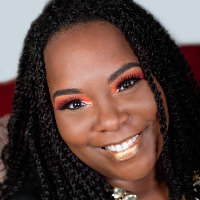
North Carolina · 30 yrs exp
Works with LGBT / Relationship / Family +14
Works by Acceptance and Commitment Therapy (ACT) / Attachment-Based Therapy
View Profile
Georgia · 25 yrs exp
Works with Stress, Anxiety / Parenting / Anger +16
Works by Attachment-Based Therapy / Client-Centered Therapy
View Profile
Florida · 14 yrs exp
Works with Stress, Anxiety / Trauma and abuse / Grief +14
Works by Cognitive Behavioral Therapy (CBT) / Dialectical Behavior Therapy (DBT)
View Profile
Texas · 20 yrs exp
Works with Stress, Anxiety / Addictions / Family +16
Works by Client-Centered Therapy / Cognitive Behavioral Therapy (CBT)
View Profile
Michigan · 24 yrs exp
Works with Stress, Anxiety / Addictions / Relationship +2
Works by Client-Centered Therapy / Cognitive Behavioral Therapy (CBT)
View Profile
Delaware · 28 yrs exp · 2 languages
Works with Stress, Anxiety / Family / Self esteem +12
Works by Acceptance and Commitment Therapy (ACT) / Client-Centered Therapy
View Profile
Arkansas · 44 yrs exp
Works with Stress, Anxiety / Trauma and abuse / Grief +17
Works by Acceptance and Commitment Therapy (ACT) / Client-Centered Therapy
View Profile
Missouri · 35 yrs exp
Works with Stress, Anxiety / Trauma and abuse / Anger +14
Works by Acceptance and Commitment Therapy (ACT) / Client-Centered Therapy
View Profile
Mississippi · 36 yrs exp
Works with Family / Parenting / Anger +12
Works by Acceptance and Commitment Therapy (ACT) / Attachment-Based Therapy
View Profile
Florida · 28 yrs exp · 3 languages
Works with Stress, Anxiety / Addictions / Trauma and abuse +14
Works by Acceptance and Commitment Therapy (ACT) / Attachment-Based Therapy
View Profile
Missouri · 25 yrs exp
Works with Stress, Anxiety / Addictions / Parenting +13
Works by Client-Centered Therapy / Cognitive Behavioral Therapy (CBT)
View Profile
California · 7 yrs exp
Works with Stress, Anxiety / LGBT / Trauma and abuse +2
View Profile
Colorado · 15 yrs exp
Works with Stress, Anxiety / Grief / Depression +11
Works by Acceptance and Commitment Therapy (ACT) / Client-Centered Therapy
View Profile
Wyoming · 14 yrs exp
Works with Addictions / Relationship / Depression +12
Works by Client-Centered Therapy / Cognitive Behavioral Therapy (CBT)
View Profile
Texas · 6 yrs exp
Works with Addictions / Trauma and abuse / Parenting +7
Works by Acceptance and Commitment Therapy (ACT) / Client-Centered Therapy
View Profile
New York · 25 yrs exp · 2 languages
Works with Stress, Anxiety / Grief / Anger +7
Works by Client-Centered Therapy / Cognitive Behavioral Therapy (CBT)
View Profile
Connecticut · 24 yrs exp
Works with Stress, Anxiety / Relationship / Grief +12
Works by Client-Centered Therapy / Cognitive Behavioral Therapy (CBT)
View Profile
Kentucky · 9 yrs exp
Works with Addictions / Relationship / Parenting +13
Works by Acceptance and Commitment Therapy (ACT) / Attachment-Based Therapy
View Profile
Texas · 35 yrs exp
Works with Stress, Anxiety / Relationship / Family +15
Works by Attachment-Based Therapy / Client-Centered Therapy
View Profile
North Dakota · 10 yrs exp
Works with Stress, Anxiety / Relationship / Family +11
Works by Somatic Therapy / Acceptance and Commitment Therapy (ACT)
View Profile
New York · 25 yrs exp
Works with Stress, Anxiety / Relationship / Family +16
Works by Acceptance and Commitment Therapy (ACT) / Client-Centered Therapy
View Profile
Kentucky · 15 yrs exp
Works with Stress, Anxiety / Relationship / Parenting +14
Works by Acceptance and Commitment Therapy (ACT) / Attachment-Based Therapy
View Profile
Florida · 23 yrs exp
Works with Stress, Anxiety / Addictions / LGBT +12
Works by Acceptance and Commitment Therapy (ACT) / Client-Centered Therapy
View Profile
Florida · 20 yrs exp
Works with Stress, Anxiety / Relationship / Family +17
Works by Acceptance and Commitment Therapy (ACT) / Attachment-Based Therapy
View Profile
Montana · 20 yrs exp
Works with Stress, Anxiety / Addictions / Relationship +12
Works by Acceptance and Commitment Therapy (ACT) / Attachment-Based Therapy
View Profile
Utah · 30 yrs exp
Works with Stress, Anxiety / Trauma and abuse / Grief +2
View Profile
Connecticut · 16 yrs exp
Works with Stress, Anxiety / Addictions / Family +15
Works by Cognitive Behavioral Therapy (CBT) / Dialectical Behavior Therapy (DBT)
View Profile
Florida · 5 yrs exp
Works with Addictions / Relationship / Self esteem +14
Works by Acceptance and Commitment Therapy (ACT) / Attachment-Based Therapy
View Profile
Colorado · 23 yrs exp
Works with Stress, Anxiety / Family / Trauma and abuse +10
Works by Psychodynamic Therapy
View Profile
Arizona · 40 yrs exp
Works with Stress, Anxiety / LGBT / Relationship +11
Works by Client-Centered Therapy / Cognitive Behavioral Therapy (CBT)
View ProfileCodependency is a pattern of relating that often centers on difficulty setting boundaries, prioritizing another person’s needs over your own, and tying your sense of self-worth to responsiveness or caretaking. It can develop in many contexts - in families where caregiving roles were fixed, in relationships with substance use or chronic illness, or in repeated dynamics where emotional support was conditional. When you experience codependent patterns, you may find that your decisions are shaped more by worry about others than by your own priorities, or that you constantly try to fix or manage someone else’s emotions at the expense of your own needs.
Because social work training emphasizes a person-in-environment perspective, an LCSW brings attention to the wider circumstances that influence codependent behavior. That means you and an LCSW can look at housing, work, family roles, financial pressures, and community supports alongside internal patterns and feelings. You will be working with a licensed clinician whose credential reflects graduate-level social work education, a supervised post-graduate clinical experience period, and passage of a clinical licensing examination. The state board issues and renews the license, and scope of practice and titles may vary by state.
You might wonder whether your relationships are healthy or whether patterns you have are part of codependency. Common signals include chronic people-pleasing that leaves you resentful, frequent anxiety about how others will react to your choices, or a pattern of rescuing others while avoiding your own needs. You may find it hard to say no, to end unhealthy relationships, or to tolerate another person’s discomfort without jumping in to fix things. Sometimes codependency appears as repeated cycles of staying in relationships that cause burnout, or as identity loss when a role - for example, caregiver - becomes the dominant way you understand yourself.
These signs do not constitute a medical diagnosis, but they can make daily life and relationships more stressful. Seeking help with these patterns can be helpful if you want to build clearer boundaries, increase self-direction, or restore a sense of autonomy without abandoning care for people you love. An LCSW can help you explore how social and environmental factors shape those patterns, and how practical changes alongside emotional work can support lasting shifts.
When you begin work with an LCSW on codependency, early sessions usually focus on building rapport and mapping the patterns you want to change. You and the LCSW will explore your relationship history, current stressors, and the situations where codependent behaviors arise. Sessions may include discussion of concrete events as well as attention to feelings, beliefs, and the roles you occupy in family, work, and community. Because LCSWs are trained in assessment and clinical case formulation, they often integrate attention to your social context - such as caregiving responsibilities, housing, employment, or access to services - into the plan for change.
Over time, sessions may move toward skill-building: practicing boundary-setting, learning communication approaches that assert your needs, or developing strategies to regulate emotions when you feel compelled to overfunction for others. You can expect a mix of reflective conversation and practical tasks. The pace and focus will be shaped by your goals, whether you want to leave a relationship, renegotiate roles within a family, or reduce anxiety about others’ reactions.
Because codependency often co-occurs with trauma, substance use in a partner, or complicated family dynamics, an LCSW will typically consider safety and practical supports alongside therapeutic goals. That might involve connecting you with community resources, advocacy, or referrals for specialized services if needed. LCSWs are trained to consider how systems - such as healthcare, legal, or social services - intersect with individual experiences, and they can help you navigate those systems while you work on interpersonal change.
There is no single method that defines work on codependency, and different practitioners emphasize different pathways to change. Some approaches focus on thought patterns and behavioral experiments, while others emphasize attachment history and emotion processing. It is accurate to say that you will find therapists who list cognitive behavioral therapy approaches, family systems perspectives, attachment-focused work, trauma-informed care, or mindfulness-based strategies among their methods. Therapists may also describe the use of skills-based models such as dialectical behavior therapy for emotion regulation, or narrative-oriented work to examine identity and roles. Because the directory records approaches that therapists list, it is useful to look at profiles to see which methods a clinician mentions and to consider whether those align with your goals.
If you prefer approaches that integrate social context and practical problem-solving, an LCSW’s background in social work education and supervised clinical practice may be especially relevant. That perspective tends to blend attention to relationships and internal dynamics with solutions that take your environment into account - for example, adjusting caregiving arrangements, addressing workplace stressors, or linking you with community supports while you address relational patterns in sessions.
Online sessions with an LCSW generally use video, phone, or text-based messaging to create a therapeutic conversation across distance. Many people find that connecting from home or another familiar place makes it easier to schedule sessions around work or caregiving commitments. When you pursue online sessions, think about choosing a place where you can speak without interruption and where you feel comfortable exploring relationship material. You should also consider whether the technology platform supports the media you prefer, whether video or audio-only feels better, and how messaging - if offered - fits into the rhythm of care you want.
Licensing matters for online work. Because LCSW is a state-issued license, regulations about providing clinical care across state lines vary. That means the practitioner’s license and the state rules will determine whether an LCSW can offer remote therapy to you if you are physically located in a different state. If you plan to use online sessions across state lines, you will want to confirm licensure regulations as part of your search. In addition, online work still benefits from clear agreements about session length, fees, cancellation policies, and privacy protections. Discussing these logistics early can help you focus on the therapeutic work rather than administrative surprises.
Finding a good match with an LCSW involves more than credential verification. Start by looking at therapist profiles for focus areas and descriptions that mention codependency, relationship patterns, family roles, or caregiving concerns. Read how each clinician describes their approach and whether they mention attention to social-context issues such as housing, work, or community resources. Consider language preferences and cultural competence if those are important for you, and note whether a clinician highlights experience working with trauma, relationship conflict, or addiction-related dynamics, since these often overlap with codependent patterns.
When you contact a clinician, think about asking how they conceptualize codependency, what a typical initial session focuses on, and how they measure progress. It is reasonable to ask about the clinician’s experience with similar concerns and how they integrate practical supports with emotional work. You can also consider logistics such as session format - in-person or online - and payment methods or insurance participation. A good fit often includes alignment on therapeutic goals, clarity about how you will work together, and a sense that the clinician understands both relational patterns and the social factors that shape your life.
Remember that LCSWs bring a distinctive person-in-environment lens that can be particularly useful when codependency is intertwined with caregiving roles, housing instability, workplace stress, or limited community resources. That integrated view can help you make changes that are realistic and sustainable, not only by shifting internal patterns but by adjusting the external conditions that keep those patterns in place. Taking time to review profiles and read descriptions can help you identify clinicians whose focus, approach, and experience match the kind of support you want as you work on codependency.
Alabama
26 therapists
Alaska
19 therapists
Arizona
115 therapists
Arkansas
68 therapists
California
989 therapists
Colorado
177 therapists
Connecticut
133 therapists
Delaware
42 therapists
District of Columbia
8 therapists
Florida
982 therapists
Georgia
268 therapists
Hawaii
39 therapists
Idaho
50 therapists
Illinois
450 therapists
Indiana
247 therapists
Iowa
9 therapists
Kansas
33 therapists
Kentucky
166 therapists
Louisiana
165 therapists
Maine
66 therapists
Maryland
29 therapists
Massachusetts
17 therapists
Michigan
43 therapists
Minnesota
16 therapists
Mississippi
86 therapists
Missouri
188 therapists
Montana
62 therapists
Nebraska
2 therapists
Nevada
71 therapists
New Hampshire
24 therapists
New Jersey
300 therapists
New Mexico
69 therapists
New York
659 therapists
North Carolina
441 therapists
North Dakota
12 therapists
Ohio
39 therapists
Oklahoma
87 therapists
Oregon
78 therapists
Pennsylvania
272 therapists
Rhode Island
4 therapists
South Carolina
45 therapists
South Dakota
2 therapists
Tennessee
134 therapists
Texas
617 therapists
Utah
121 therapists
Vermont
3 therapists
Virginia
232 therapists
Washington
20 therapists
West Virginia
9 therapists
Wisconsin
161 therapists
Wyoming
22 therapists